The Thirteenth Guest (1932)
“Death saved her a seat.”
Streamed free from the Internet Archive · no signup, no cost — this film is in the public domain.
Synopsis
A snappy pre-Code mystery-thriller built on a macabre hook: a long-ago banquet seated only twelve of thirteen guests, and now someone is killing off the survivors and arranging their corpses at the original table. Ginger Rogers, two years before her RKO musical stardom, plays the imperiled heiress at the center of the inheritance plot. Detectives, electrified booby traps, and a hooded killer fill out a tight whodunit. It blends parlor-mystery deduction with genuine horror atmosphere.
Cast
About the Director
Albert Ray — Albert Ray directed this and the closely related "A Shriek in the Night" (1933), both Ginger Rogers mystery vehicles for producer M.H. Hoffman. Ray keeps the runtime brisk and the reveals frequent, leaning on the gimmick of corpses returned to their banquet seats. He came up through silent shorts and specialized in efficient, plot-forward programmers.
Why It’s Free: The Public-Domain Story
Released August 9, 1932 by Monogram Pictures, the film's US copyright was not renewed at the end of its initial 28-year term, so it entered the public domain in 1960. Like most early-1930s Monogram product, it has been a public-domain staple for decades.
Behind the Scenes
Adapted from Armitage Trail's 1929 novel (Trail also wrote "Scarface"), the story was filmed again by Monogram in 1943 as "Mystery of the 13th Guest." It was released in the UK as "Lady Beware." The film was a box-office success on its tiny budget. It captures Ginger Rogers in the lean Depression-era years just before "Flying Down to Rio" (1933) launched her partnership with Fred Astaire.
Did You Know?
- Ginger Rogers made the film two years before her star-making teaming with Fred Astaire at RKO.
- The source novel was written by Armitage Trail, the same author whose "Scarface" became the 1932 Howard Hawks gangster film.
- Monogram remade its own story in 1943 as "Mystery of the 13th Guest."
- "Variety" praised the picture as "vastly superior" and "a positive money maker."
Reception & Legacy
"Variety" called it a clear cut above typical poverty-row fare, and it earned solid reviews and box office in 1932. Modern audiences single out the inventive central gimmick and Rogers's appeal, while griping about the obligatory comic-relief dim-witted cop. It remains one of the more watchable Monogram mysteries of the era.
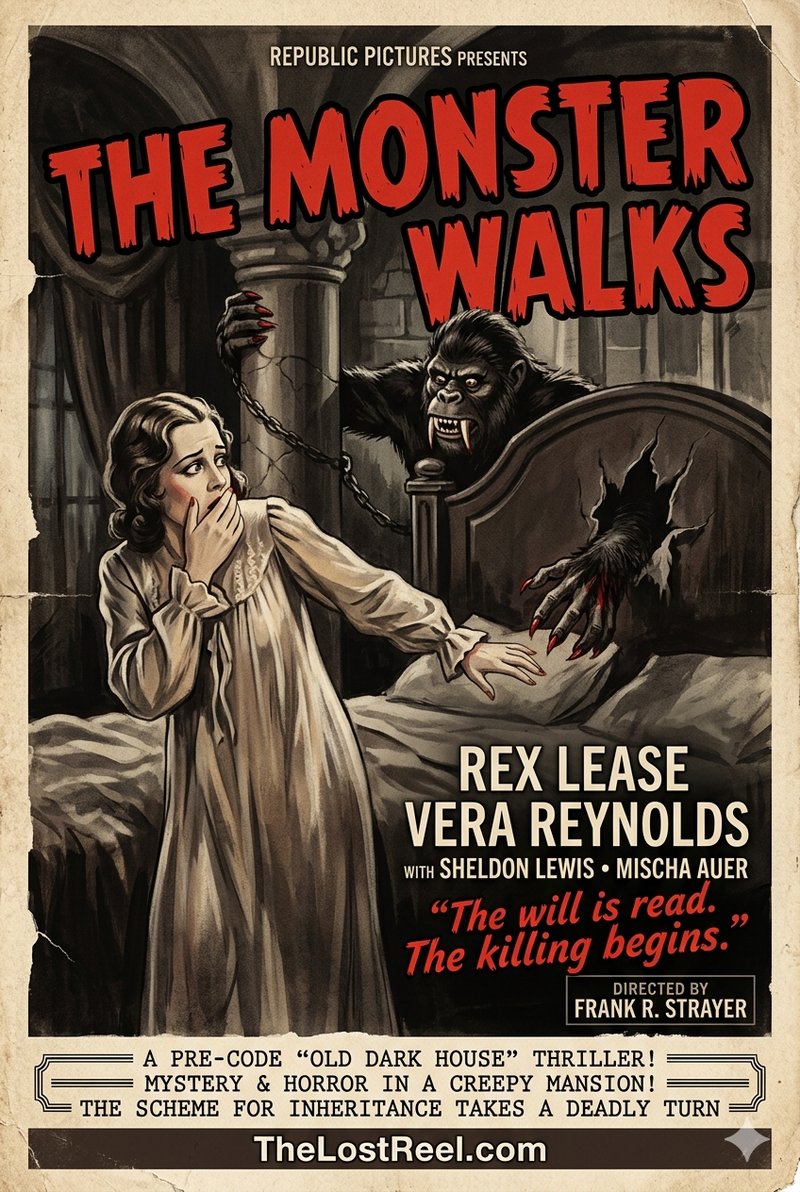 The Monster Walks
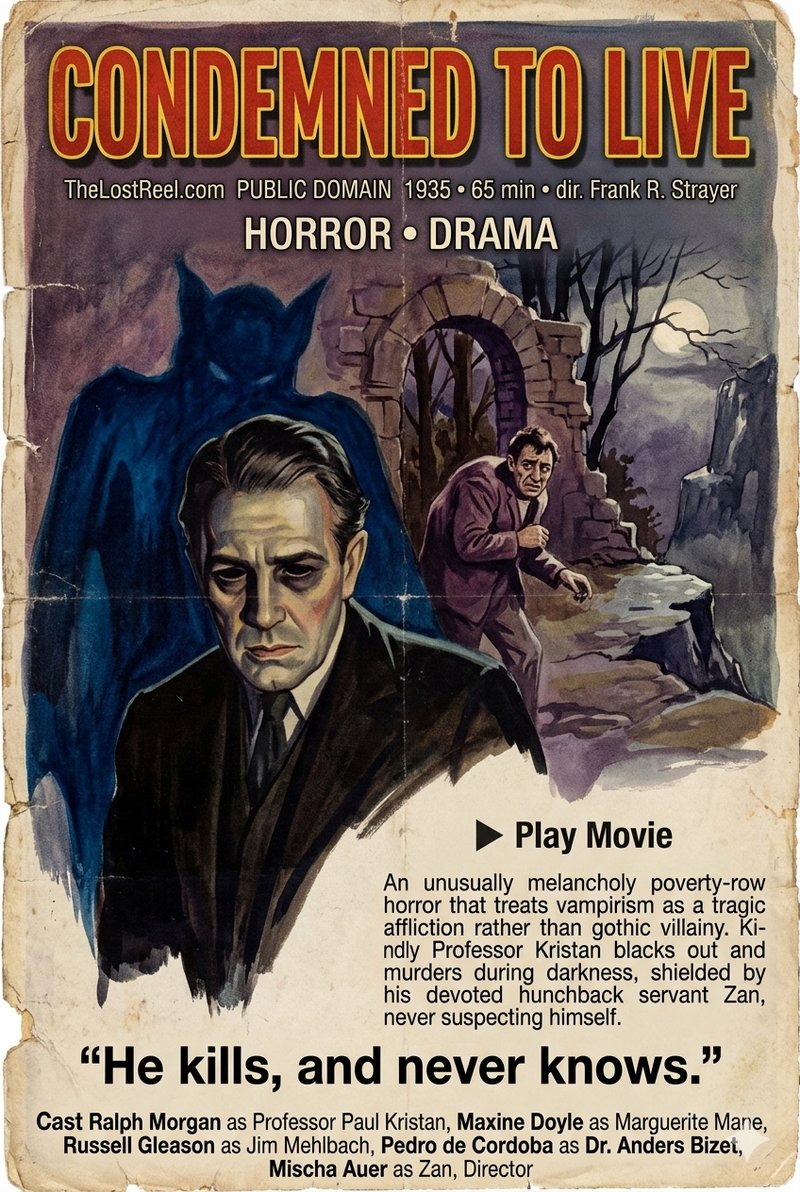 Condemned to Live
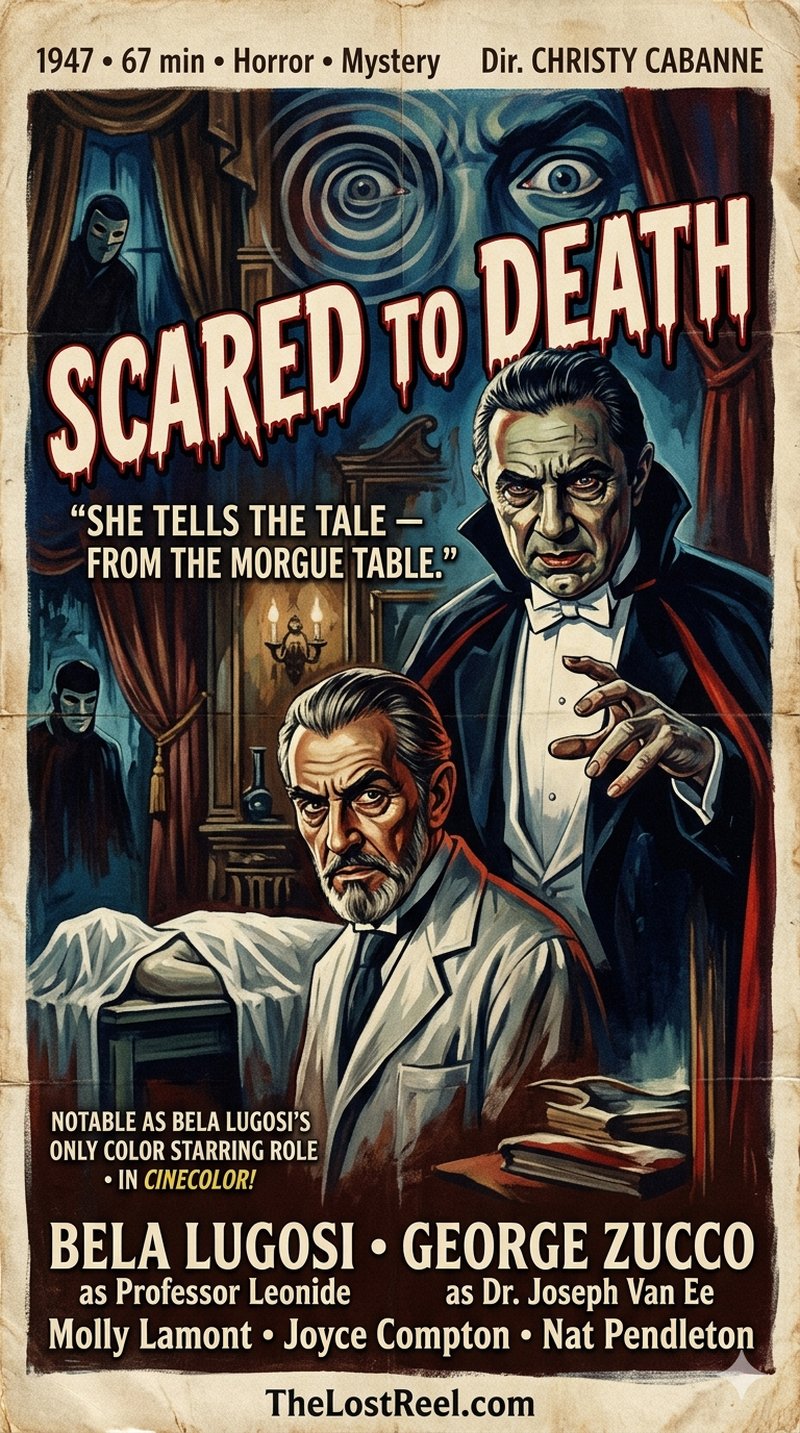 Scared to Death
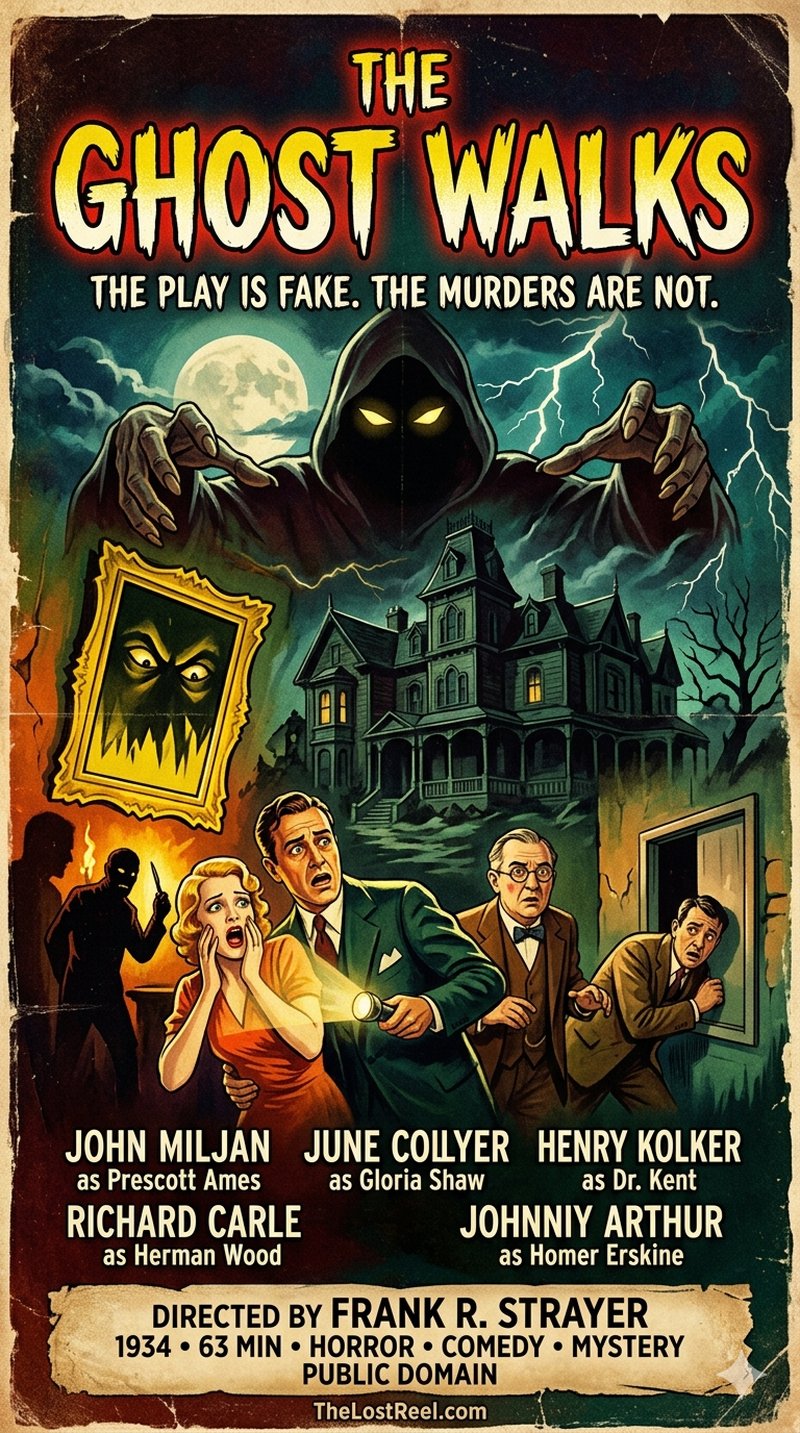 The Ghost Walks