The Monster Walks (1932)
“The will is read. The killing begins.”
Streamed free from the Internet Archive · no signup, no cost — this film is in the public domain.
Synopsis
A textbook pre-Code "old dark house" thriller: Ruth Earlton returns to her late father's isolated estate and finds a chained ape in the cellar and a scheme to murder her for the inheritance. A clutching hairy hand reaches through the headboard, the wrong victim dies, and family secrets unspool. At a brisk hour, it trades on storm-lashed atmosphere, sliding panels, and a parade of suspects. It is creaky but earnest early-talkie horror, the kind of poverty-row chiller that defined the genre's first sound decade.
Cast
About the Director
Frank R. Strayer — Frank R. Strayer was one of poverty row's most prolific horror hands, later helming "The Vampire Bat" (1933), "The Ghost Walks" (1934), and "Condemned to Live" (1935). He shoots the single-mansion setting for maximum shadow and confinement on a shoestring budget. Strayer would soon pivot to comedy, directing many entries in Columbia's "Blondie" series.
Why It’s Free: The Public-Domain Story
Released February 7, 1932 by Mayfair Pictures, the film's copyright was never renewed, so it lapsed into the public domain in the United States in 1960 (28 years after registration). The film's copyright has lapsed, placing it firmly in the public domain.
Behind the Scenes
Produced by Action Pictures and distributed by Mayfair, it was re-released in 1938 by Astor Pictures and again in 1948 by Commonwealth Pictures. The film recycles the stagey conventions of the silent-era stage thriller into an early talkie. Mischa Auer, here a sinister heavy, would later reinvent himself as an Oscar-nominated comic character actor. It has circulated freely on budget home video for decades.
Did You Know?
- The picture reuses the "old dark house / will reading" template that "The Cat and the Canary" (1927) had made a horror staple.
- Mischa Auer, cast as a menacing villain here, earned a Best Supporting Actor Oscar nomination four years later for the comedy "My Man Godfrey" (1936).
- Willie Best, billed under the stage name "Sleep 'n' Eat," appears as comic relief in one of his earliest screen roles.
- The entire film unfolds across a single stormy night in one mansion, a budget-driven constraint typical of poverty-row horror.
Reception & Legacy
Contemporary and modern reviewers regard it as a minor, derivative entry in the old-dark-house cycle, hampered by stiff early-talkie acting. Viewers note its primitive over-enunciated delivery and a too-early reveal of the killer. It survives mainly as an atmospheric curiosity and a snapshot of where sound-era horror began.
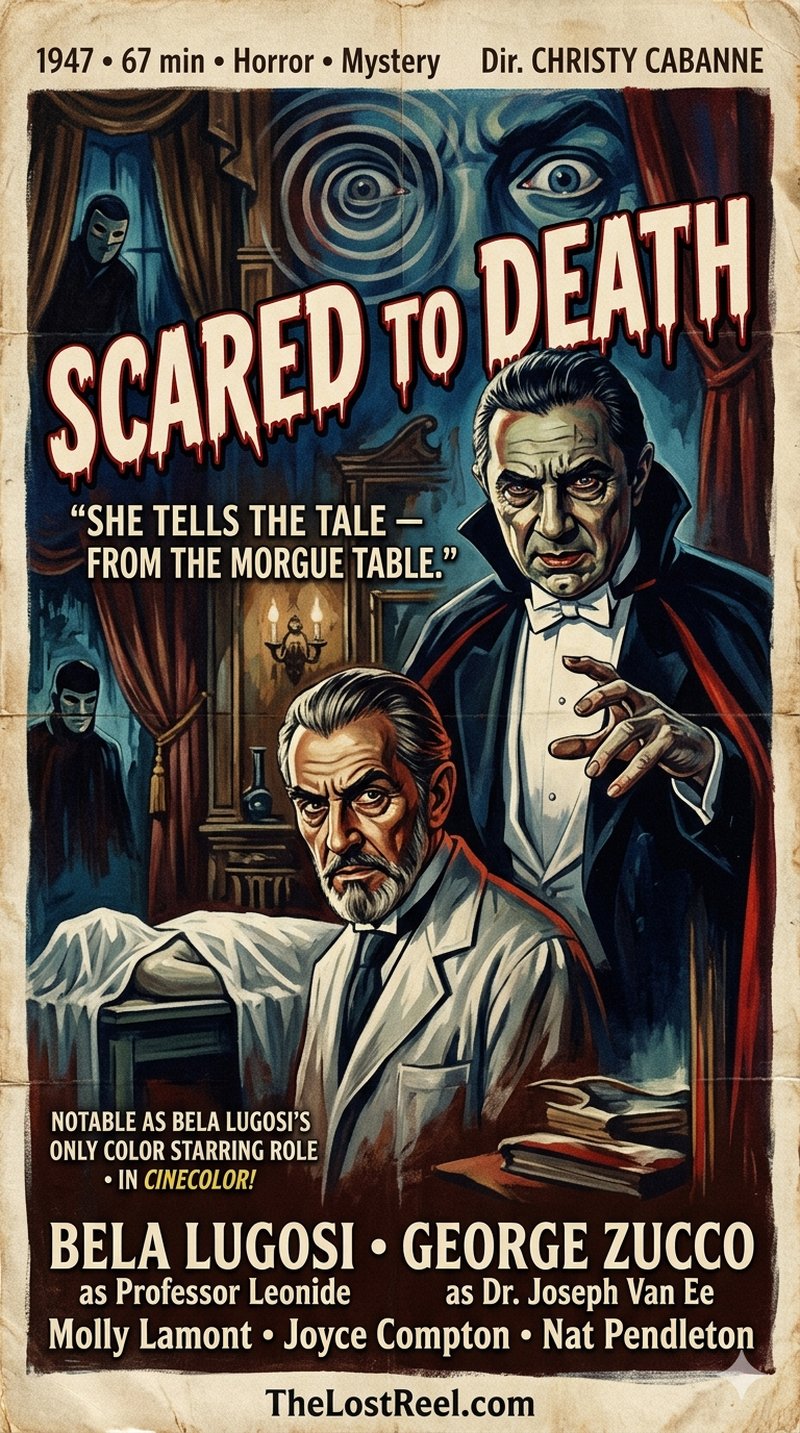 Scared to Death
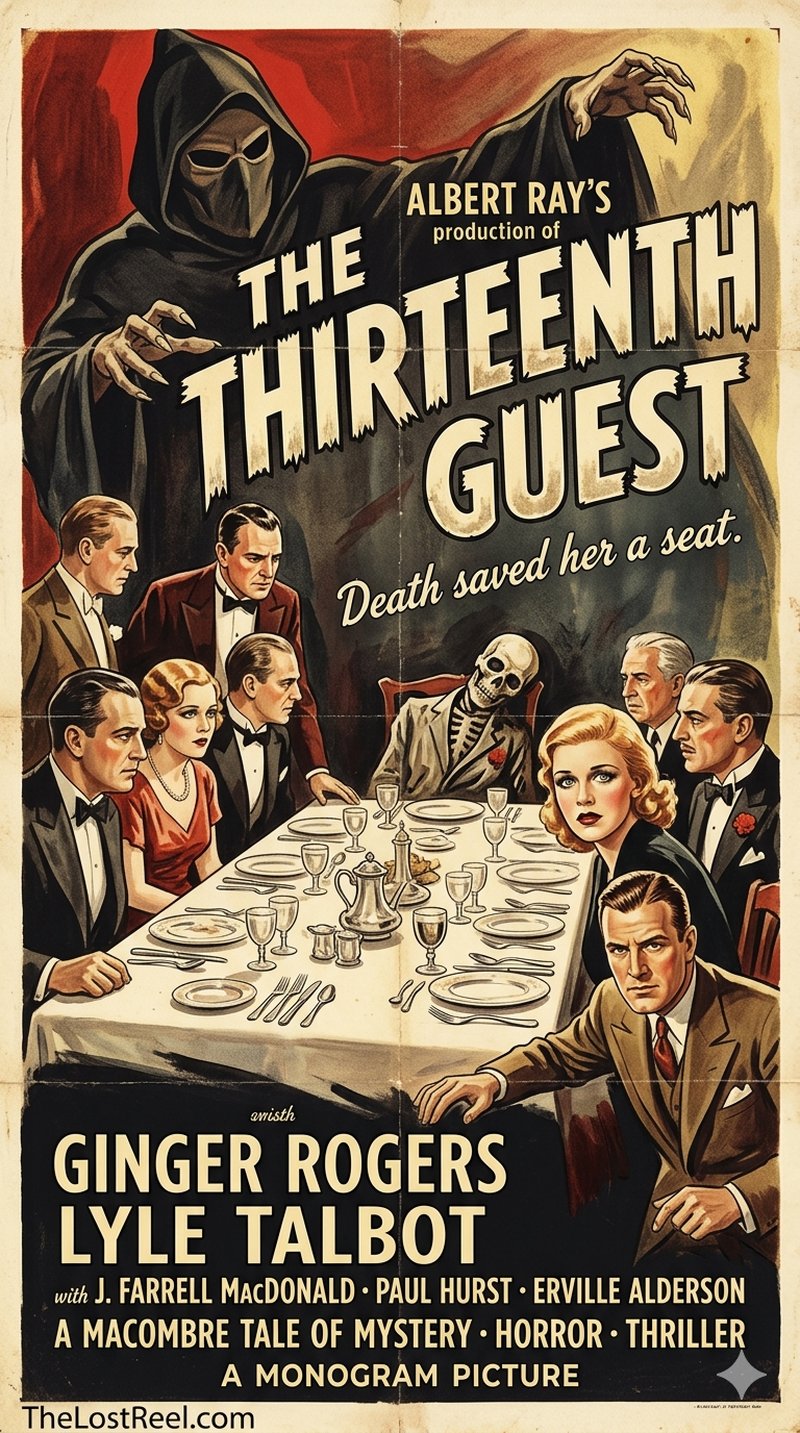 The Thirteenth Guest
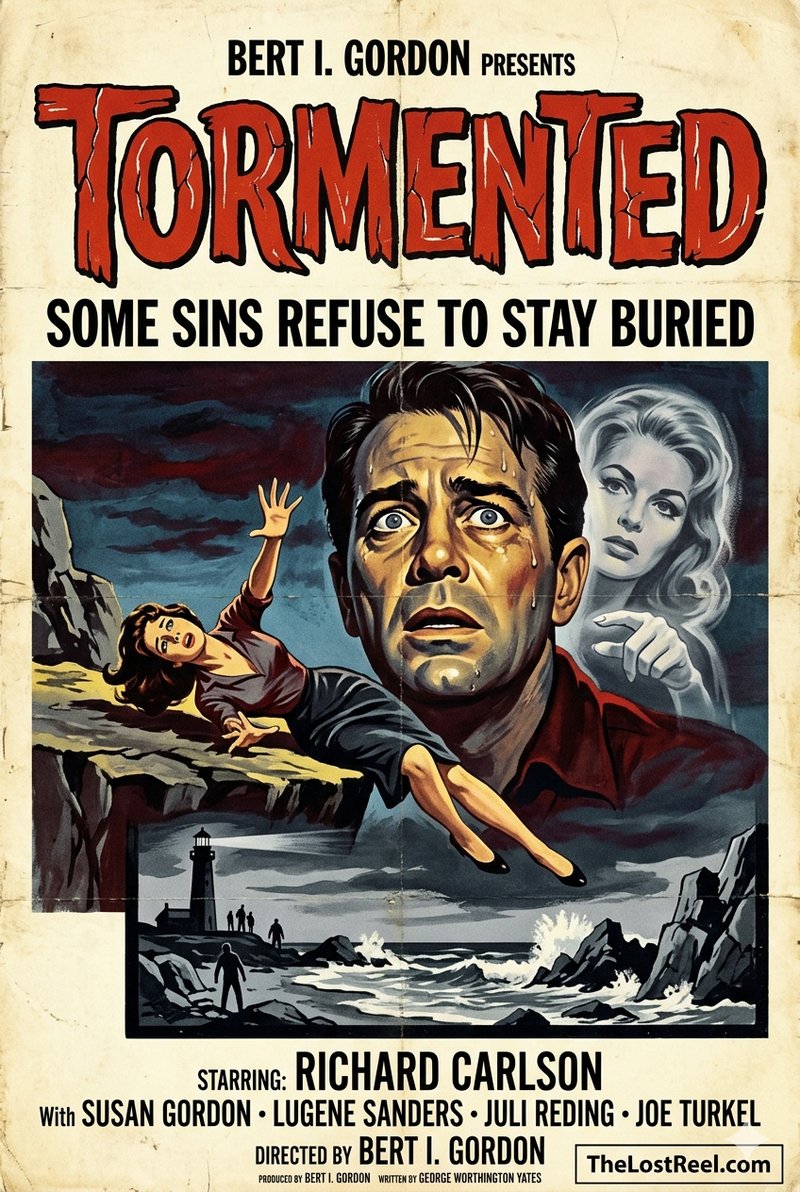 Tormented
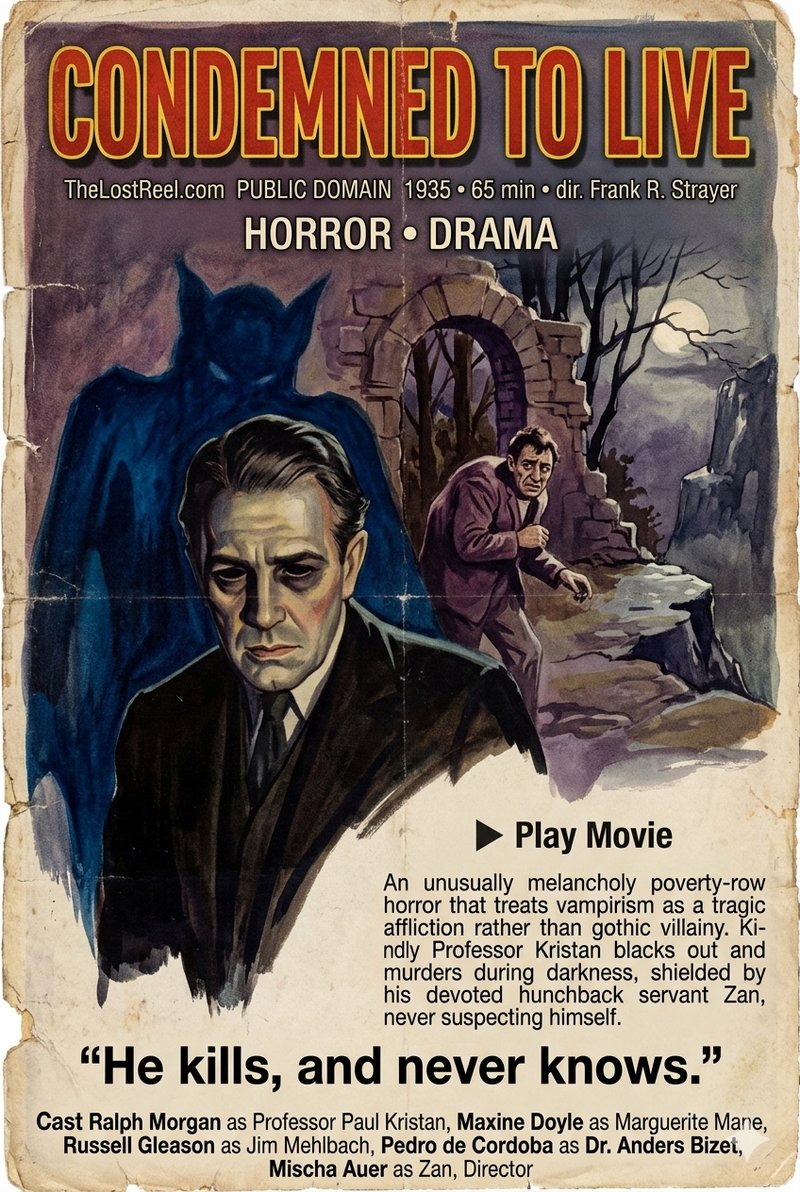 Condemned to Live