The Cabinet of Dr. Caligari (1920)
“You will not believe your eyes — and you may not trust your mind.”
Streamed free from the Internet Archive · no signup, no cost — this film is in the public domain.
Synopsis
A young man named Francis recounts how a sinister showman, Dr. Caligari, arrives at a town fair with a sideshow attraction: Cesare, a somnambulist who has slept for years and who, when awakened, can foretell the future. After Cesare predicts that Francis's friend Alan will die before dawn — a prophecy that comes true — Francis sets out to expose the doctor as a murderer who uses the entranced Cesare to kill. His investigation leads to an asylum and a twist that turns everything he has told us on its head, all rendered in a warped, dreamlike visual world.
Cast
About the Director
Robert Wiene — Robert Wiene was a German filmmaker who became one of the defining directors of the silent era through this single landmark. He shaped its hallmark anti-realistic look — painted shadows, leaning buildings, jagged distorted sets — turning a low-budget production into the quintessential statement of German Expressionist cinema, and it remains the work for which he is overwhelmingly remembered.
Why It’s Free: The Public-Domain Story
'The Cabinet of Dr. Caligari' is in the public domain because of its age: first published in 1920, its copyright term has long since expired, placing it firmly outside copyright protection. Films of this vintage are freely available to copy, distribute, and stream.
Behind the Scenes
The screenplay was written by pacifists Hans Janowitz and Carl Mayer in the winter of 1918–19, drawing on their distrust of authority after World War I; the psychiatrist who examined Mayer reportedly inspired the Caligari character. Producer Erich Pommer of Decla-Film bought the script, drawn to its inexpensive production potential and macabre tone, and designer Hermann Warm and his collaborators created the radical painted sets. It premiered in Germany on February 26, 1920, and rapidly became an international sensation.
Did You Know?
- Critic Roger Ebert called it "the first true horror film."
- The film's distorted shadows and shafts of light were not lighting effects — they were painted directly onto the sets.
- Cesare was inspired in part by a Berlin sideshow titled "Man or Machine?", in which a hypnotized man performed feats of strength.
- Caligari's appearance was modeled on portraits of the philosopher Arthur Schopenhauer.
Reception & Legacy
Hailed as one of cinema's earliest "art" films, Caligari helped establish film as a serious art form and cemented horror as a viable genre. Its expressive style and dreamlike imagery influenced American horror of the 1930s and filmmakers from Hitchcock to Tim Burton and Guillermo del Toro — and more than a century on, it is regarded as one of the most important and influential films ever made.
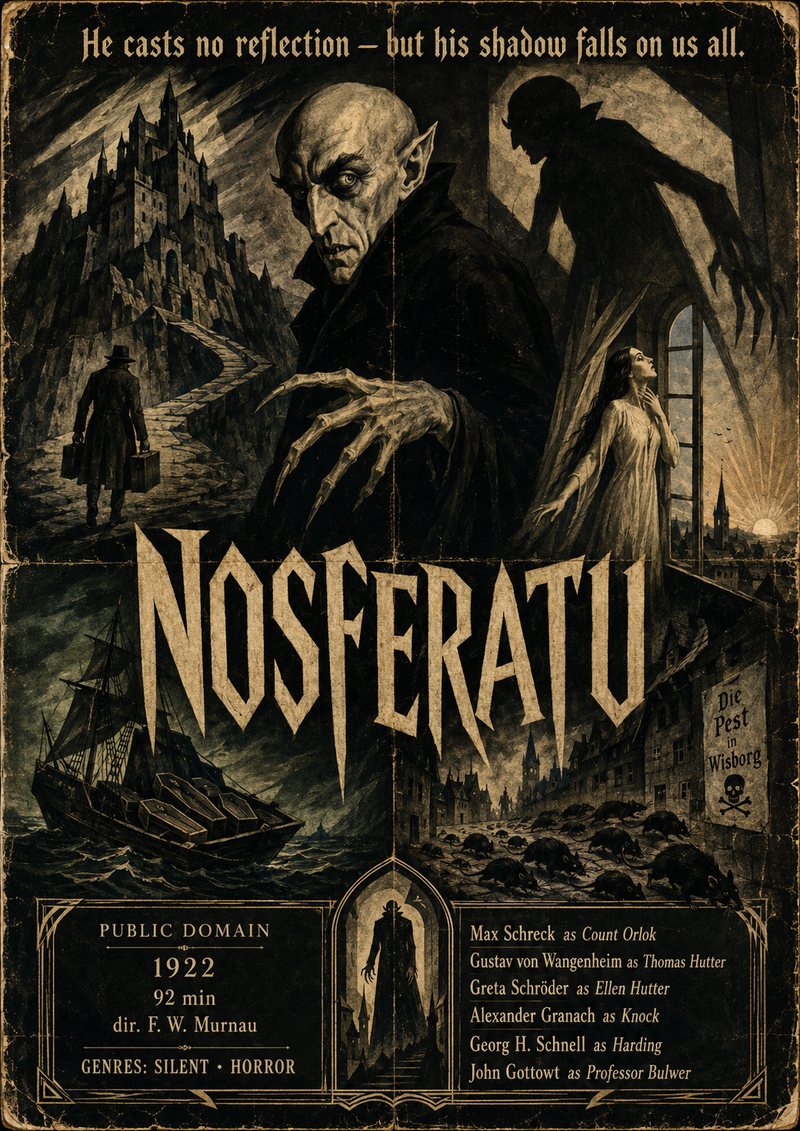 Nosferatu
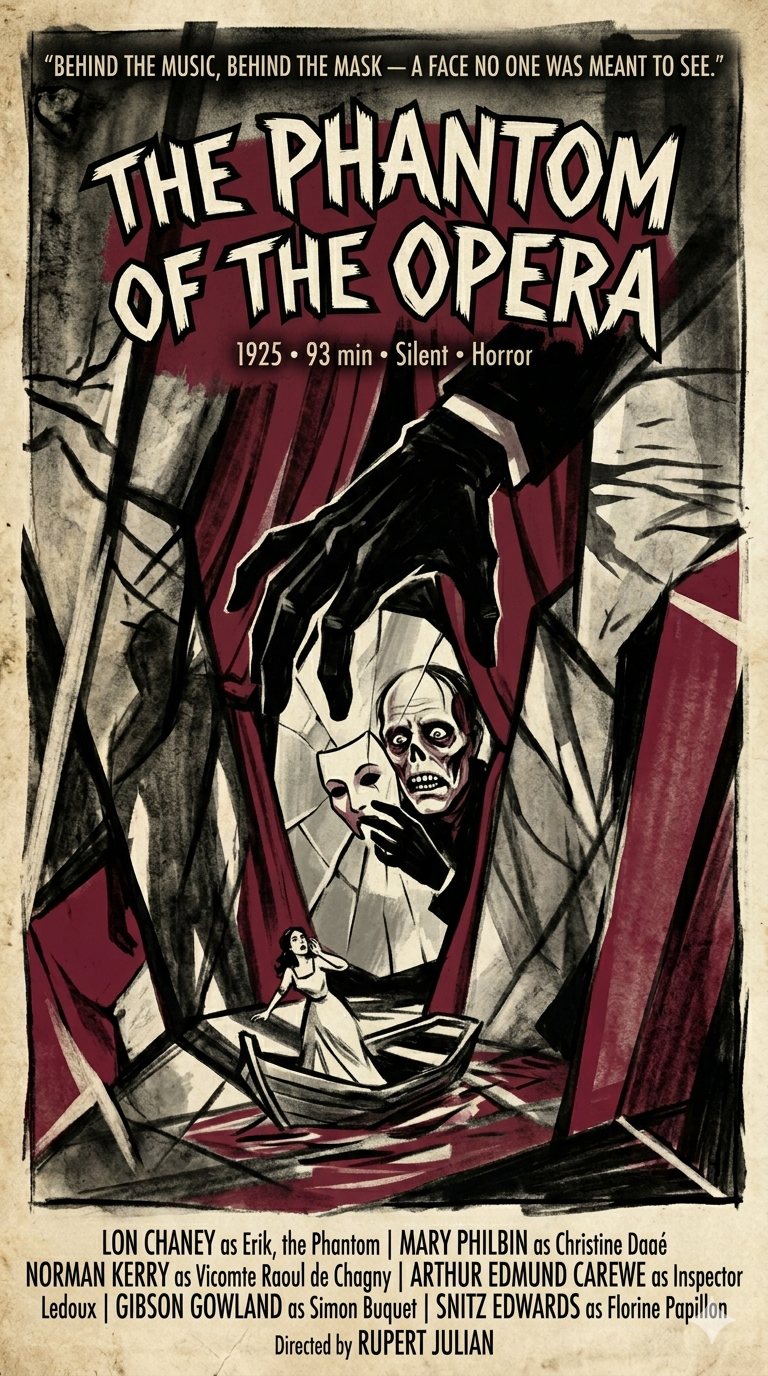 The Phantom of the Opera
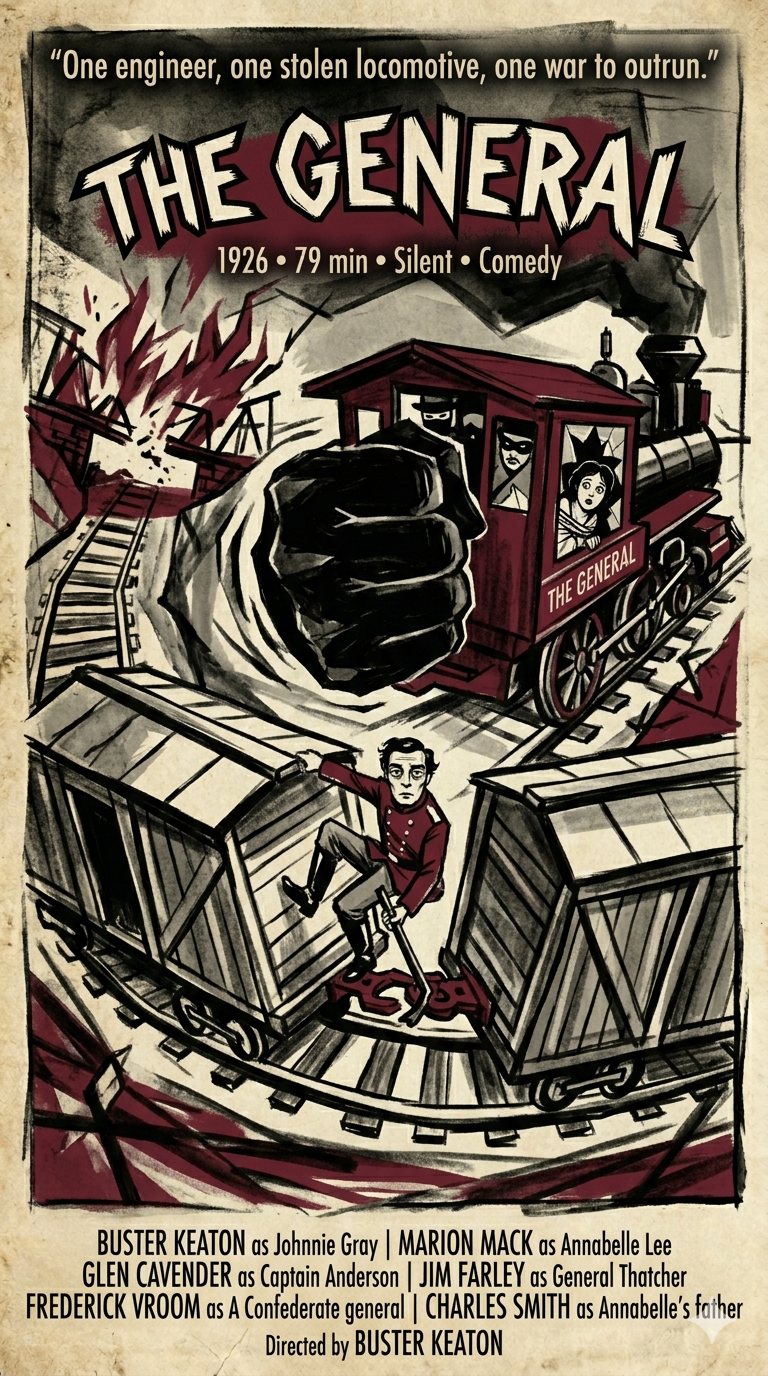 The General
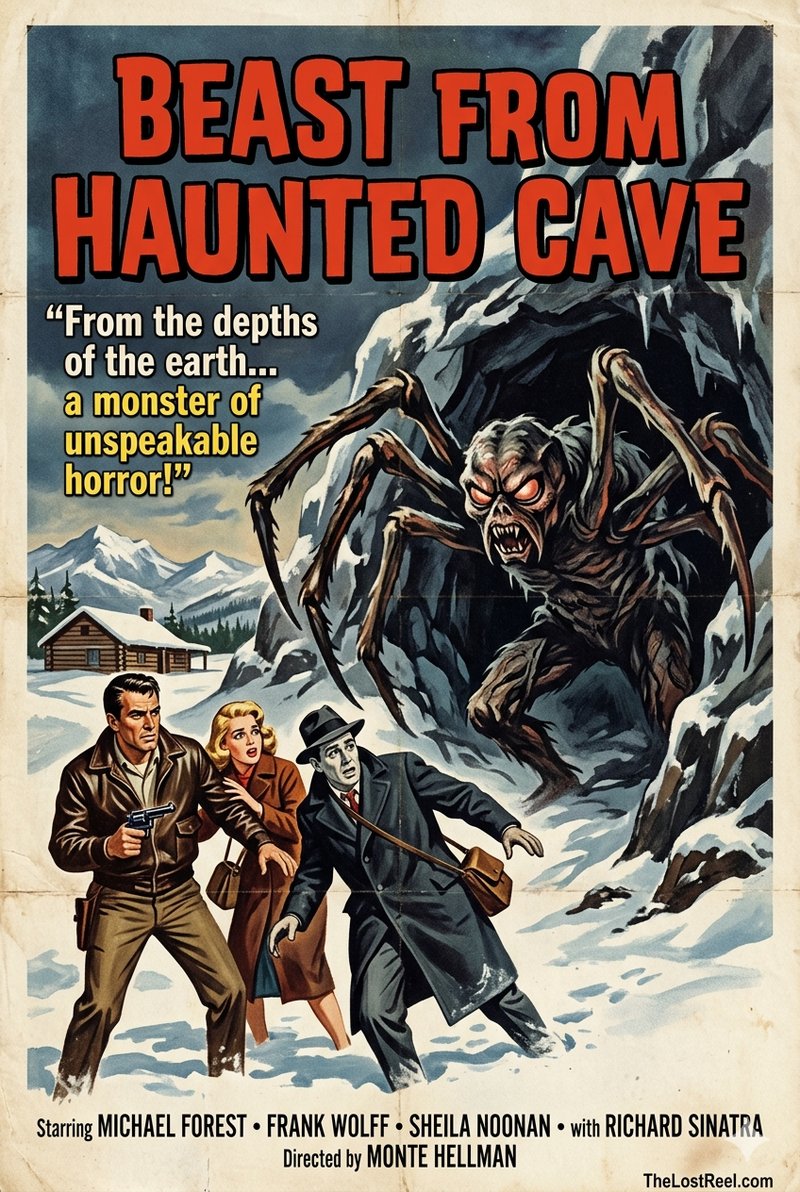 Beast from Haunted Cave