Pollyanna (1920)
“The glad girl who taught a town to smile.”
Streamed free from the Internet Archive · no signup, no cost — this film is in the public domain.
Synopsis
Based on Eleanor H. Porter's beloved 1913 novel, this silent feature stars "America's Sweetheart" Mary Pickford as Pollyanna Whittier, a sunny orphan sent to live with her cold, dutiful Aunt Polly. Through her unshakable "glad game," Pollyanna gradually melts the hardened hearts around her, even after a serious accident tests her own faith. It was Pickford's first film for United Artists and one of her signature roles.
Cast
About the Director
Paul Powell — Paul Powell was a dependable studio-era director who helmed several Pickford vehicles. Here he keeps the focus squarely on his star's expressive, naturalistic performance, balancing sentiment with the gentle comedy that made the film a major hit.
Why It’s Free: The Public-Domain Story
Public domain in the United States. Released in 1920, the film predates the 1929 cutoff; all US motion pictures published before 1929 are in the public domain, their copyrights long expired. The underlying 1913 Porter novel is likewise public domain.
Behind the Scenes
Produced by the newly formed United Artists, Pollyanna was Mary Pickford's first release for the studio she co-founded. It grossed over $1.1 million and became one of her most defining and profitable pictures.
Did You Know?
- It was Mary Pickford's debut film for United Artists, the studio she co-founded with Chaplin, Fairbanks, and Griffith.
- Pickford, then 27, played a young girl, a role she reprised throughout her career.
- The "glad game" from the film entered the popular lexicon, and "Pollyanna" became a byword for relentless optimism.
Reception & Legacy
A massive commercial success, Pollyanna cemented Pickford's screen persona and remains one of the most fondly remembered films of her silent career, frequently cited as a quintessential example of early Hollywood sentiment done well.
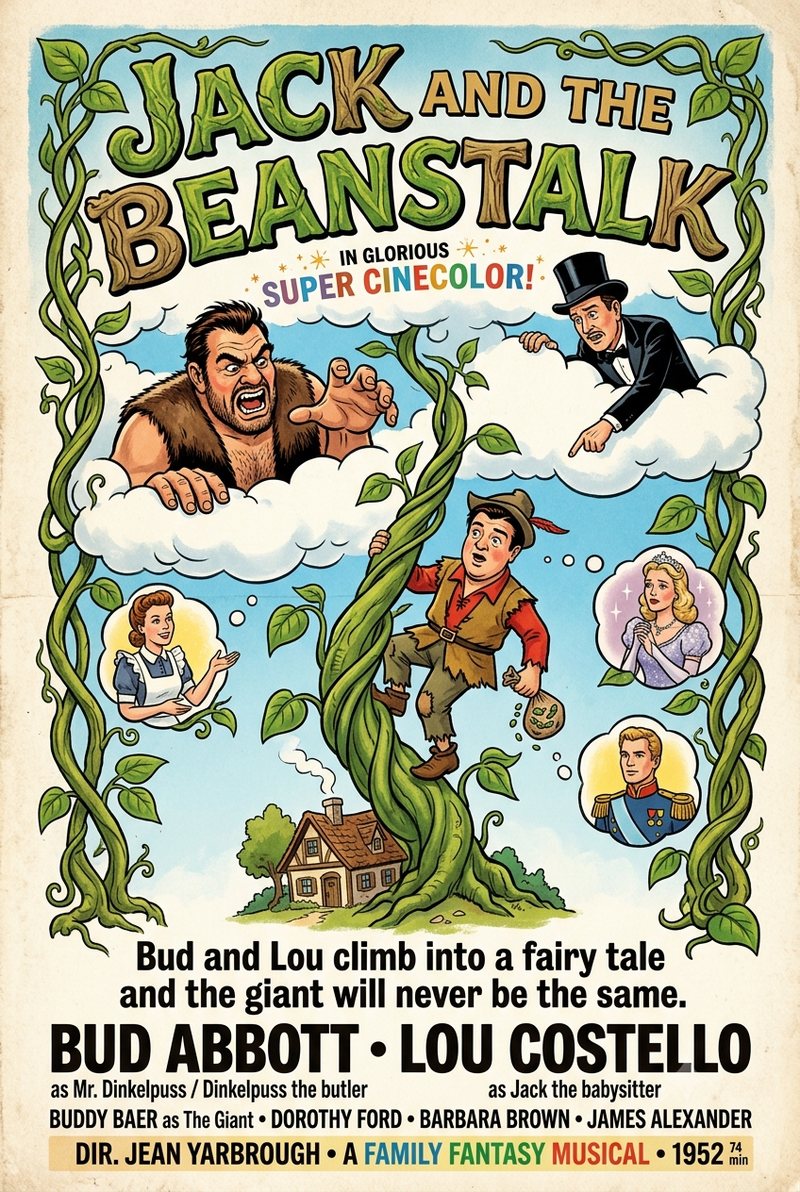 Jack and the Beanstalk
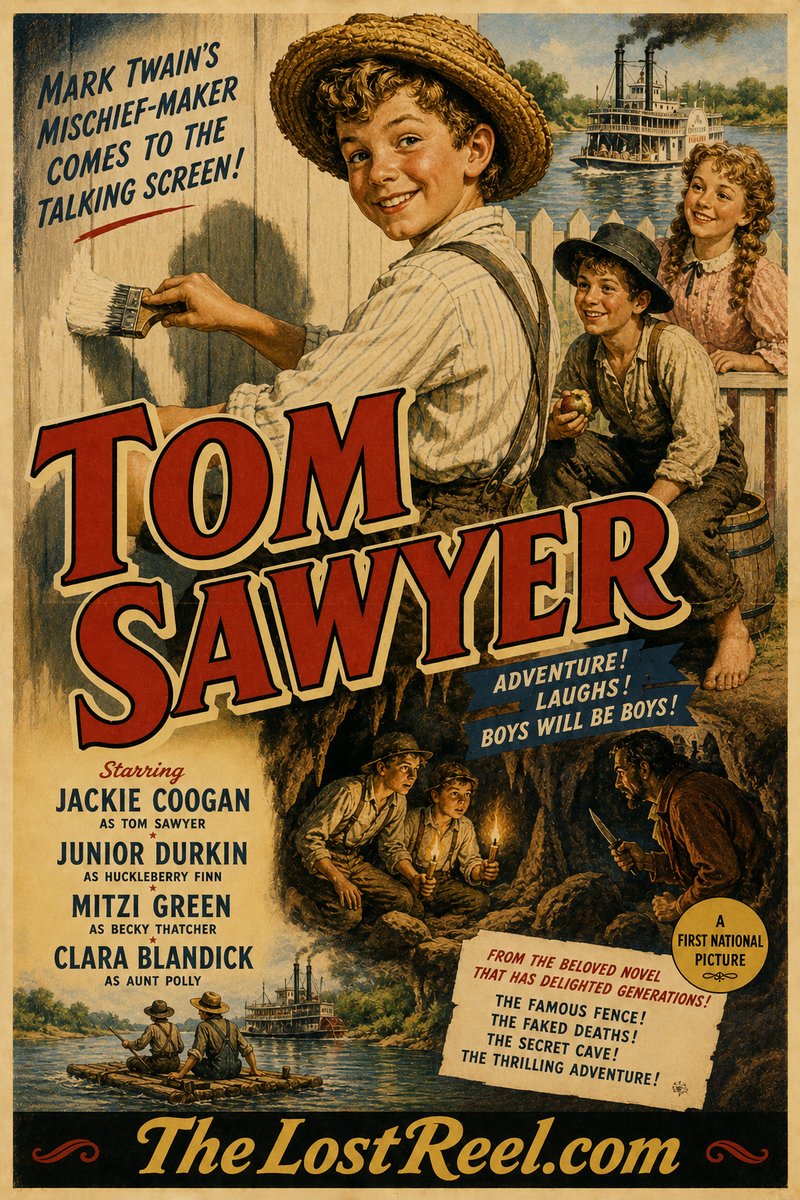 Tom Sawyer
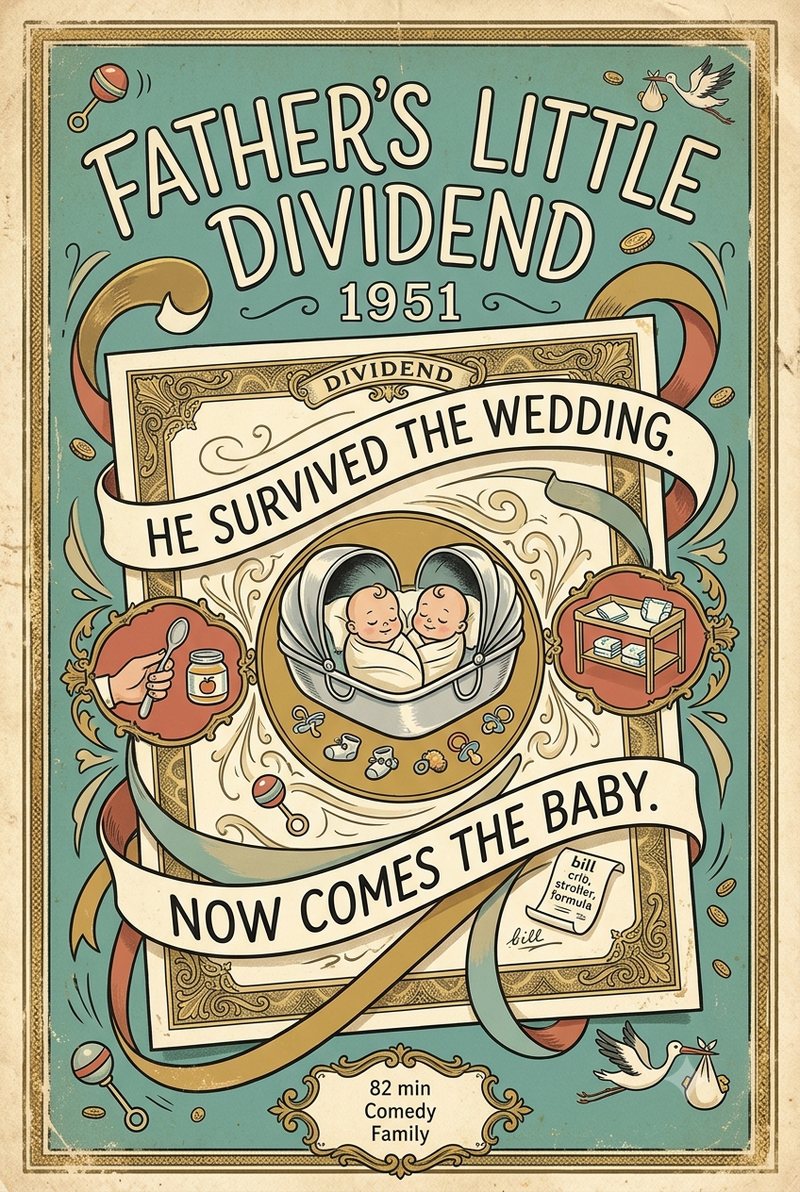 Father's Little Dividend
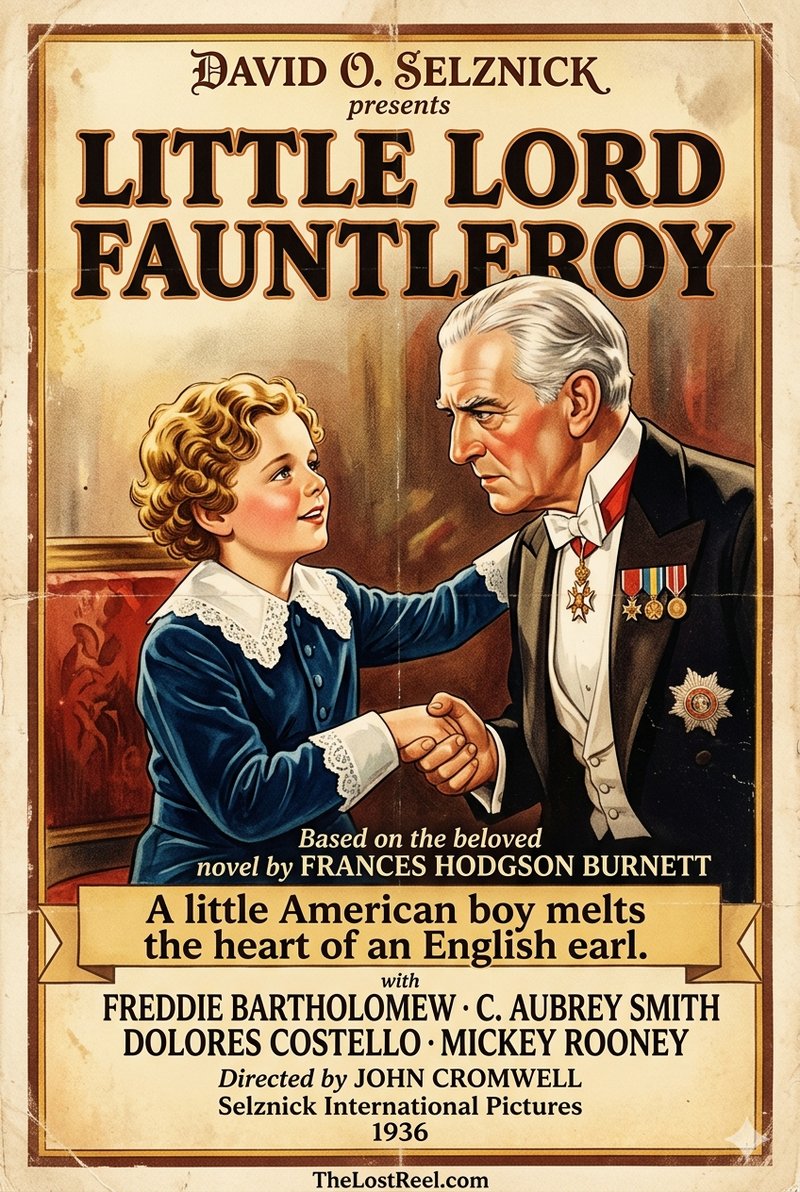 Little Lord Fauntleroy