The Stranger (1946)
“A Nazi hunter. A small town. A clock ticking down to the truth.”
Streamed free from the Internet Archive · no signup, no cost — this film is in the public domain.
Synopsis
War-crimes investigator Mr. Wilson hunts Franz Kindler, an architect of Nazi genocide who has erased his identity and resurfaced as "Charles Rankin," a respected prep-school teacher in a quiet Connecticut town. Rankin is about to marry Mary Longstreet, the daughter of a Supreme Court justice, when Wilson arrives on his trail — armed only with the knowledge that Kindler has an obsessive hobby repairing antique clocks. As Wilson closes in, Mary is caught between love for her husband and the dawning horror of who he truly is, building toward a confrontation in the town's church belfry.
Cast
About the Director
Orson Welles — Orson Welles, the prodigy behind 'Citizen Kane' (1941), directed and co-wrote (uncredited) this, his third completed feature and first film noir. Eager to prove he could deliver on schedule and under budget after years of studio friction, Welles finished 'The Stranger' a day ahead of schedule — making it the only film of his career to be an unambiguous box-office success on release.
Why It’s Free: The Public-Domain Story
'The Stranger' is in the public domain because its copyright was never renewed. The copyright originally belonged to the Haig Corporation, and the producers failed to file the required renewal in 1973, so the film passed into the public domain.
Behind the Scenes
Producer Sam Spiegel first intended John Huston to direct, but turned to Welles after Huston entered the military. Filming ran from late September to November 1945. Most notably, 'The Stranger' was the first commercial Hollywood film to incorporate real documentary footage of the Nazi concentration camps, drawing on the film used as evidence at the Nuremberg Trials. Editor Ernest Nims cut roughly 32 pages from the script, reshaping Welles's intended political drama into a tighter thriller.
Did You Know?
- Welles wanted Agnes Moorehead to play the investigator Wilson — "a spinster lady on the heels of this Nazi" — but Edward G. Robinson was cast instead.
- Welles staged an unbroken four-minute take in the woods — longer than the celebrated opening shot of his later 'Touch of Evil' (1958).
- Production designer Perry Ferguson, who designed 'Citizen Kane,' built a complete interlocking town-square set for deep-focus shots.
- The film earned Victor Trivas an Academy Award nomination for Best Original Story.
Reception & Legacy
Reviews were largely positive on release — Variety called it "a socko melodrama" — and it was nominated for the top prize at the Venice Film Festival. Today it is regarded as an underrated entry in Welles's filmography, valued for its craft and its pioneering use of Holocaust footage.
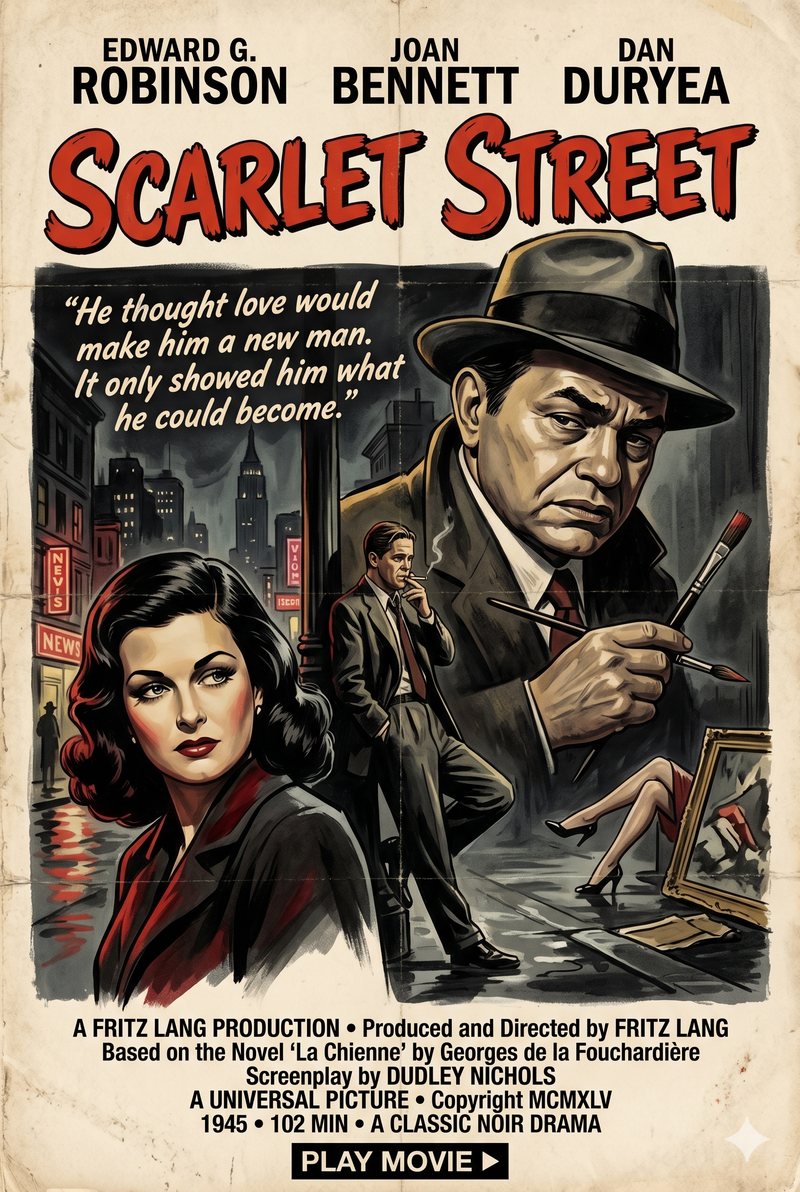 Scarlet Street
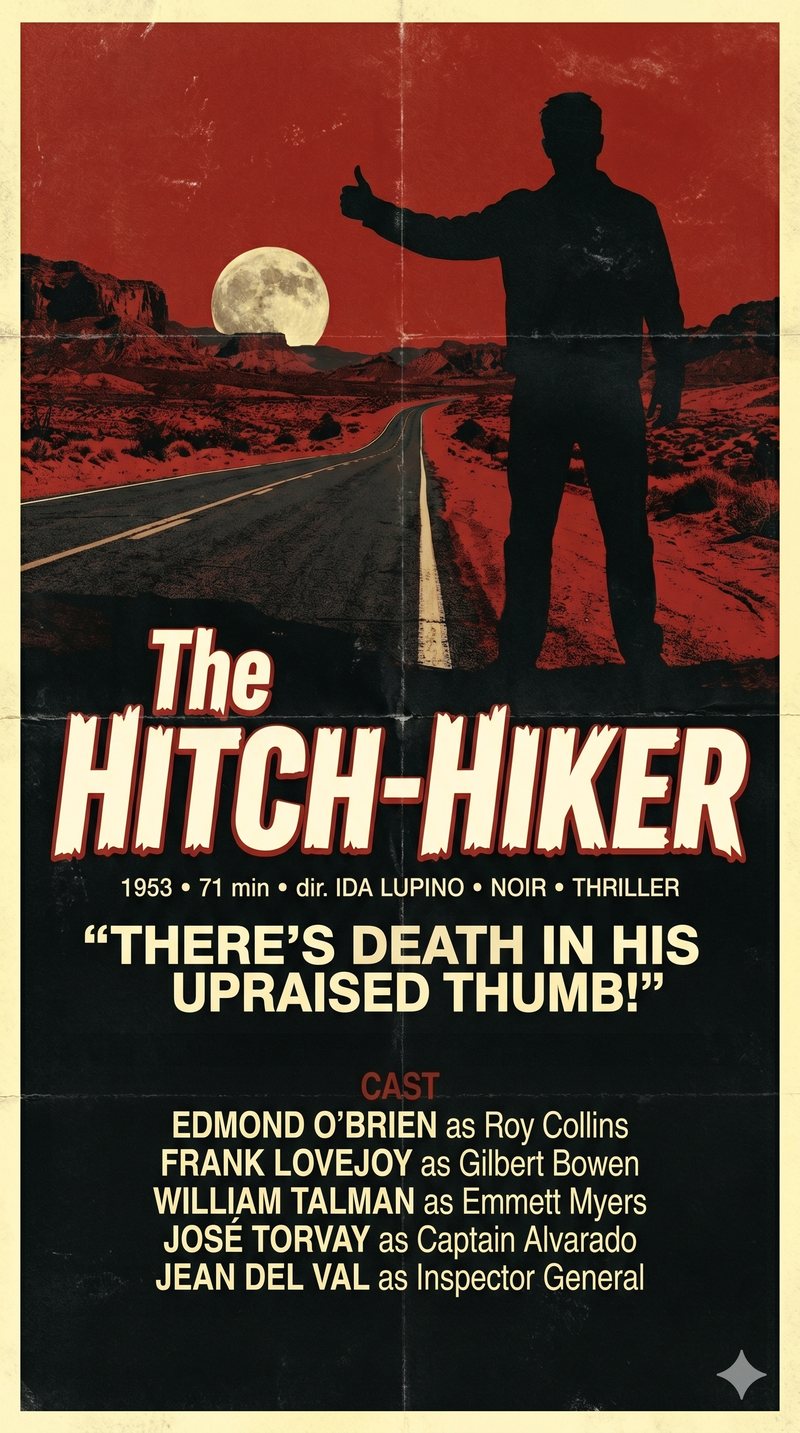 The Hitch-Hiker
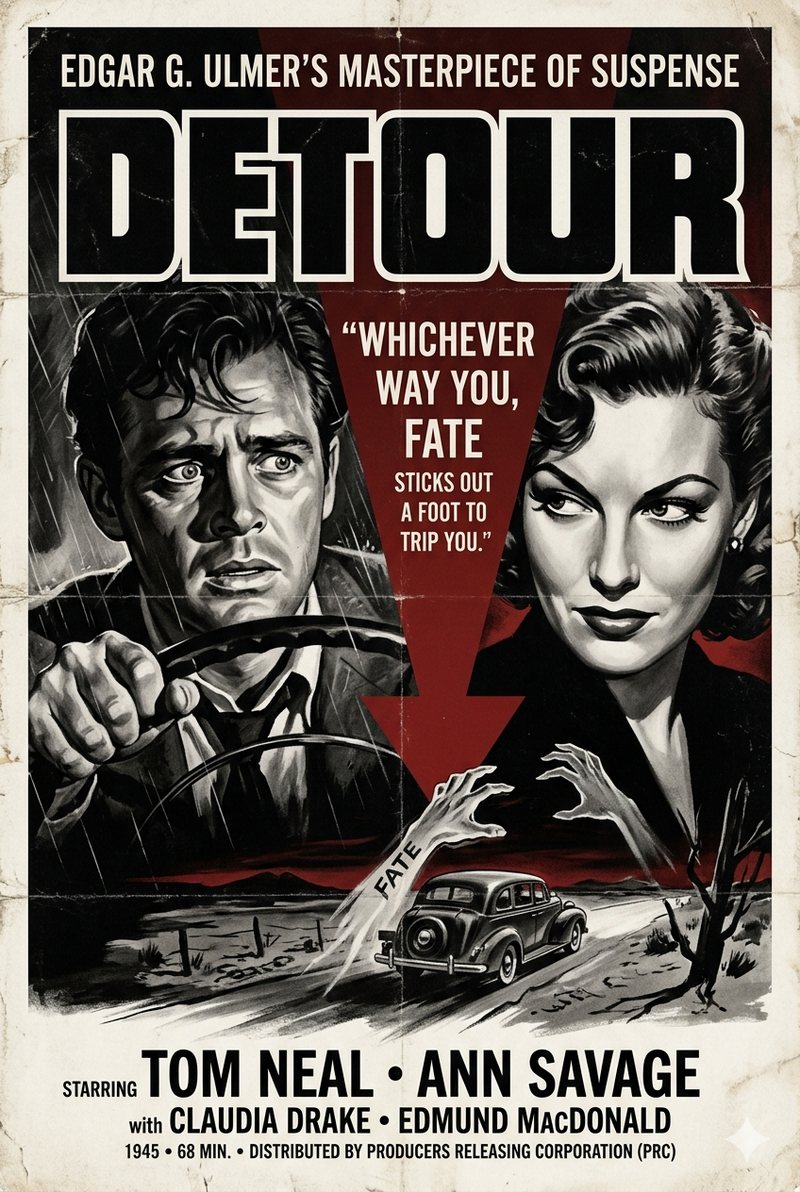 Detour
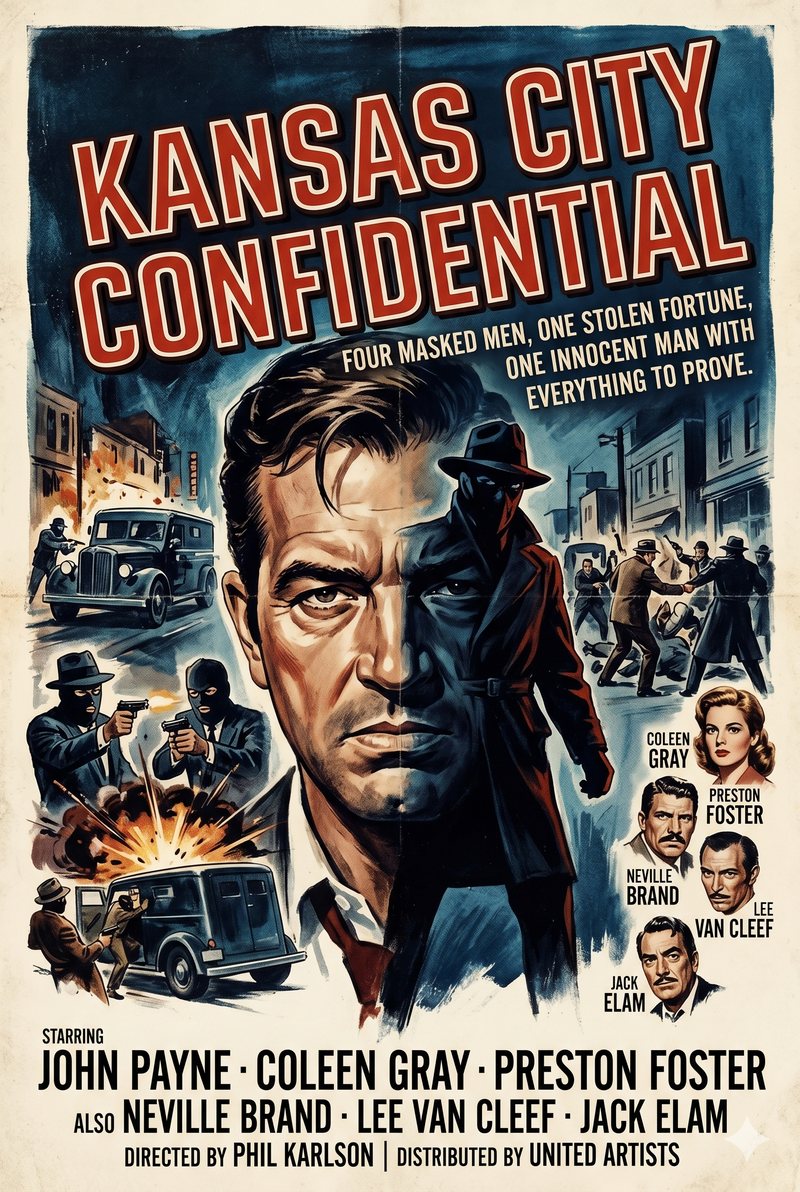 Kansas City Confidential