The Hunchback of Notre Dame (1939)
“In a city that feared the misshapen, the gentlest heart hung in the bell tower.”
Streamed free from the Internet Archive · no signup, no cost — this film is in the public domain.
Synopsis
In late-medieval Paris, the deaf, deformed bell-ringer Quasimodo lives sheltered within Notre Dame Cathedral while the city celebrates its Feast of Fools. When the beautiful Romani dancer Esmeralda draws the obsessive lust of the powerful chief justice Frollo, his jealousy leads to murder — and to her being condemned to death for a crime she did not commit. Quasimodo rescues her, carrying her into the cathedral and claiming the right of sanctuary as forces gather to revoke it, in a story that builds to a tragic, sweeping climax over the rooftops of Notre Dame.
Cast
About the Director
William Dieterle — William Dieterle was a German-born actor turned director who became a prestige filmmaker known for sweeping literary and biographical dramas such as 'The Life of Emile Zola.' For 'Hunchback,' made at RKO, he marshaled one of the largest sets in studio history and a major international cast, bringing a continental, painterly sensibility to Victor Hugo's tragedy.
Why It’s Free: The Public-Domain Story
'The Hunchback of Notre Dame' is in the public domain because its copyright was not renewed in the 28th year as the law then required, so the film passed into the public domain. (Hugo's 1831 source novel is also long in the public domain.)
Behind the Scenes
The property bounced through several studios before RKO acquired it, with Pandro S. Berman producing. On its Encino movie ranch, RKO built a massive medieval Paris and a full Notre Dame façade — designed by Van Nest Polglase at a cost of roughly $250,000, among the most extravagant sets ever constructed. Laughton insisted on a deliberately heavy makeup appliance and hump to stay in character, enduring grueling sessions; the production wrapped just as World War II broke out in Europe, an emotional weight the cast carried into filming.
Did You Know?
- It was the only film actually screened at the inaugural Cannes Film Festival, the rest of which was cancelled at the outbreak of World War II.
- The role launched 18-year-old Maureen O'Hara's American career; Laughton, impressed by her work on Hitchcock's 'Jamaica Inn,' personally brought her to Hollywood.
- Lon Chaney Jr., Orson Welles, and others were considered for Quasimodo before Laughton secured the part.
- To satisfy the Hays Code, Hugo's villainous archdeacon was split in two so the priest became sympathetic and a secular chief justice carried the menace.
Reception & Legacy
The film was a popular and critical success, praised as a lavish, thrilling adaptation, and earned Academy Award nominations for Best Original Score and Best Sound. It is widely regarded as among the finest screen versions of Hugo's novel, with Laughton's performance considered definitive, and AFI later placed it at No. 98 on "100 Years...100 Passions."
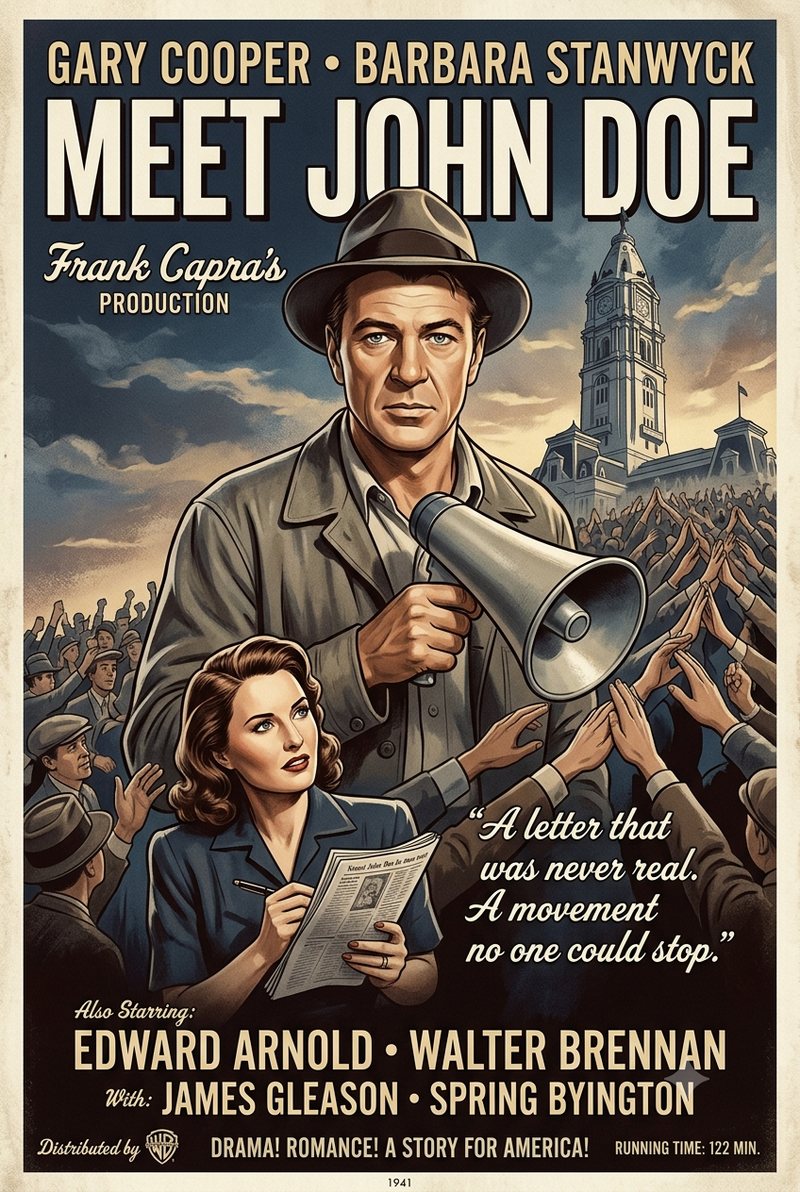 Meet John Doe
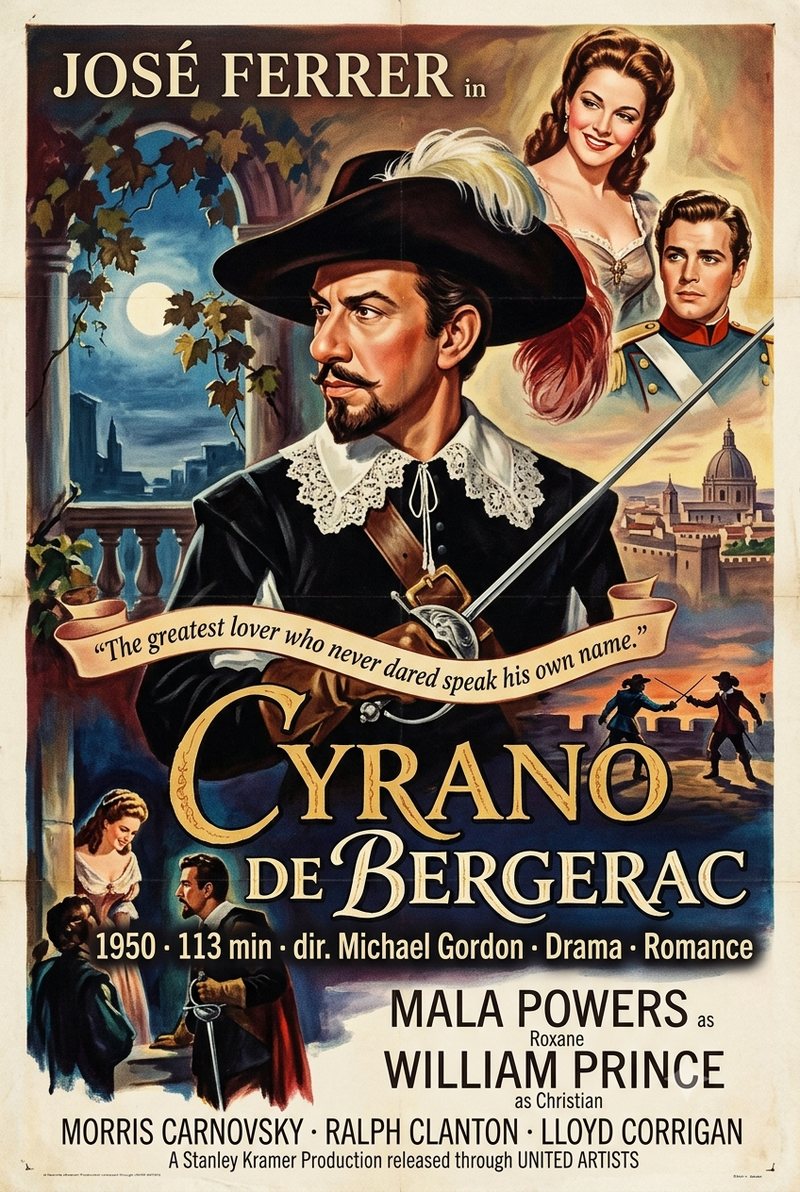 Cyrano de Bergerac
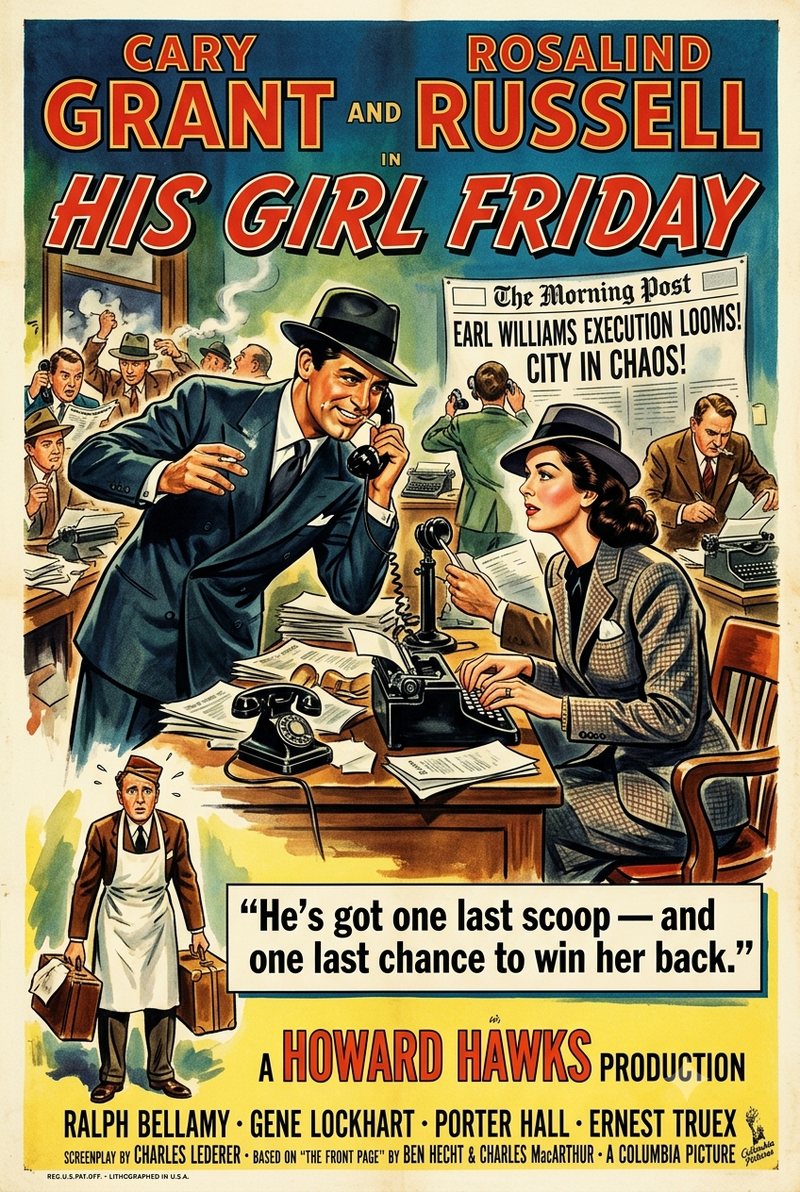 His Girl Friday
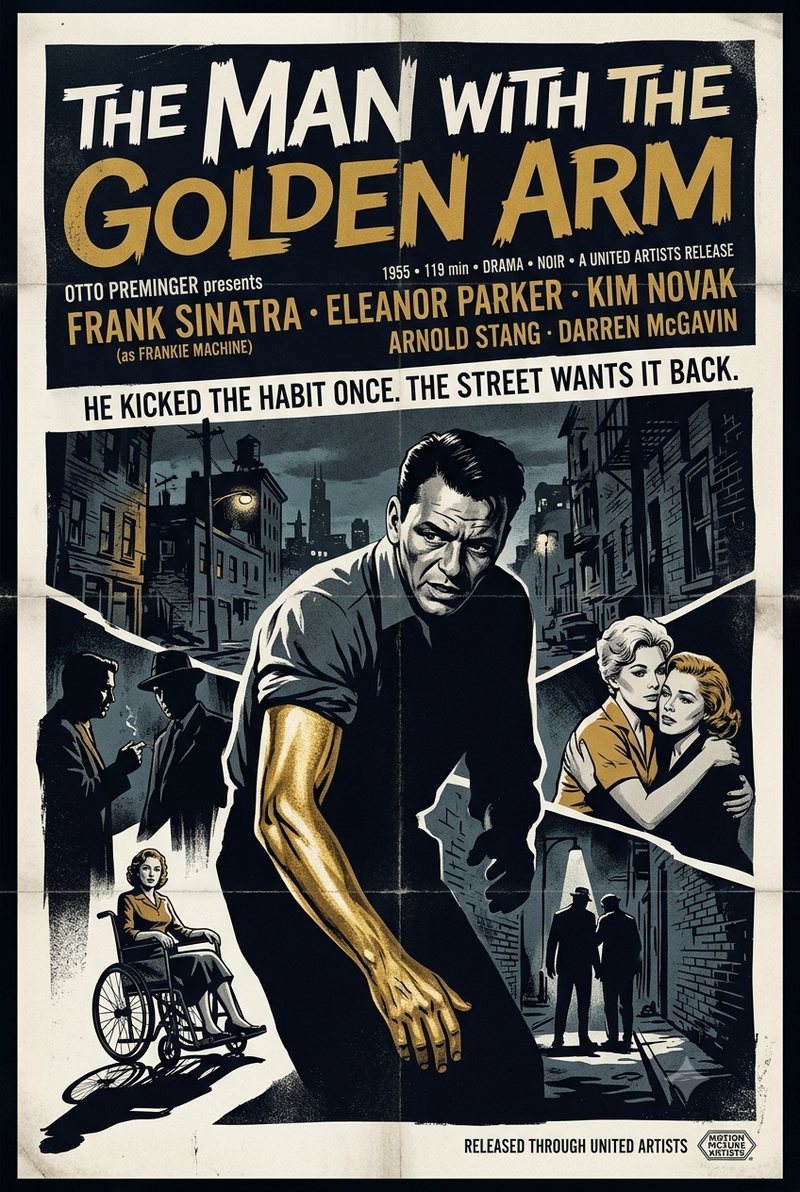 The Man with the Golden Arm