The Great Train Robbery (1903)
“The film that taught movies how to tell a story.”
Streamed free from the Internet Archive · no signup, no cost — this film is in the public domain.
Synopsis
Edwin S. Porter's twelve-minute landmark for the Edison Manufacturing Company is one of the most influential films ever made and a foundation stone of the western genre. Bandits assault a telegraph operator, rob a train, gun down a fleeing passenger, and escape on horseback before a posse runs them down. Porter deployed then-novel techniques: composite editing, camera movement, on-location shooting, and double exposure. It closes with the famous shot of a bandit firing his pistol directly at the audience.
Cast
About the Director
Edwin S. Porter — Edwin S. Porter, a former Edison cameraman, built on his earlier Life of an American Fireman to assemble a genuine multi-scene narrative. His use of cross-scene continuity and dynamic staging set the template that D.W. Griffith and the entire industry would expand. The film made Porter the most important American director of his moment.
Why It’s Free: The Public-Domain Story
Produced and exhibited in 1903, it is indisputably in the US public domain: every motion picture made and shown before 1929 is out of copyright. No copyright term can attach to a work of this age.
Behind the Scenes
Filmed in November 1903 at Edison's New York studio, in Essex County, New Jersey, and along the Lackawanna railroad, then released that December. It was an enormous commercial hit and a fixture of early nickelodeon programs, helping to popularize narrative cinema in America. In 1990 it was selected for preservation in the Library of Congress's National Film Registry.
Did You Know?
- Cinema's first major narrative western, despite being shot entirely in New Jersey.
- The shot of the bandit firing at the camera could be placed at the start or end of the reel at the exhibitor's choice.
- Justus D. Barnes plays the mustachioed outlaw who fires that famous point-blank shot.
- Selected for the U.S. National Film Registry in 1990.
Reception & Legacy
Hailed in its day by Edison's own catalogue as "absolutely the superior of any moving picture ever made," it was a sensation with audiences. Modern historians regard it as a watershed in film grammar and storytelling. It remains essential viewing for understanding how movies learned to narrate.
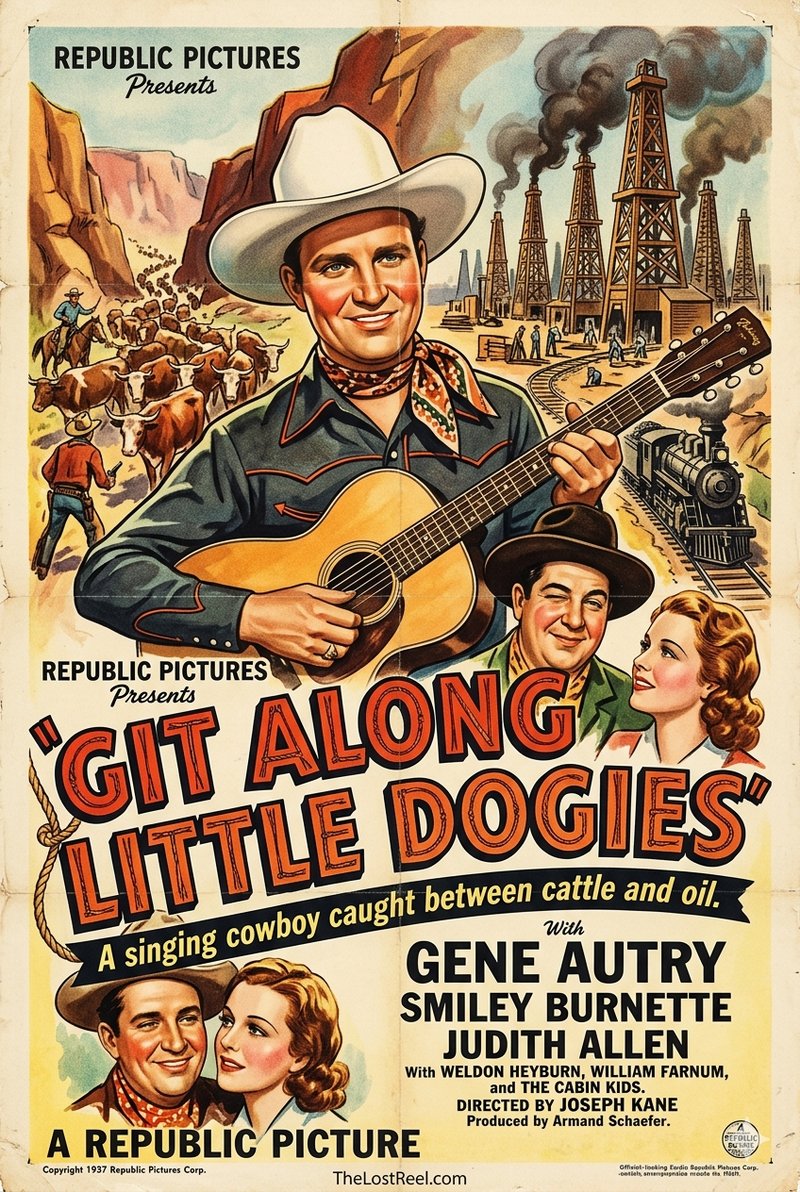 Git Along Little Dogies
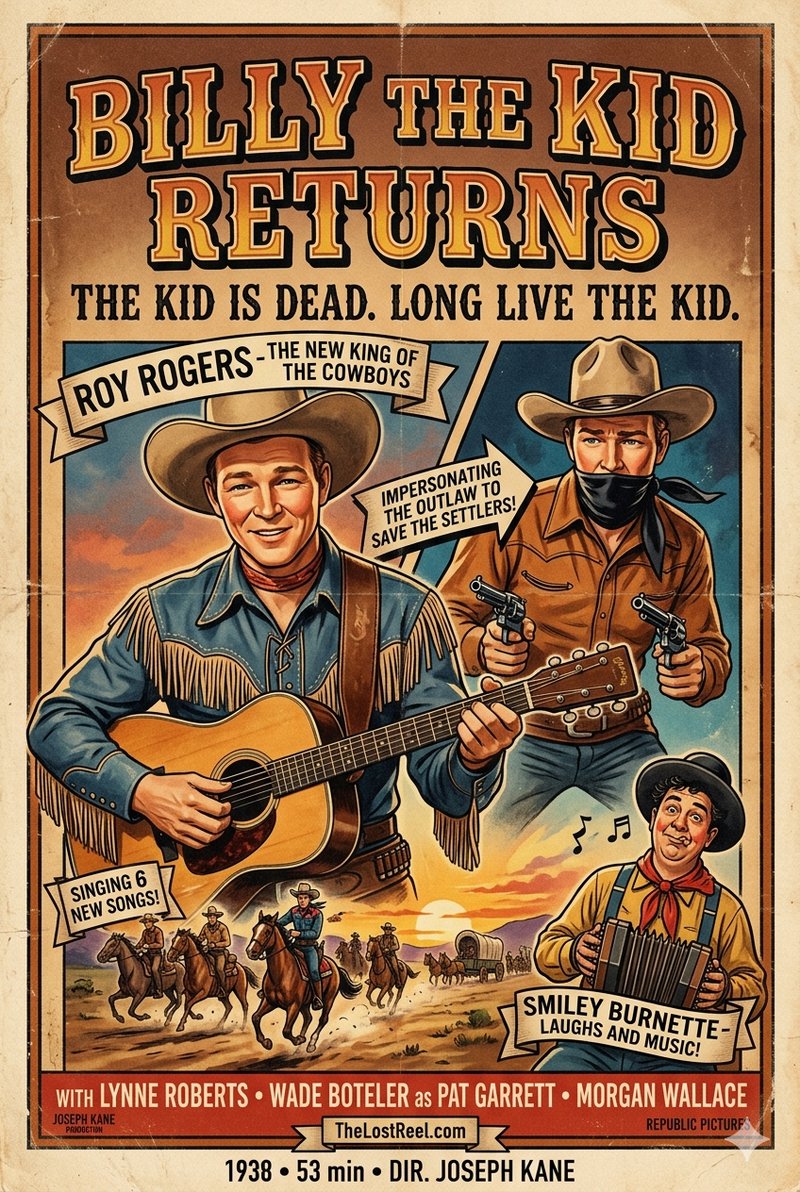 Billy the Kid Returns
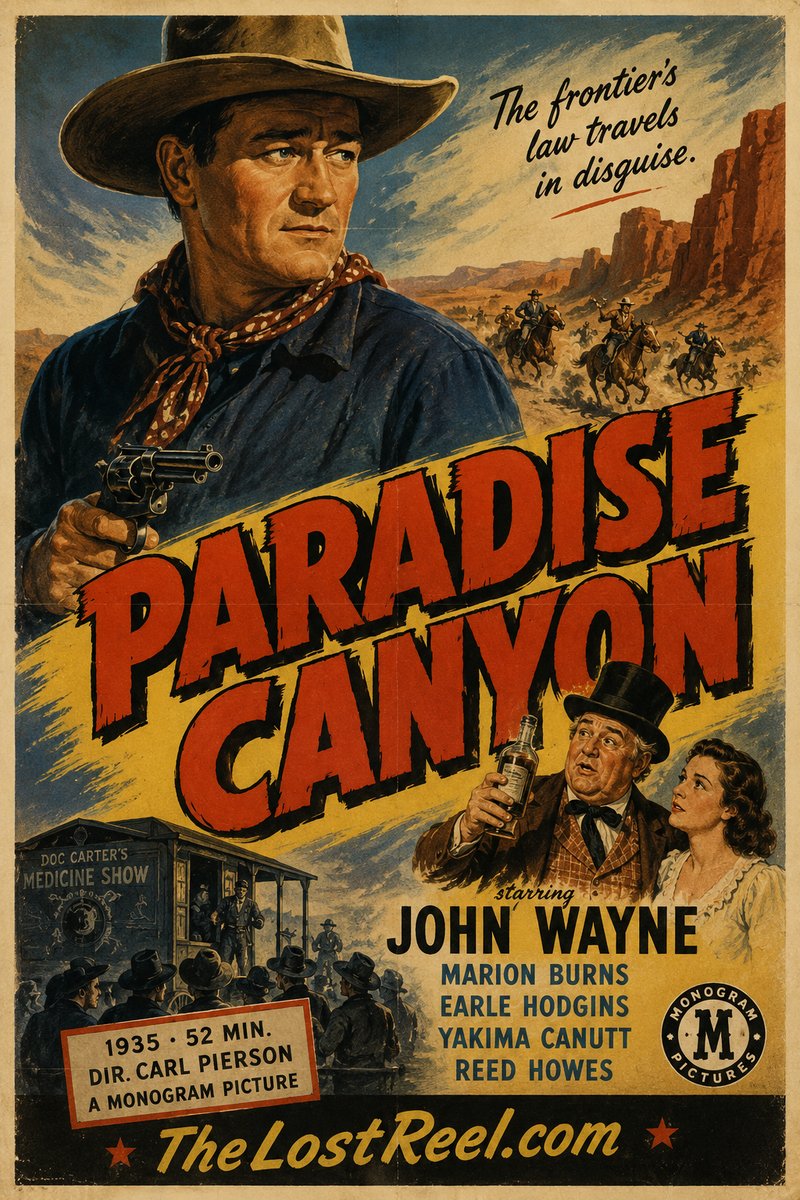 Paradise Canyon
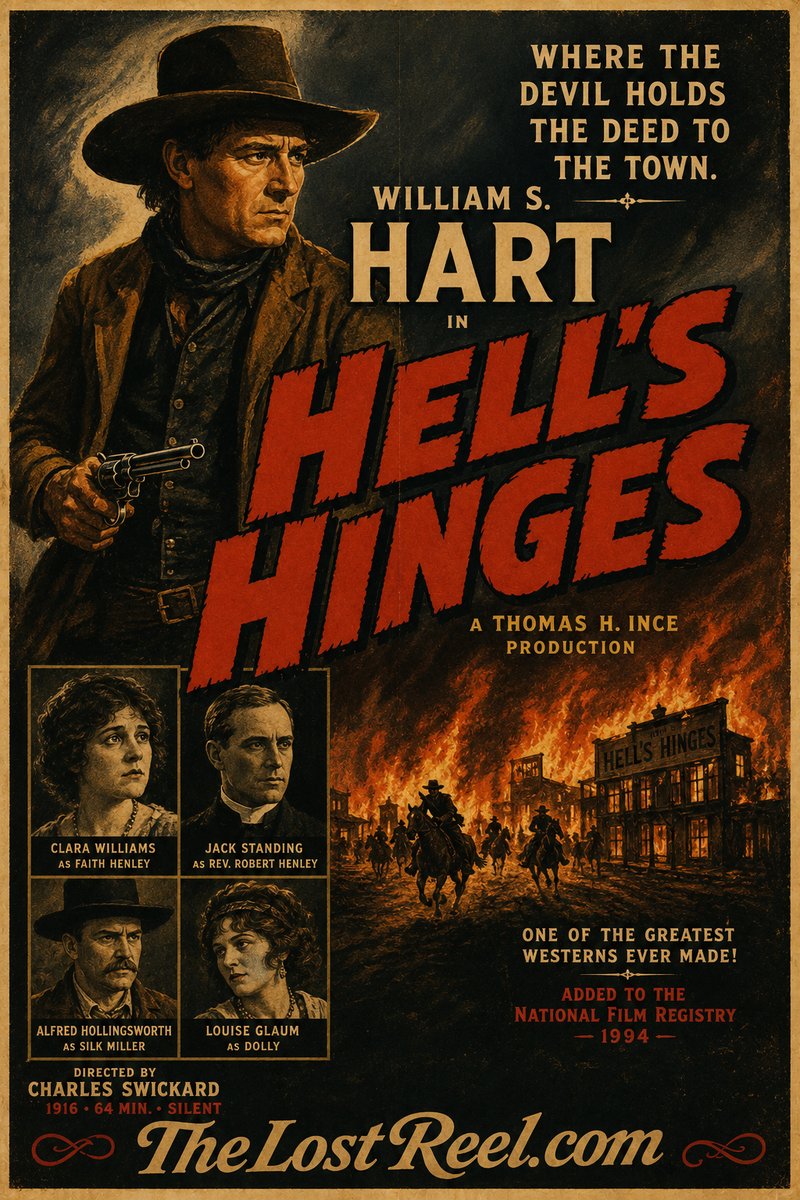 Hell's Hinges