The Front Page (1931)
“Stop the presses: the fastest, dirtiest newsroom comedy ever put on screen.”
Streamed free from the Internet Archive · no signup, no cost — this film is in the public domain.
Synopsis
Adapted from the 1928 Broadway smash by Ben Hecht and Charles MacArthur, The Front Page is the original fast-talking newspaper comedy and the template for every cynical-newsroom picture that followed. Pat O'Brien is Hildy Johnson, the ace reporter who only wants to marry his sweetheart and leave town, and Adolphe Menjou is Walter Burns, the silver-tongued editor who will lie, bribe and kidnap to keep him on the story. When a convicted murderer escapes hours before his hanging and stumbles into the courthouse press room, the two newsmen hide him in a rolltop desk and the film becomes a breathless single-room farce about corruption, capital punishment and the amoral thrill of the scoop. Director Lewis Milestone, fresh off All Quiet on the Western Front, keeps the camera prowling and the dialogue machine-gunning, earning three Academy Award nominations including Best Picture.
Cast
About the Director
Lewis Milestone — Lewis Milestone attacks the stage-bound material with restless, inventive camerawork and rapid overlapping delivery, proving early sound cinema could move as fast as its dialogue and setting the rhythm that His Girl Friday would later make legendary.
Why It’s Free: The Public-Domain Story
The Front Page is in the public domain in the United States. It is widely documented as a public-domain title, distributed as a pre-1964 work whose copyright protection lapsed when it was not renewed.
Behind the Scenes
Produced by Howard Hughes for The Caddo Company and distributed by United Artists in 1931, it was nominated for three Academy Awards, including Best Picture, Best Director and Best Actor for Menjou. In 2010 it was added to the National Film Registry by the Library of Congress, and it was preserved by the Academy Film Archive in 2016.
Did You Know?
- Howard Hawks remade the story as His Girl Friday (1940) by recasting Hildy Johnson as a woman, and it was filmed again in 1974 and as Switching Channels in 1988.
- The line about Judge Mankiewicz is an in-joke referencing screenwriter Herman J. Mankiewicz, a friend of co-author Ben Hecht.
- Two distinct versions were shot from different takes, one for international release and Milestone's preferred domestic cut.
Reception & Legacy
Critics have hailed it for decades; Leonard Maltin called it forceful, funny, and flamboyantly directed, and noir historian Eddie Muller credited it with creating the archetype of the hard-drinking newshound who'll do anything for a scoop.
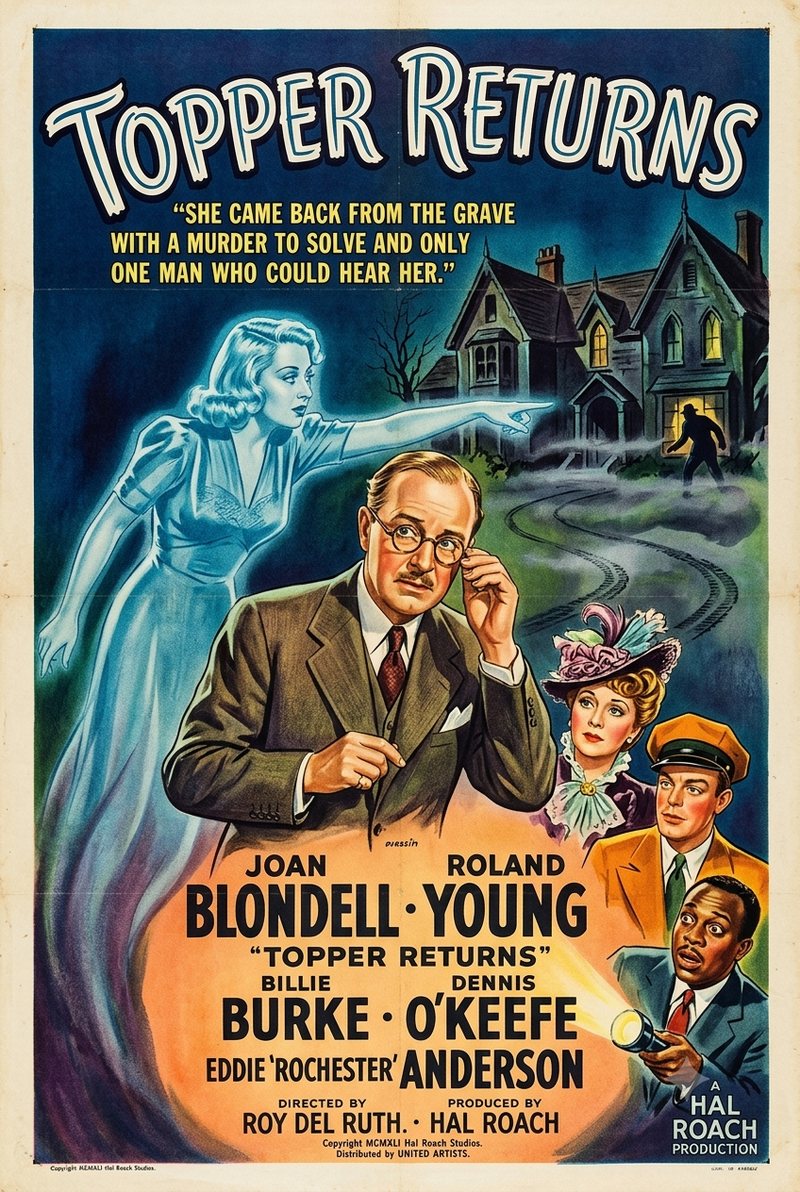 Topper Returns
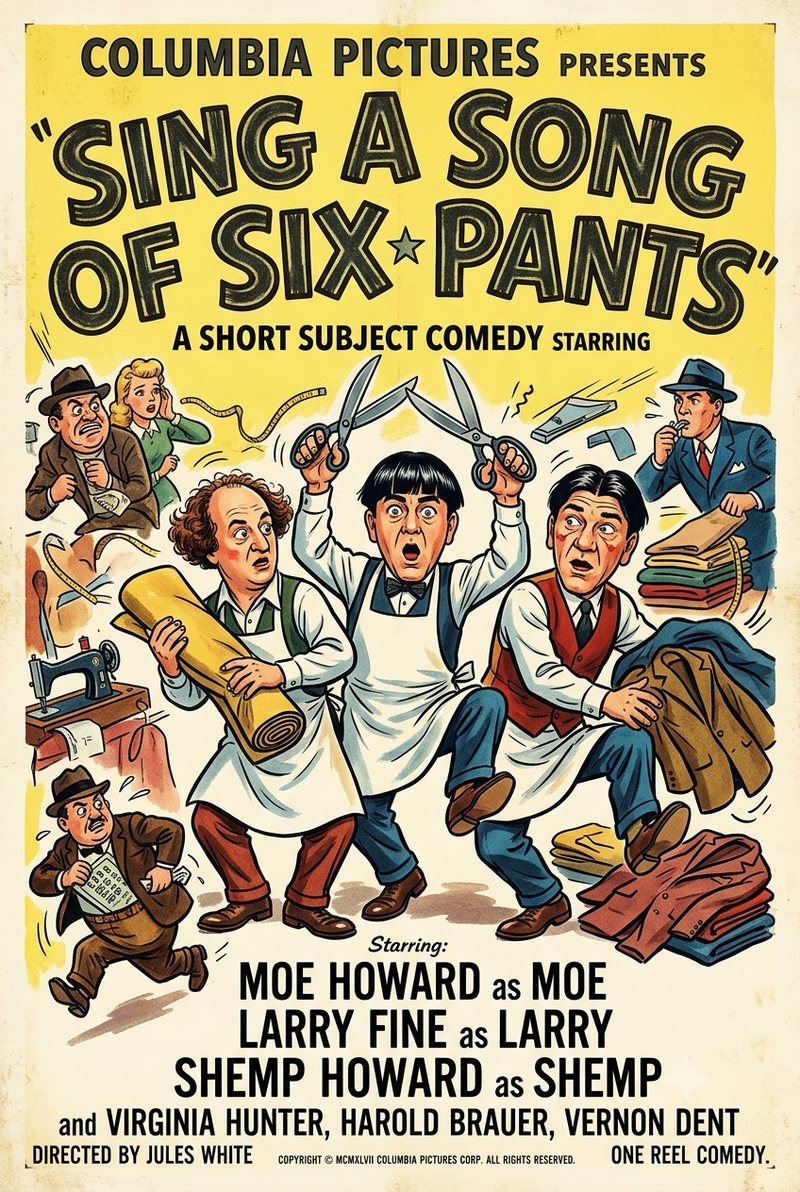 Sing a Song of Six Pants
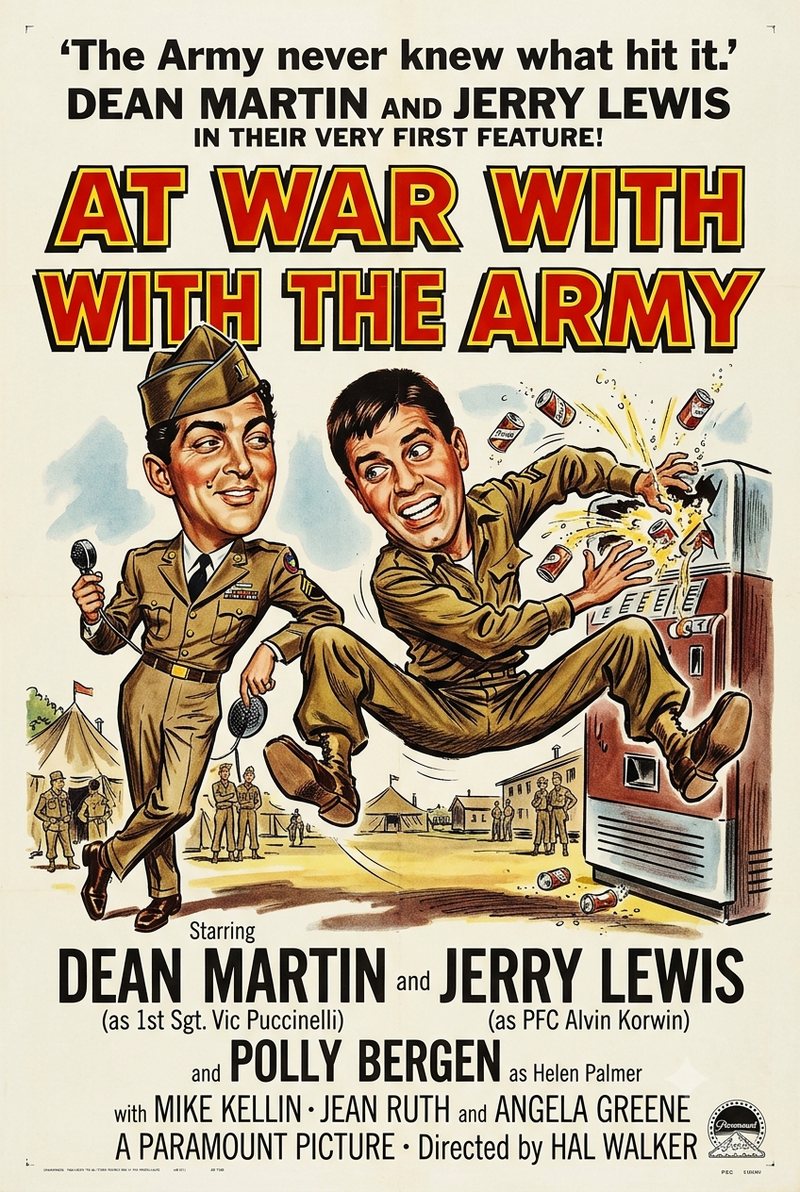 At War with the Army
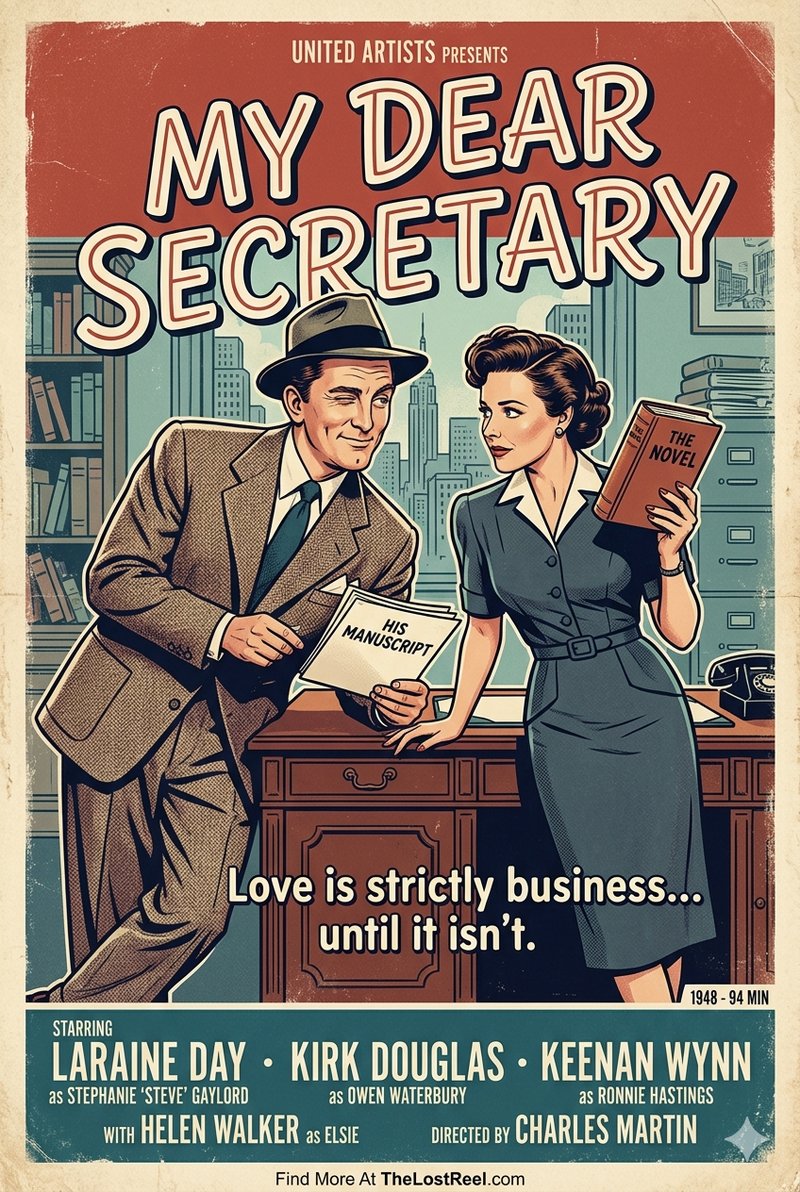 My Dear Secretary