Somewhere in Dreamland (1936)
“Where dreams come true for those who need them most.”
Streamed free from the Internet Archive · no signup, no cost — this film is in the public domain.
Synopsis
Two impoverished siblings scavenge for food and firewood, then drift off to sleep and journey to "Dreamland," a candy-colored fantasy of marching gingerbread men, toy parades, and endless feasts. When they wake, the shopkeepers and neighbors of their town arrive with real food, clothing, and toys. A standout Fleischer Color Classic, it pairs lush three-strip Technicolor with the studio's signature 3-D "Setback" tabletop backgrounds for a genuinely dimensional look. The sentiment is pure Depression-era reassurance.
Cast
About the Director
Dave Fleischer — Dave and Max Fleischer's New York studio was Disney's chief rival in the 1930s, known for jazzy, surreal, and technically inventive cartoons. The Color Classics were the Fleischers' answer to Disney's Silly Symphonies, and "Somewhere in Dreamland" shows off their patented Stereoptical "Setback" process, which placed cels in front of miniature three-dimensional model sets. Director Dave Fleischer oversaw a deep bench of animators including Seymour Kneitel and Roland Crandall.
Why It’s Free: The Public-Domain Story
The cartoon is in the US public domain because the copyright renewal was not validly secured; the Color Classics' rights holder failed to perfect renewal at the 28-year mark, so the film lapsed. It is one of the few Color Classics that still circulates with its original Paramount titles intact. No valid copyright remains.
Behind the Scenes
Released January 17, 1936, by Paramount Pictures, it was an entry in Fleischer Studios' Color Classics series (1934–1941). It was produced by Max Fleischer and directed by Dave Fleischer, with animation by Fleischer veterans Seymour Kneitel and Roland Crandall. The Color Classics were created specifically to compete with Disney's color Silly Symphonies.
Did You Know?
- It is one of the few Color Classics to survive with its original Paramount title cards, while most others had their openings digitally recreated.
- The film uses the Fleischers' patented Stereoptical 3-D "Setback" process for dimensional backgrounds.
- It was photographed in full three-strip Technicolor after Disney's exclusive hold on the process expired.
- The story's "wake to real kindness" ending is a recurring Depression-era theme in 1930s family animation.
Reception & Legacy
Long a favorite on public-domain holiday and family cartoon collections, it is frequently singled out as one of the most beautiful Color Classics. Animation historians cite it as a prime showcase of the Fleischers' tabletop 3-D technique.
 Sinbad the Sailor
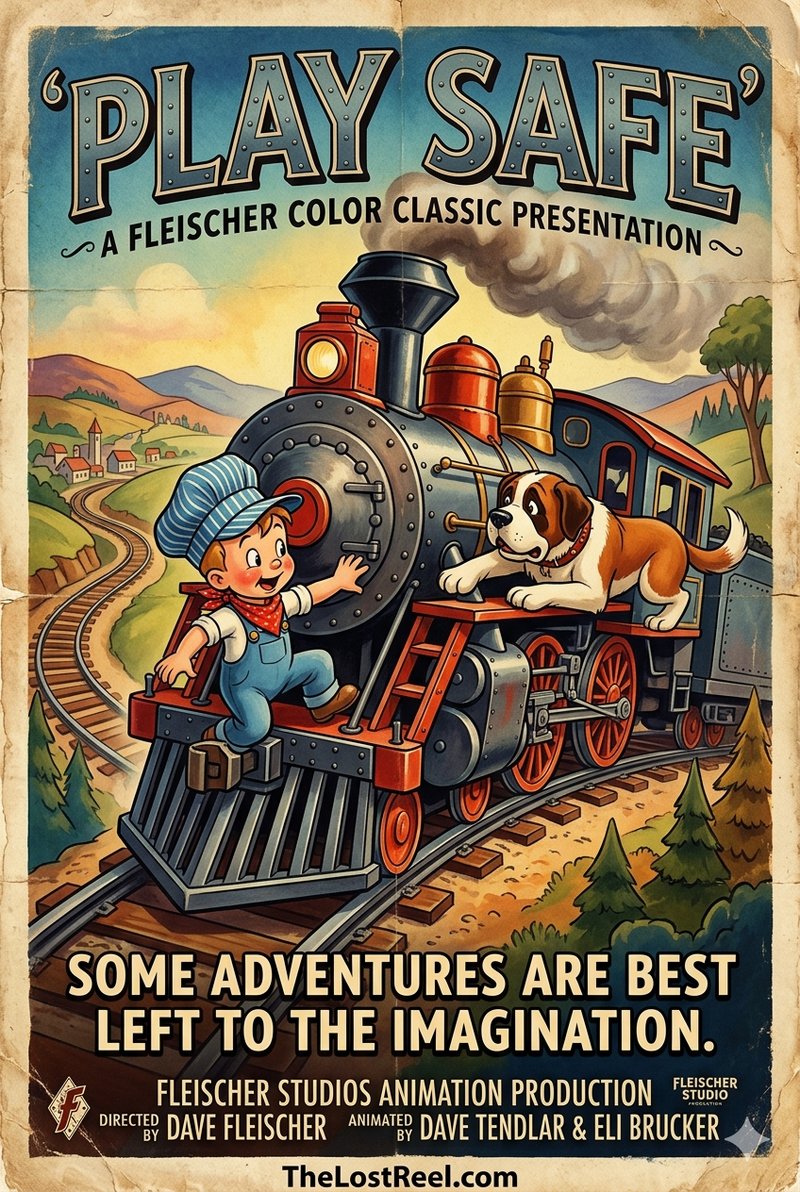 Play Safe
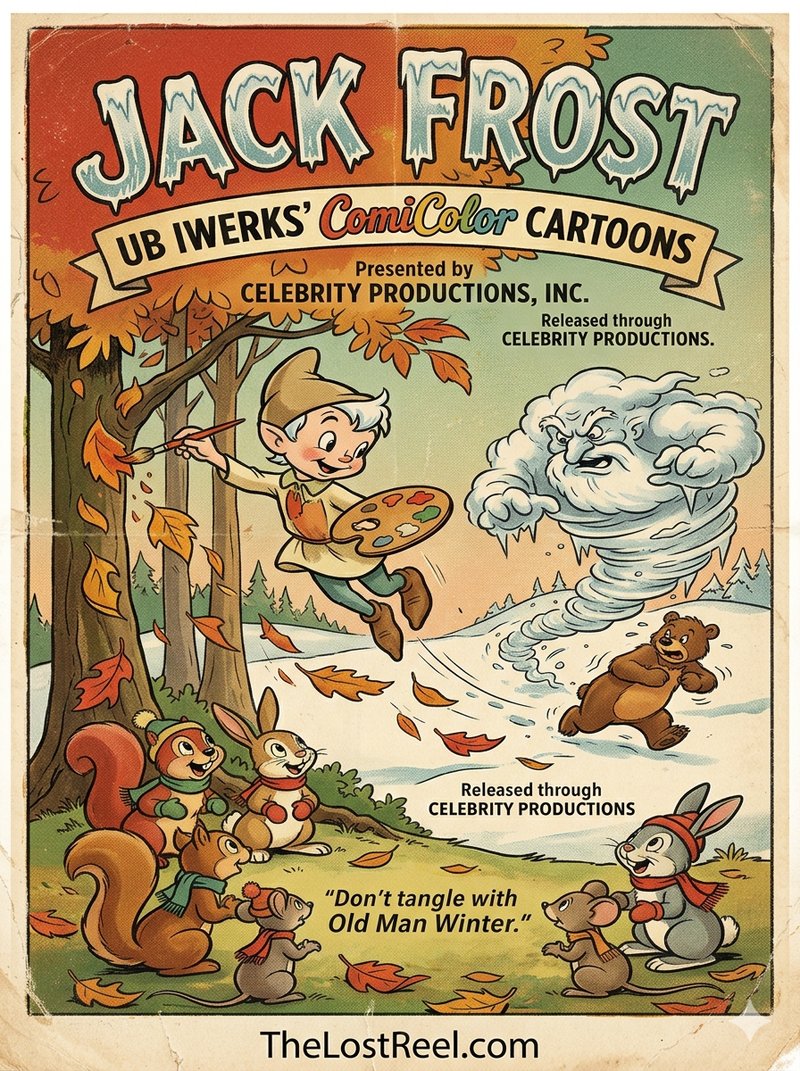 Jack Frost
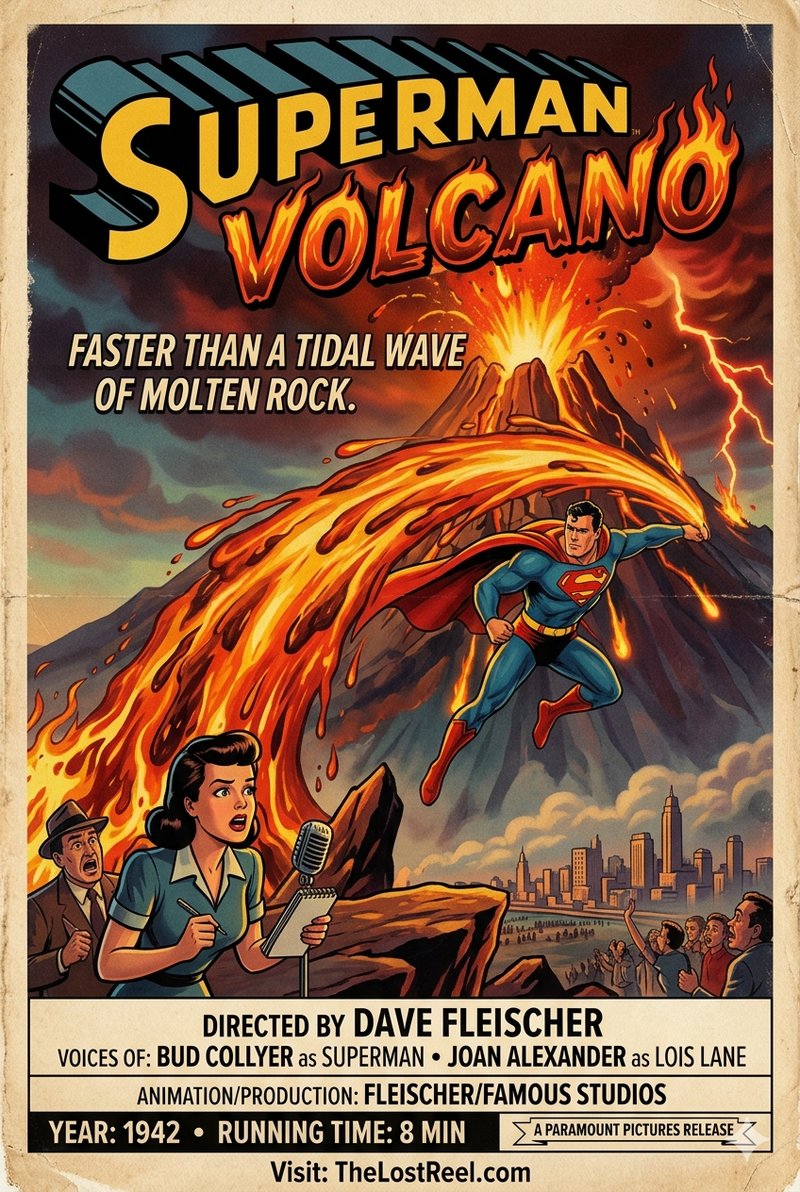 Superman: Volcano