Sherlock Jr. (1924)
“Step through the screen and into the dream.”
Streamed free from the Internet Archive · no signup, no cost — this film is in the public domain.
Synopsis
A meek small-town projectionist with ambitions of becoming a detective is framed for stealing a pocket watch by a romantic rival and banished by the girl he loves. Dejected, he falls asleep in the projection booth and dreams himself into the film flickering on the screen, where he becomes Sherlock Jr., the world's greatest detective. Inside the movie-within-a-movie, he navigates a surreal landscape of shifting backgrounds, deadly traps, and impossible escapes. Keaton stages a cascade of jaw-dropping physical stunts, many performed without doubles or trickery. The dream and the waking world ultimately rhyme, as the projectionist learns that love, like detective work, sometimes solves itself. At just over forty minutes, it remains one of the most inventive and influential films of the silent era.
Cast
About the Director
Buster Keaton — Buster Keaton directed, edited, and starred in Sherlock Jr., and his fearless approach to physical comedy nearly killed him: during one water-tower gag he fractured his neck without realizing it until years later. Keaton conceived the film as a meditation on the magic of movies themselves, using precise in-camera effects to let his character cross the boundary between audience and screen. His refusal to use obvious trick photography where a real stunt would do gives the film its astonishing sense of danger and wonder.
Why It’s Free: The Public-Domain Story
Sherlock Jr. is in the public domain in the United States because its copyright was never renewed during the 28th year as the law of the era required, causing federal protection to lapse. As an American production of the silent era whose term has expired, the film is free for anyone to copy, stream, and exhibit.
Behind the Scenes
Produced by Joseph M. Schenck and released through Metro-Goldwyn Pictures on April 21, 1924, Sherlock Jr. ran only about 45 minutes after Keaton trimmed it down following lukewarm preview laughs. Though modestly received on release, its reputation grew enormously over the decades as critics recognized the audacity of its construction. In 1991 the Library of Congress selected it for preservation in the National Film Registry as culturally, historically, or aesthetically significant.
Did You Know?
- Keaton broke his neck performing the water-tower stunt and only discovered the fracture during a medical exam years later.
- The seamless sequence in which Keaton leaps through the movie screen required mathematically exact camera placement to keep him aligned shot to shot.
- The American Film Institute later ranked the film among the funniest American movies ever made.
Reception & Legacy
Contemporary reviews were mixed, though The New York Times praised it as one of the best screen tricks ever put into a comedy and Photoplay called it rare and refreshing. Modern critics regard Sherlock Jr. as a masterpiece and one of Keaton's finest achievements, routinely citing its dream sequence as a landmark of cinematic imagination that anticipated decades of self-reflexive filmmaking.
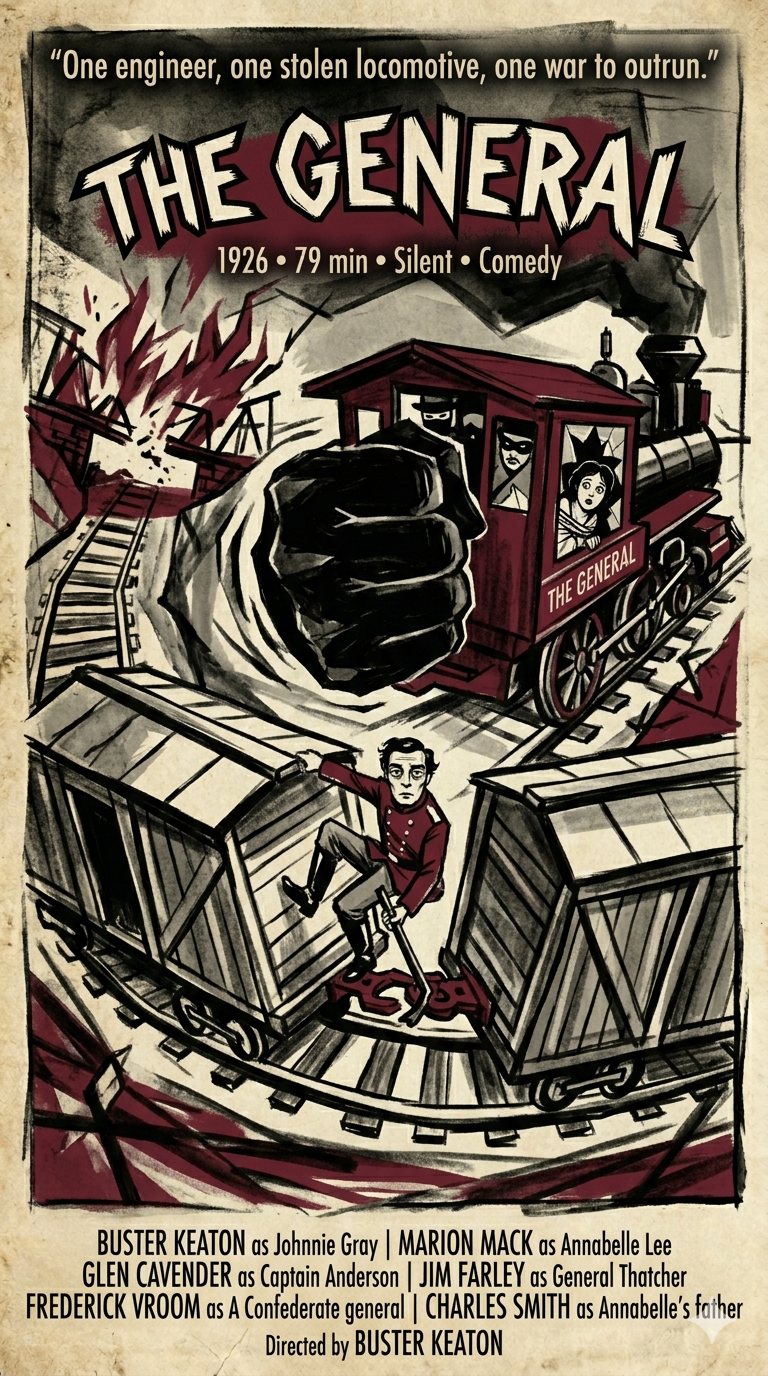 The General
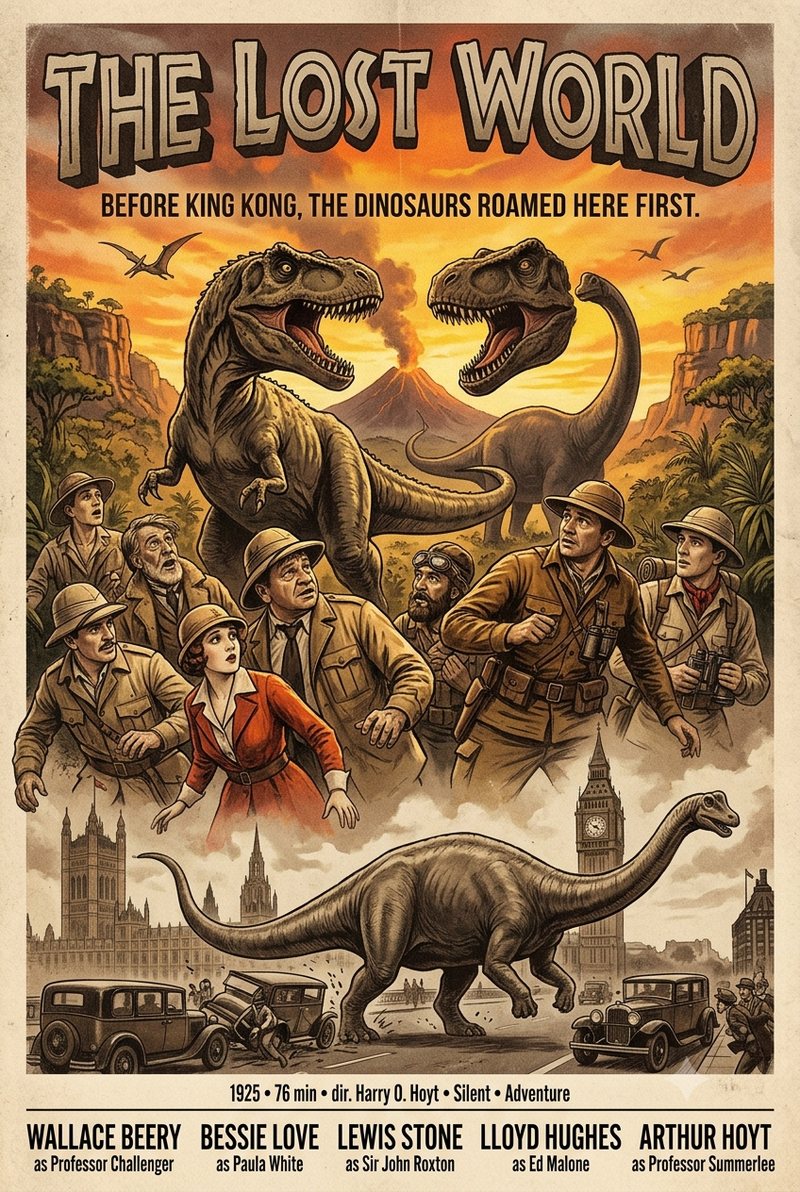 The Lost World
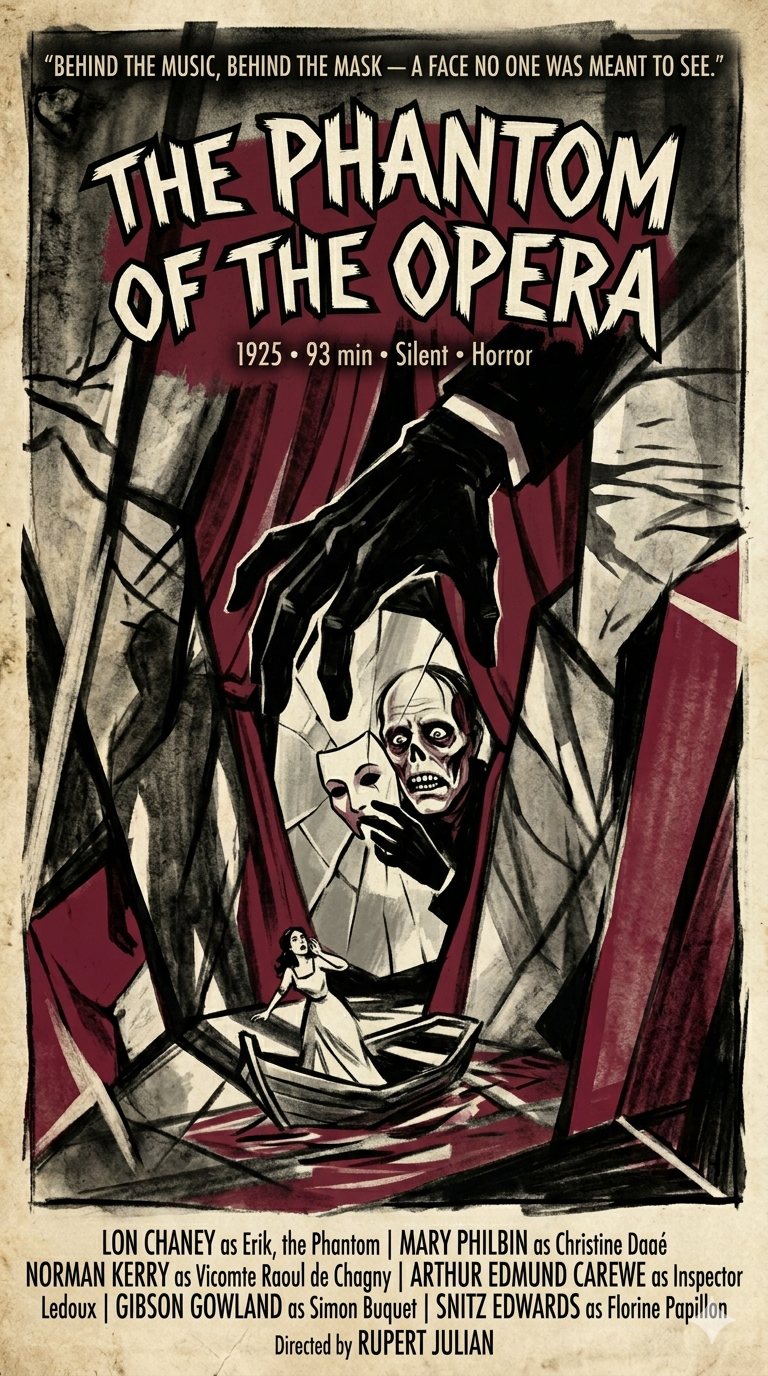 The Phantom of the Opera
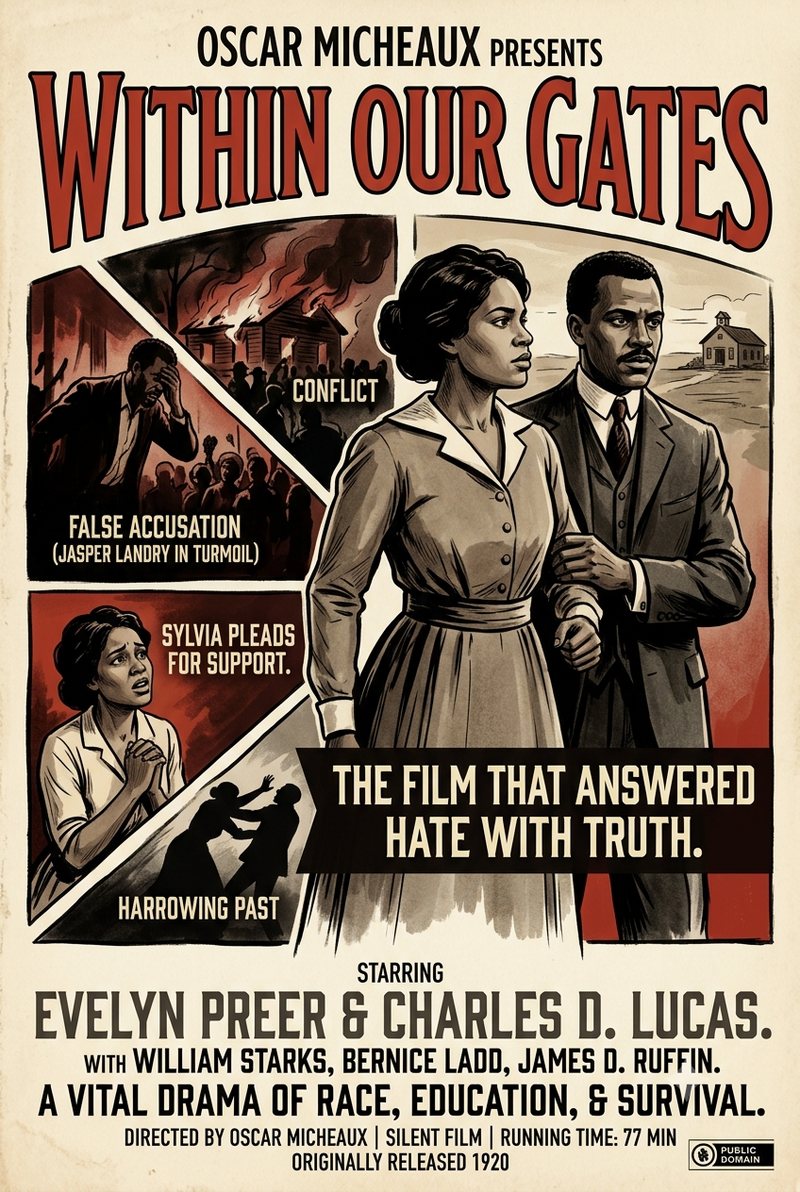 Within Our Gates