Penny Serenade (1941)
“Every record tells the story of their love.”
Streamed free from the Internet Archive · no signup, no cost — this film is in the public domain.
Synopsis
Told in flashback as Julie Adams plays a series of records that each mark a turning point in her life, Penny Serenade traces the courtship, marriage, and trials of Julie and Roger Adams. A whirlwind romance and a move to Japan give way to hardship when a tragedy ends Julie's pregnancy, and the couple turns to adoption. Director George Stevens balances warmth and heartbreak, letting small domestic moments, such as a first clumsy attempt at bathing a baby, carry as much weight as the film's larger sorrows. Cary Grant, in a rare fully dramatic role, earned his first Academy Award nomination for Best Actor, while Irene Dunne anchors the film with quiet strength.
Cast
About the Director
George Stevens — George Stevens, who would later make A Place in the Sun and Shane, considered Penny Serenade a turning point toward the emotionally serious work of his postwar career. He stages the film's grief with restraint, trusting the actors and the recurring music to do the work rather than underlining the sentiment.
Why It’s Free: The Public-Domain Story
Penny Serenade is in the public domain in the United States. Columbia Pictures did not renew the film's copyright during the required 28th-year window, so it entered the public domain in 1970.
Behind the Scenes
Produced and distributed by Columbia Pictures and released in April 1941, the film reunited Grant and Dunne after their success in The Awful Truth and My Favorite Wife. The screenplay by Morrie Ryskind was based on a story by Martha Cheavens.
Did You Know?
- Cary Grant received his first of two Academy Award nominations for Best Actor for his performance, including the emotional courtroom plea to keep the adopted child.
- The film is structured almost entirely as a flashback, with each chapter cued by Julie placing a phonograph record on the turntable.
- Grant and Irene Dunne made three films together, and Penny Serenade was their only outright drama among them.
Reception & Legacy
Contemporary reviewers praised the film as a tender, deeply affecting drama and singled out Grant for revealing a dramatic range audiences had not seen from him. It remains a touchstone of 1940s domestic melodrama and is frequently cited among Grant's finest performances.
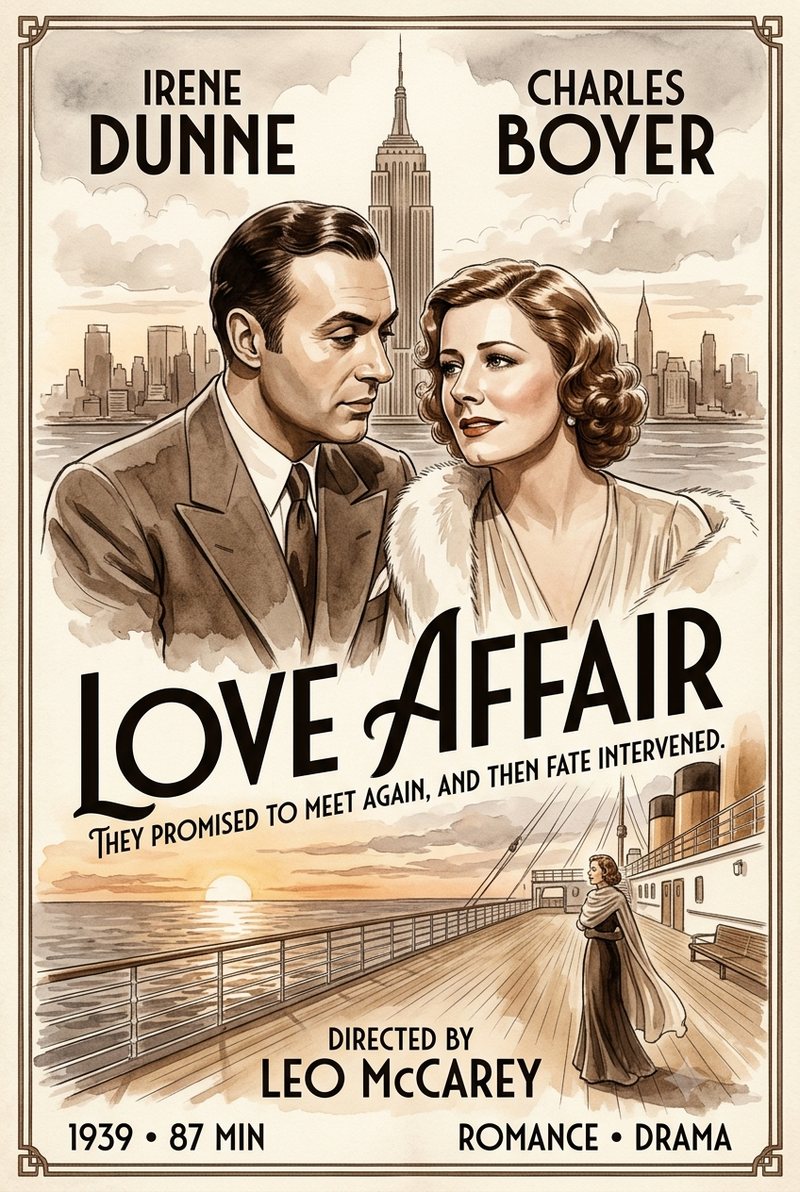 Love Affair
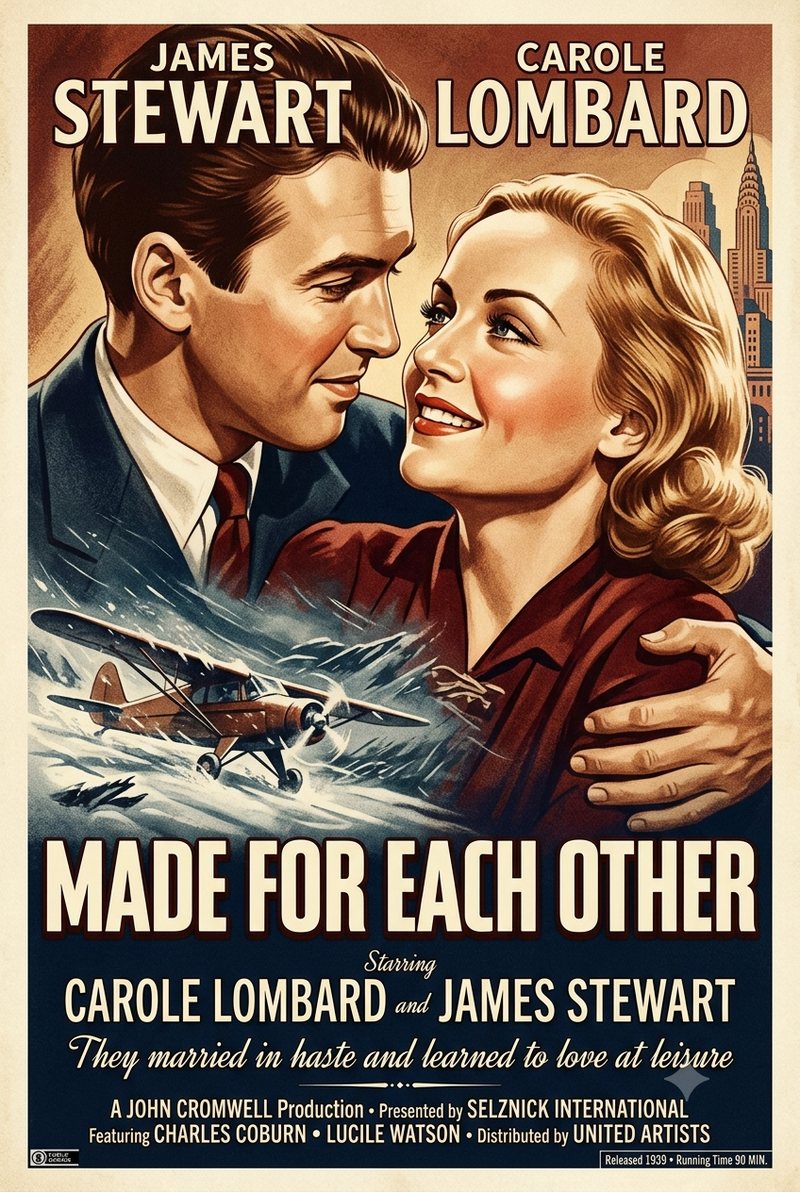 Made for Each Other
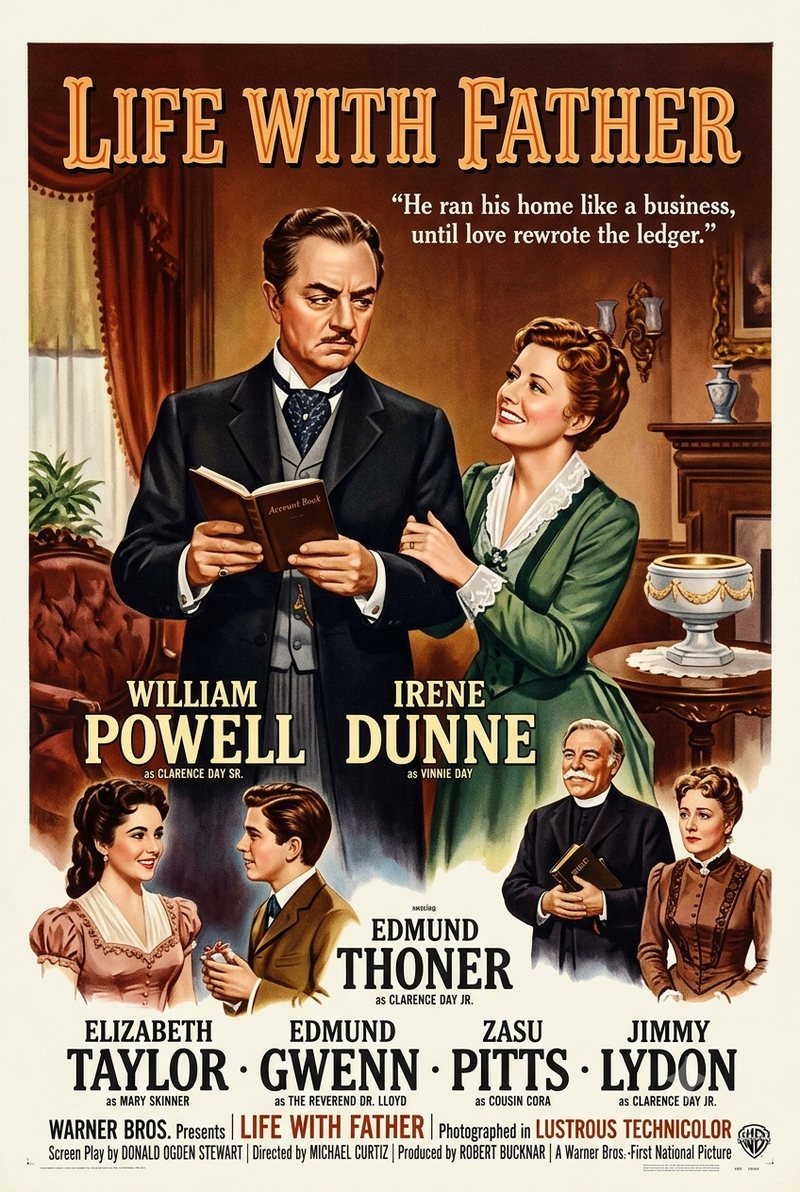 Life with Father
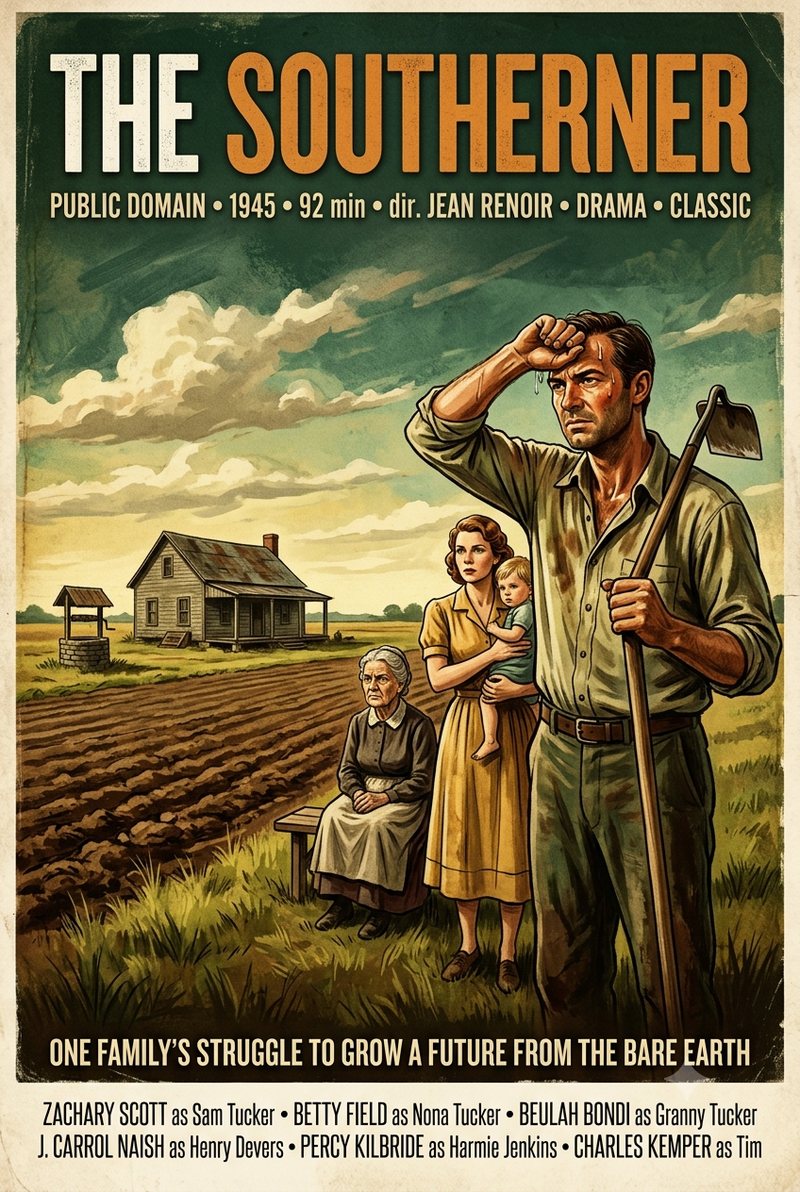 The Southerner