D.O.A. (1950)
“He has one day left to live — and he's going to spend it finding his own killer.”
Streamed free from the Internet Archive · no signup, no cost — this film is in the public domain.
Synopsis
Accountant Frank Bigelow walks into a police station to report a murder — his own. Told in flashback, the story follows Bigelow's solo trip to San Francisco, where a stranger slips a slow-acting luminous toxin into his drink at a jazz club, leaving him only days to live. With no antidote and nothing left to lose, he races across California to uncover who poisoned him and why, unraveling a web of fraud, stolen iridium, and murder — a trail that leads back to a single notarized document and the man who marked him for death.
Cast
About the Director
Rudolph Maté — Rudolph Maté (1898–1964) was a celebrated cinematographer — shooting classics such as 'Foreign Correspondent' and 'Gilda' — before he became a director. His photographic instincts are vividly on display in 'D.O.A.,' whose brooding lighting and atmospheric location work he shaped alongside cinematographer Ernest Laszlo, in one of his signature achievements behind the camera.
Why It’s Free: The Public-Domain Story
'D.O.A.' is in the public domain because, due to a filing error, its copyright was not renewed on time as the law of the period required. Without a valid renewal, the film's protection lapsed and it passed into the public domain — so completely that a later remake was able to copy it almost exactly.
Behind the Scenes
Leo C. Popkin produced 'D.O.A.' for his short-lived Cardinal Pictures, with United Artists distributing; it was released April 21, 1950. Producer Harry Popkin owned the Million Dollar Theater in downtown Los Angeles, directly across from the Bradbury Building — both of which feature in the film's location shooting. The score was composed by the prolific Dimitri Tiomkin, and the film marked the screen debut of Beverly Garland.
Did You Know?
- The film opens with one of cinema's most celebrated hooks: Bigelow reports a murder, and when asked who was killed, he answers, "I was."
- Edmond O'Brien's frantic run down San Francisco's Market Street was a "stolen shot," filmed without permits — real, confused pedestrians can be seen as he bumps into them.
- The Bradbury Building used in the climax was later made famous again as a key location in 'Blade Runner.'
- The premise has been remade repeatedly, including 'Color Me Dead' (1969) and the Dennis Quaid–led 'D.O.A.' (1988).
Reception & Legacy
Initial reviews were lukewarm, but critical esteem rose sharply over the decades. In 2004 the Library of Congress selected 'D.O.A.' for preservation in the National Film Registry as culturally, historically, or aesthetically significant, cementing its status as a film noir landmark.
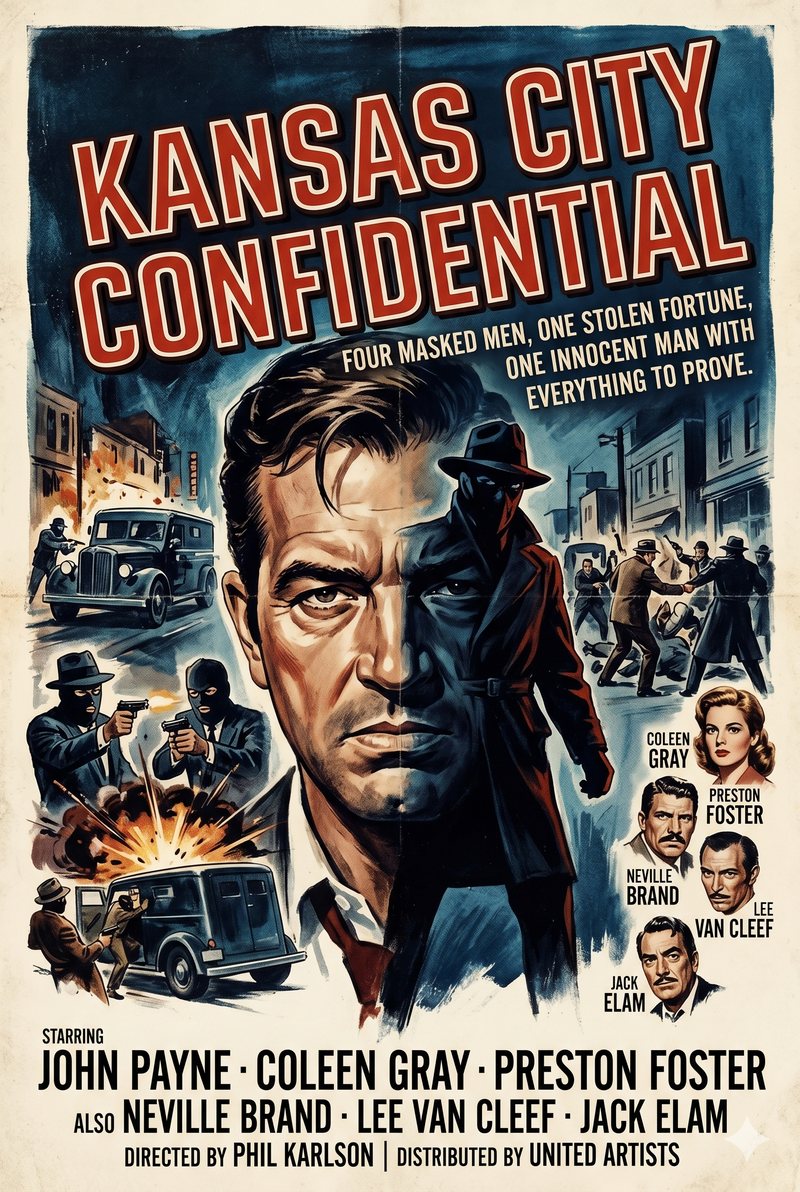 Kansas City Confidential
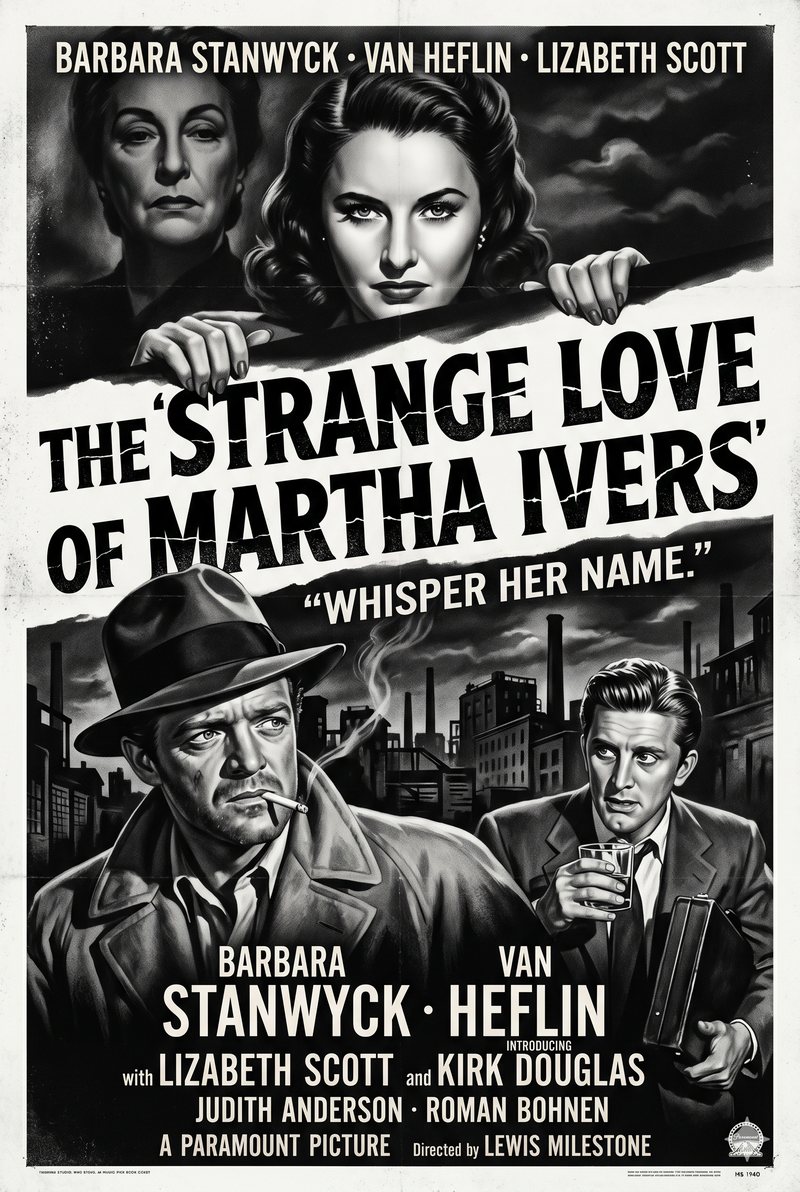 The Strange Love of Martha Ivers
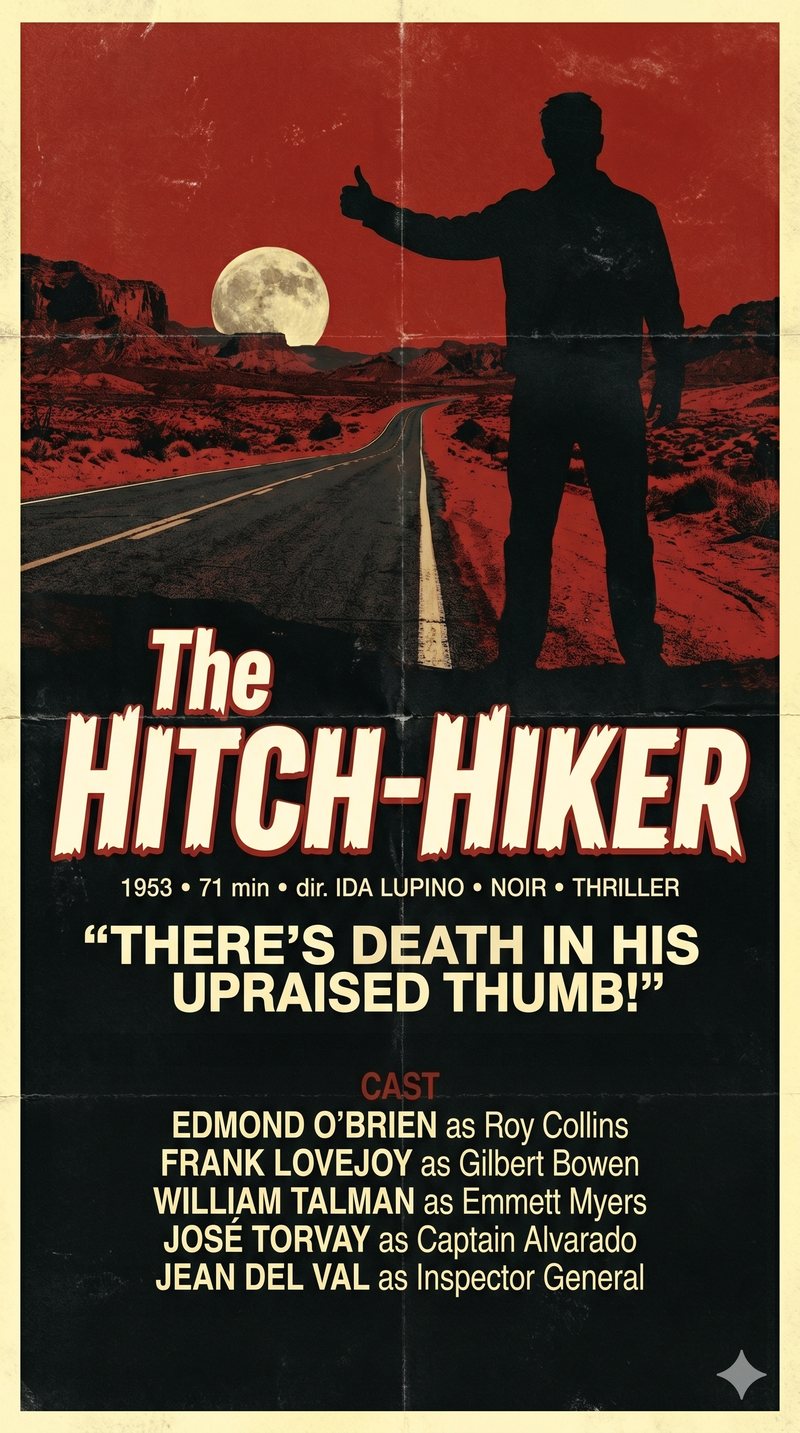 The Hitch-Hiker
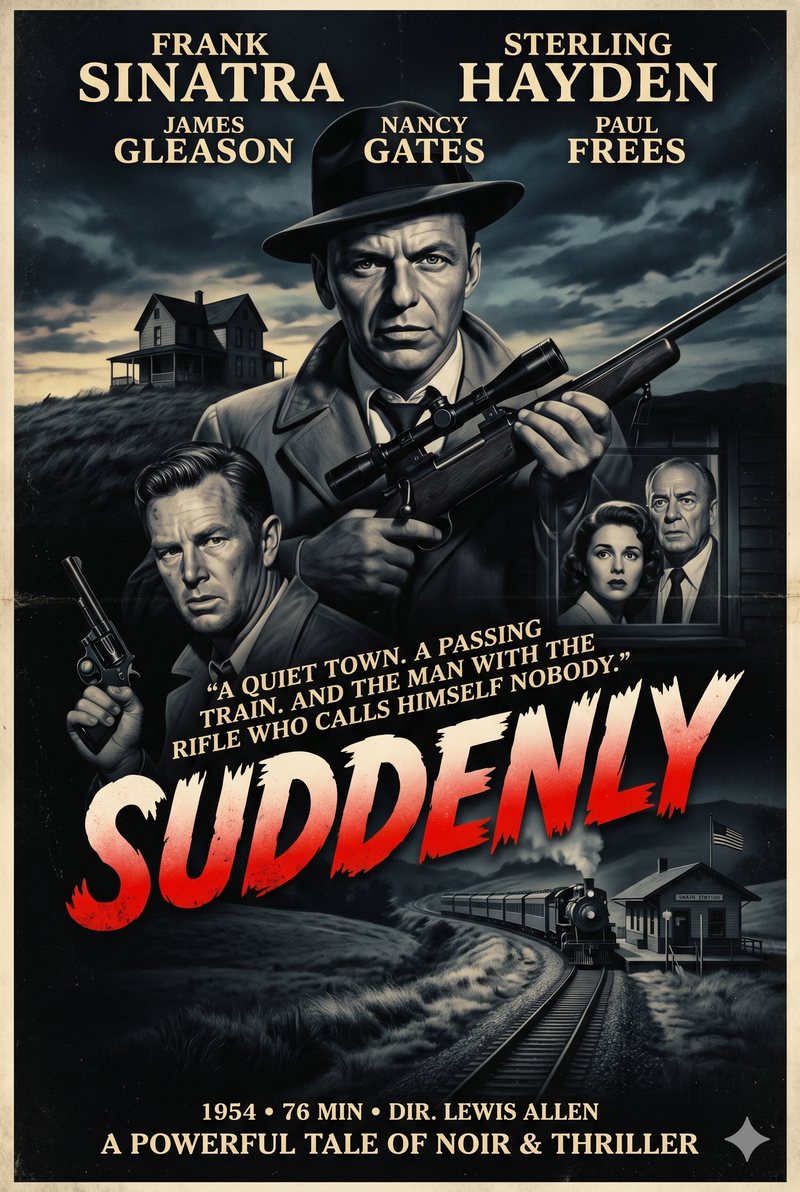 Suddenly