Days of Jesse James (1939)
“The James boys took the blame — but who took the money?”
Streamed free from the Internet Archive · no signup, no cost — this film is in the public domain.
Synopsis
A clever twist on the outlaw legend, Days of Jesse James sends insurance investigator Roy Rogers undercover into the James gang after a bank robbery. Roy soon realizes Jesse never had the bank's money — it was an inside job by the bank's own officers, who staged the heist and pinned it on the famous outlaws. With Gabby Hayes along for comic backup, Roy sets a trap to clear the gang and snare the true culprits. It's an early starring vehicle from Rogers's rapid rise as Republic's new singing cowboy.
Cast
About the Director
Joseph Kane — Joseph Kane, Republic's top Western director, guided Roy Rogers through many of his earliest hits with the same crisp, action-forward style he brought to Gene Autry's films. He keeps the unusual "sympathetic outlaw / corrupt banker" plot clear and quick. Kane's assured handling helped establish Rogers as a leading-man cowboy.
Why It’s Free: The Public-Domain Story
A Republic Pictures release whose copyright was not renewed after its initial 28-year term, the film lapsed into the public domain around 1967. Copyright/renewal records of the Republic library list it specifically as "no renewal."
Behind the Scenes
Released December 20, 1939, the film came as Roy Rogers was being groomed as Republic's answer to Gene Autry. It takes a revisionist angle on the Jesse James story — popular that year thanks to the big-budget 20th Century-Fox Jesse James (1939) — by making the bankers the villains. The widely seen print is the ~53-minute MCA-TV syndication version of the 63-minute original.
Did You Know?
- Released the same year as Fox's prestige hit Jesse James, which spurred a cycle of James-gang pictures.
- Don "Red" Barry, cast as Jesse, earned his nickname soon after from the 1940 serial Adventures of Red Ryder.
- Future B-Western fixture Glenn Strange appears among the supporting outlaws.
- The commonly circulating copy is the trimmed ~53-minute 1950s television print of the 63-minute original.
Reception & Legacy
The film is regarded as a brisk, better-than-average early Roy Rogers entry, with reviewers praising its inventive "frame-up" plot and Gabby Hayes's comic relief. It helped solidify Rogers's standing as a top singing-cowboy draw. Western fans note it as a solid example of Republic's late-1930s output.
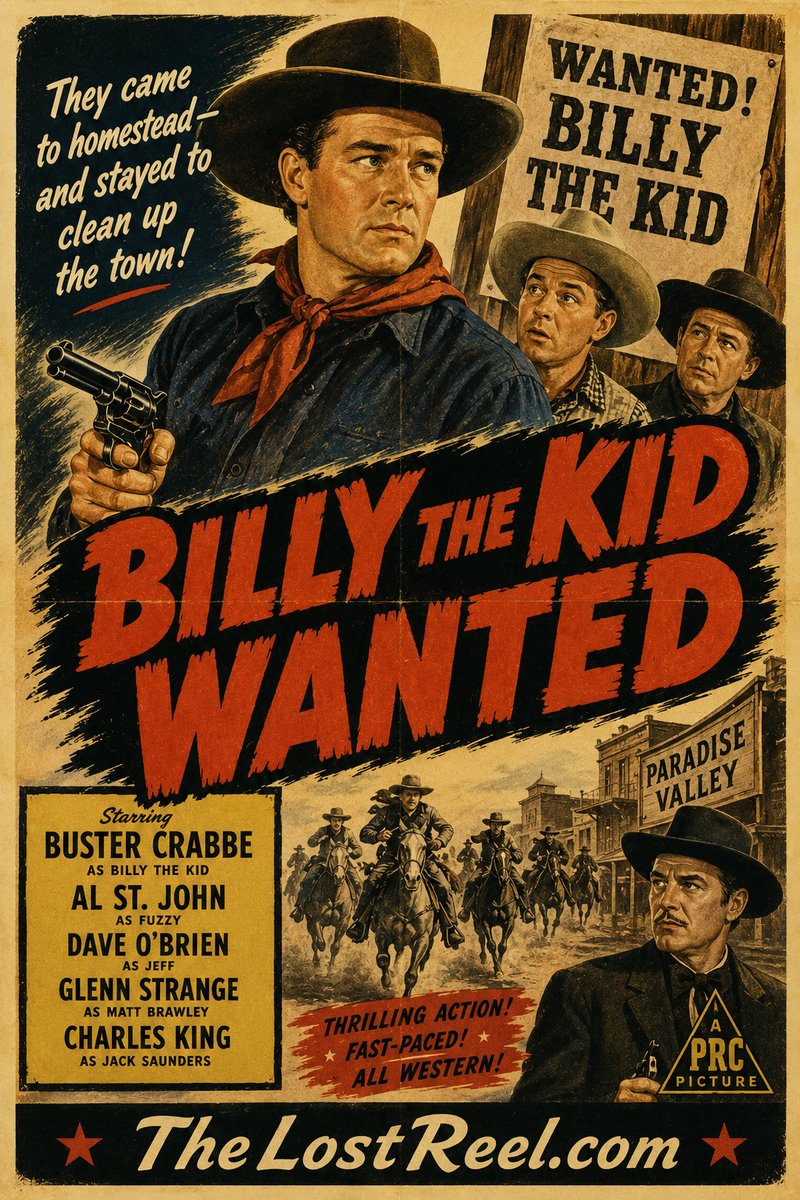 Billy the Kid Wanted
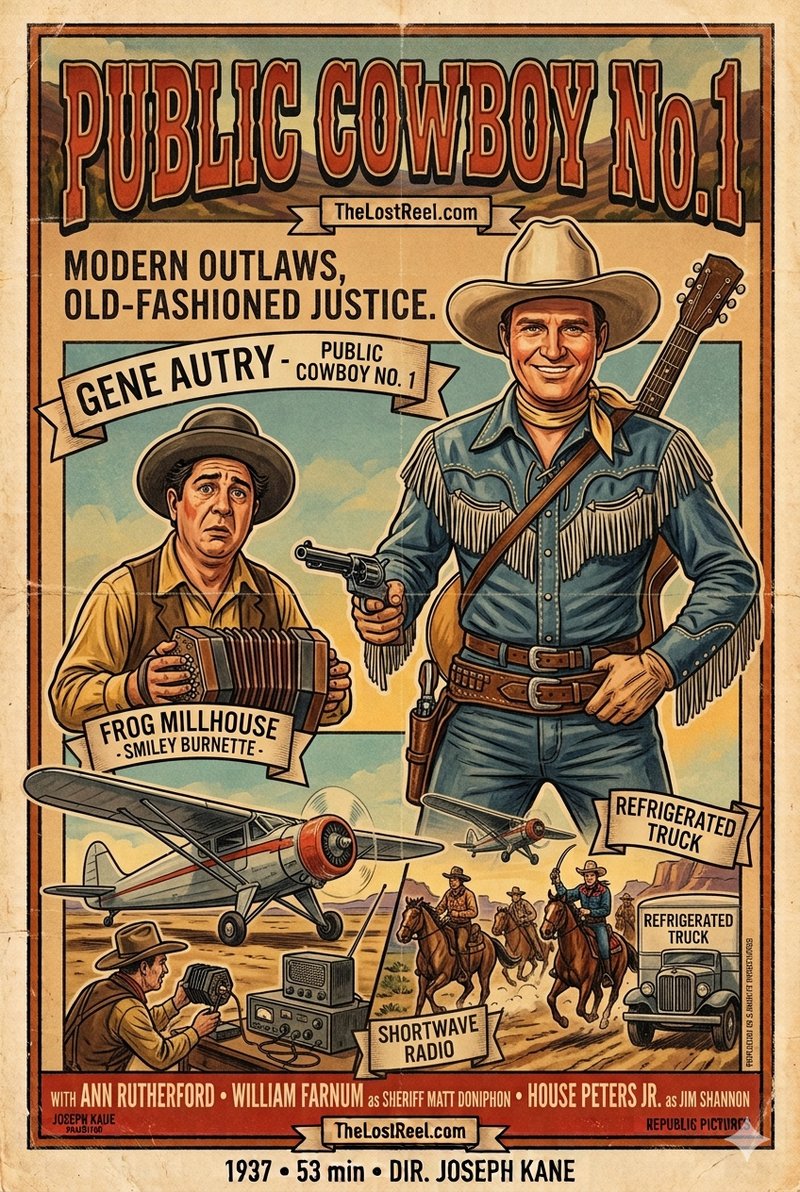 Public Cowboy No. 1
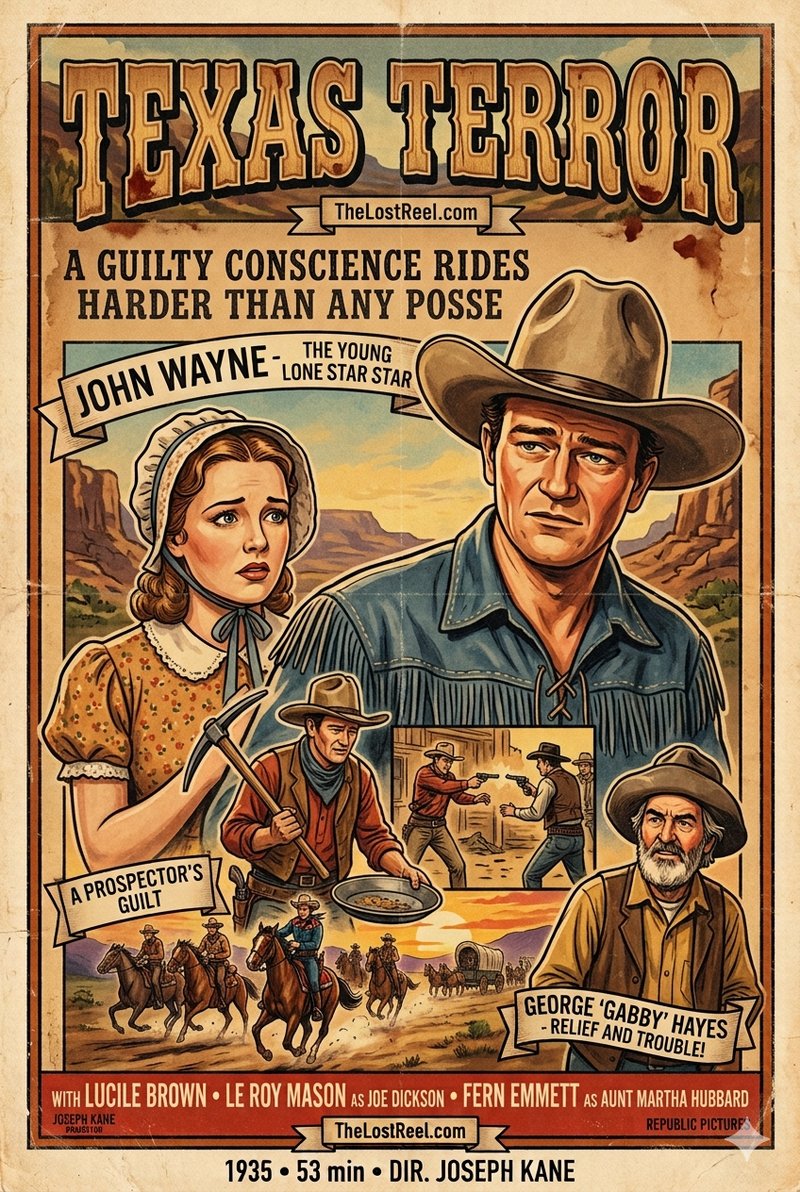 Texas Terror
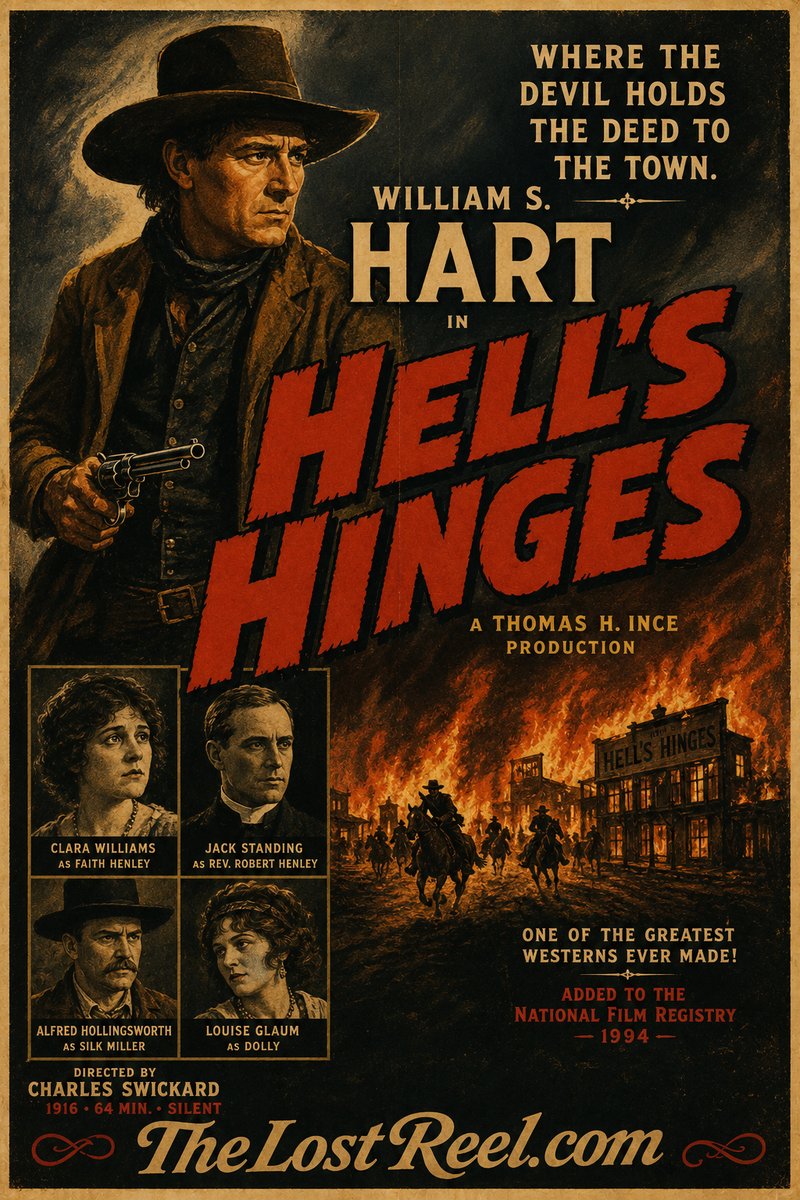 Hell's Hinges