Blood on the Sun (1945)
“One reporter against an empire's deadliest secret.”
Streamed free from the Internet Archive · no signup, no cost — this film is in the public domain.
Synopsis
Nick Condon is a hard-nosed American editor working at an English-language paper in Tokyo during the tense years before the war. When he publishes a story exposing a secret Japanese plan for global domination, known as the Tanaka Memorial, he draws the attention of the secret police and finds his life in danger. Allies turn up dead, and Condon must decide who he can trust, including a mysterious woman with murky loyalties. James Cagney throws himself into the action with bruising physicality, including hand-to-hand combat staged with real judo. The result is a punchy wartime thriller wrapped around a chase for one explosive document.
Cast
About the Director
Frank Lloyd — Frank Lloyd was a veteran of Hollywood's first generation, a two-time Academy Award winning director whose credits included Mutiny on the Bounty and Cavalcade. By 1945 his style was assured and classical, and he brought that craftsmanship to this independent production for the Cagney brothers' company. Lloyd shaped the material into a taut propaganda-tinged thriller, balancing romance, intrigue, and brawling action with a steady professional hand.
Why It’s Free: The Public-Domain Story
Blood on the Sun is in the United States public domain because its copyright was not renewed. The original registration lapsed when no renewal was filed during the required period, and the film entered the public domain in 1973.
Behind the Scenes
The film was produced by William Cagney Productions, the independent company run by star James Cagney and his brother, and released through United Artists, giving Cagney unusual control over the project. He trained in judo for the picture and performed much of his own on-screen fighting, lending authenticity to the combat scenes. The story builds its plot around the Tanaka Memorial, a document of disputed authenticity that was widely circulated during the war as evidence of Japanese expansionist ambitions.
Did You Know?
- The film won the 1945 Academy Award for Best Art Direction in a black-and-white picture.
- James Cagney was an avid judo practitioner and did much of his own on-screen fighting.
- The plot turns on the Tanaka Memorial, a real document widely circulated during the war.
- The picture was an independent production controlled by Cagney's own company rather than a major studio.
Reception & Legacy
Audiences in 1945 responded to the film's wartime urgency and Cagney's trademark intensity, and its art direction earned an Oscar that year. While later critics regarded the politics as a product of its moment, the picture endures as a brisk, well-mounted thriller and a showcase for Cagney's physical commitment. Its public-domain status has kept it widely available and continually rediscovered.
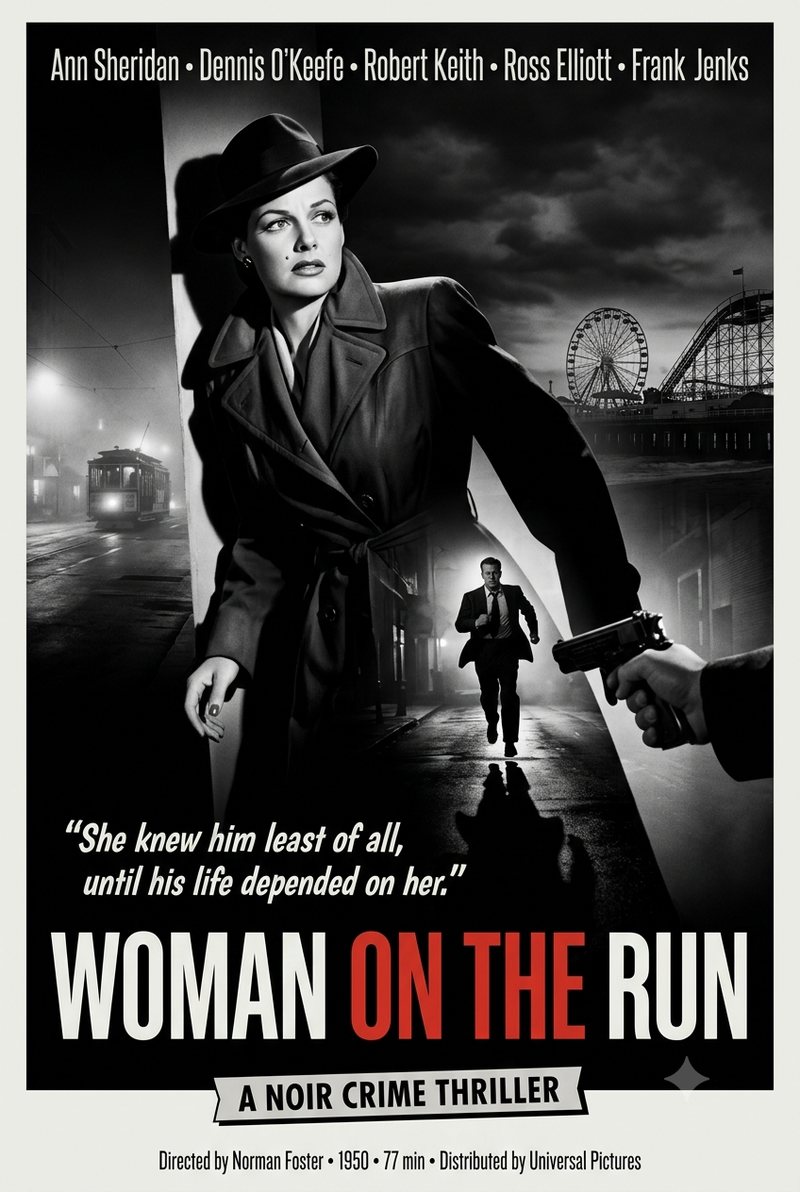 Woman on the Run
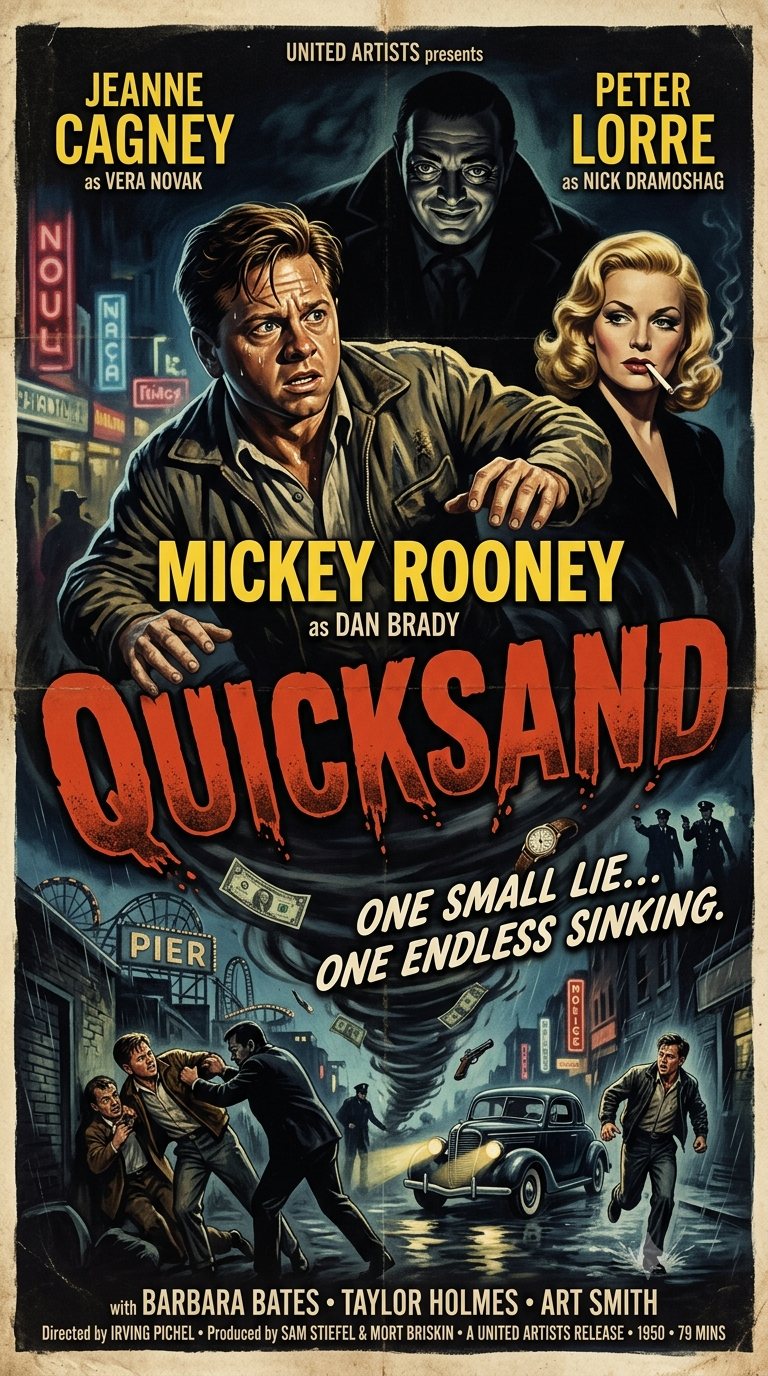 Quicksand
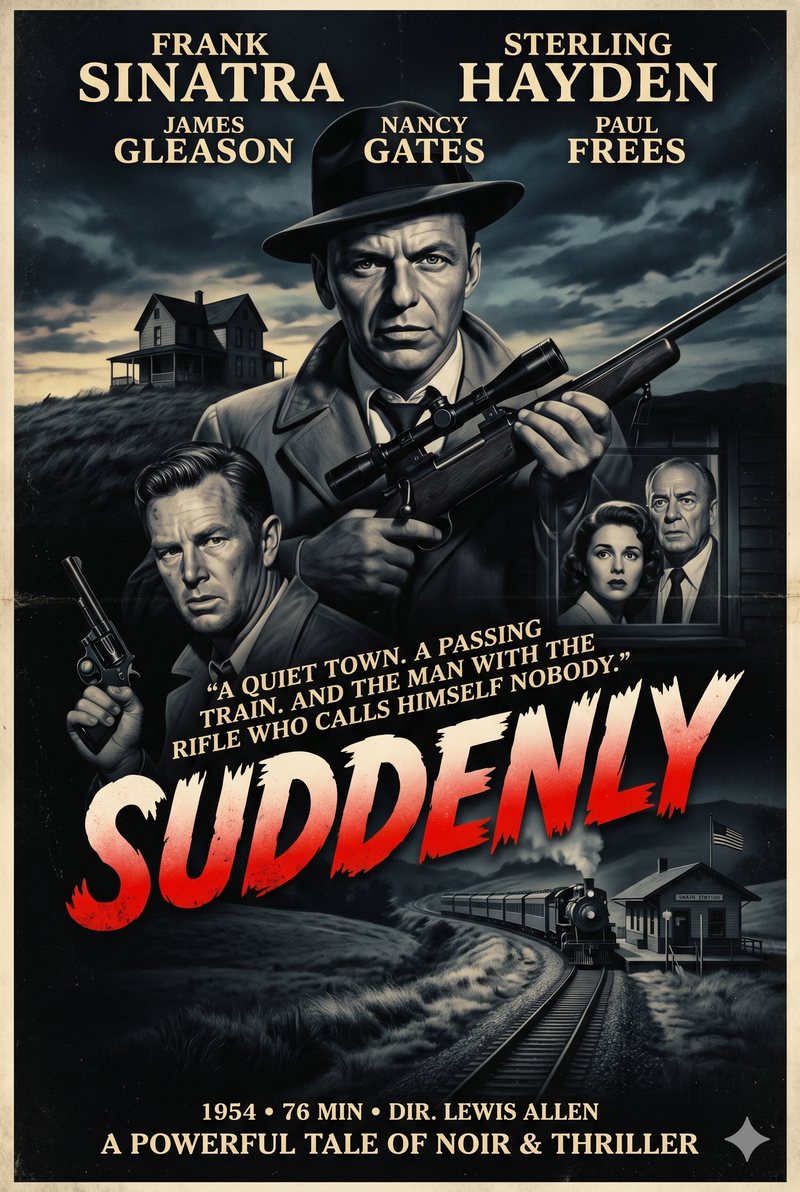 Suddenly
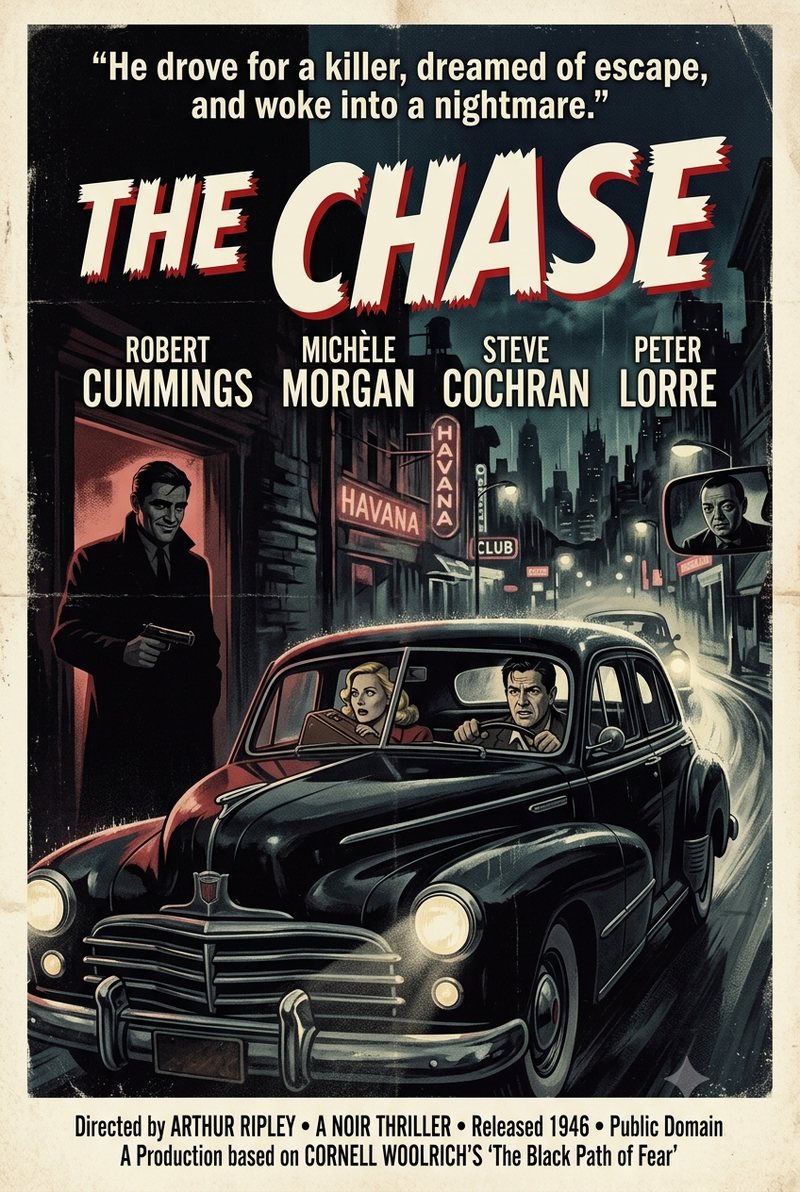 The Chase