Becky Sharp (1935)
“She had nothing but her wits. It was enough.”
Streamed free from the Internet Archive · no signup, no cost — this film is in the public domain.
Synopsis
Becky Sharp is a clever, ruthless young woman of low birth who is determined to claw her way into the upper reaches of English society by any means available. Setting out from school alongside her gentle, well-born friend Amelia Sedley, Becky charms, manipulates, and seduces her way through a world of aristocrats, soldiers, and fortunes, with the Battle of Waterloo looming as a turning point in all their fates. As her ambitions carry her higher, the cost of her scheming mounts for everyone around her. Miriam Hopkins, in an Oscar-nominated turn, gives Becky a brittle, magnetic charisma. The film is a landmark of cinema technology, the first feature ever photographed throughout in full three-strip Technicolor.
Cast
About the Director
Rouben Mamoulian — Rouben Mamoulian, the inventive Armenian-American director behind Applause and the Fredric March Dr. Jekyll and Mr. Hyde, was a natural choice to pioneer a new color medium, having already pushed the boundaries of sound and camera movement. He took over the production after the original director fell ill, and he approached Technicolor not as decoration but as dramatic language, orchestrating costumes, sets, and lighting so that color itself carried emotional weight. His famous use of red in the Waterloo ball sequence remains a textbook example of expressive color design.
Why It’s Free: The Public-Domain Story
Becky Sharp is in the public domain in the United States because its copyright was not renewed. The film's original copyright was required to be renewed after its initial 28-year term to stay in force, and no such renewal was filed. With the renewal lapsed, the picture entered the public domain and is freely available.
Behind the Scenes
Produced by Pioneer Pictures and released through RKO, the film was conceived expressly as a showcase for the new three-strip Technicolor process, which for the first time captured the full spectrum rather than the limited two-color palette of earlier efforts. Its screenplay derived from Langdon Mitchell's stage play, itself adapted from William Makepeace Thackeray's sprawling 1848 novel Vanity Fair. When original director Lowell Sherman died during production, Mamoulian was brought in to reshoot the film, reshaping it into a deliberate demonstration of color's storytelling power.
Did You Know?
- It was the first feature film shot entirely in three-strip Technicolor.
- Miriam Hopkins earned the only Academy Award nomination of her career for the title role.
- The story comes from Thackeray's novel Vanity Fair, by way of Langdon Mitchell's stage adaptation.
- It was added to the National Film Registry by the Library of Congress in 2019.
Reception & Legacy
Contemporary reviews were mixed on the drama itself but united in awe of its color, recognizing the film as a watershed in motion-picture technology. Hopkins drew strong notices and an Oscar nomination, even as some critics found the staging stiff. Today the film is valued above all as a historic milestone, the work that proved full-color feature filmmaking was viable, and in 2019 it was inducted into the National Film Registry as a culturally and historically significant work.
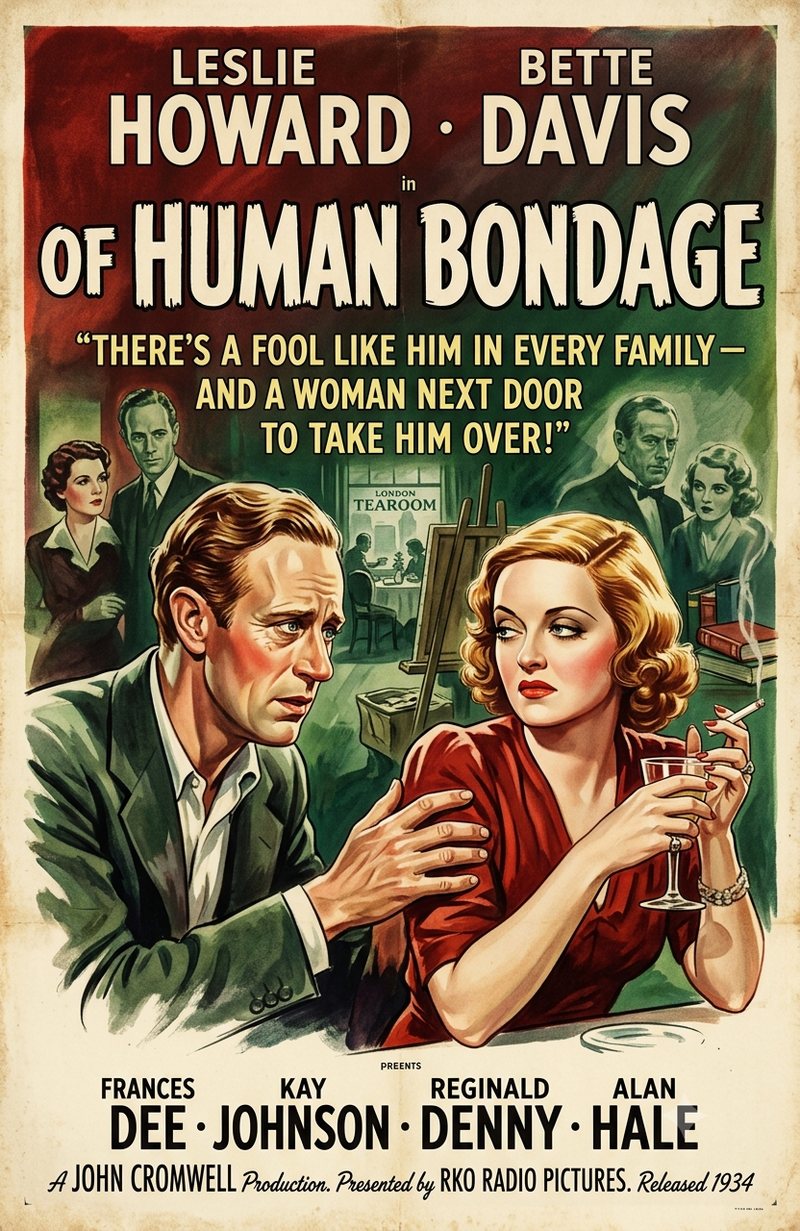 Of Human Bondage
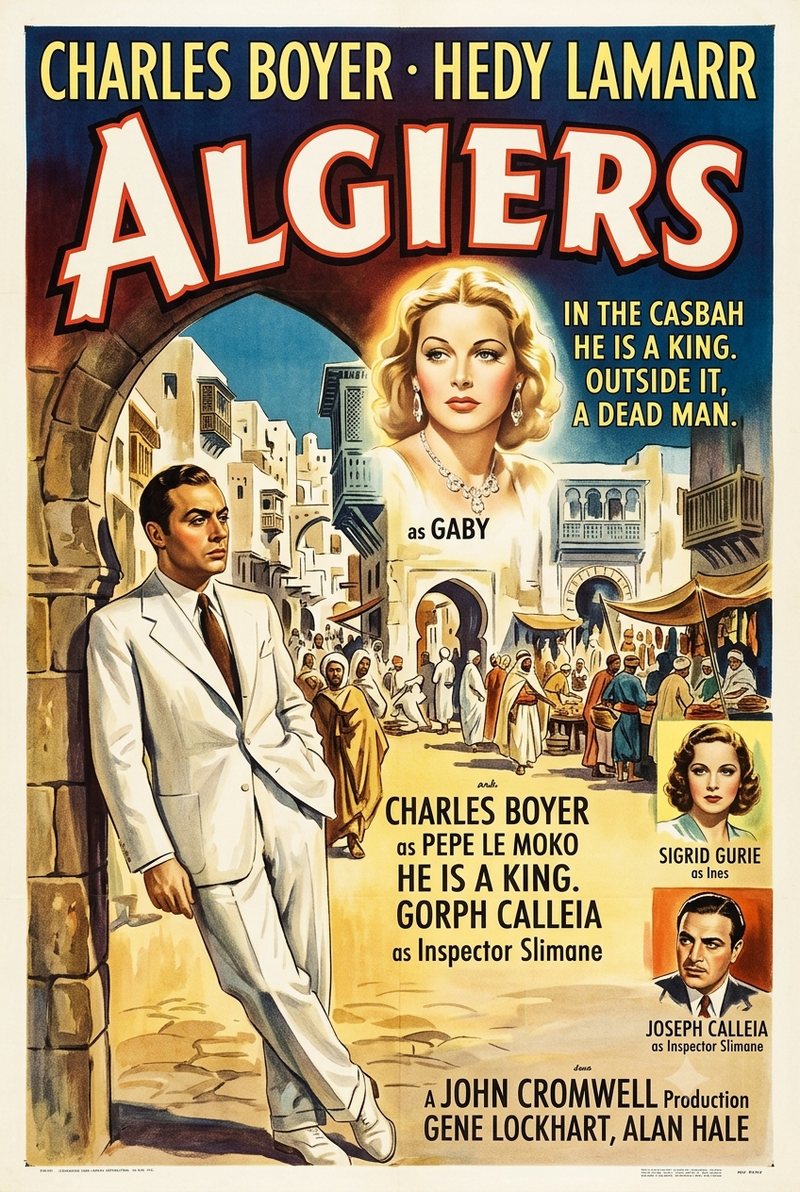 Algiers
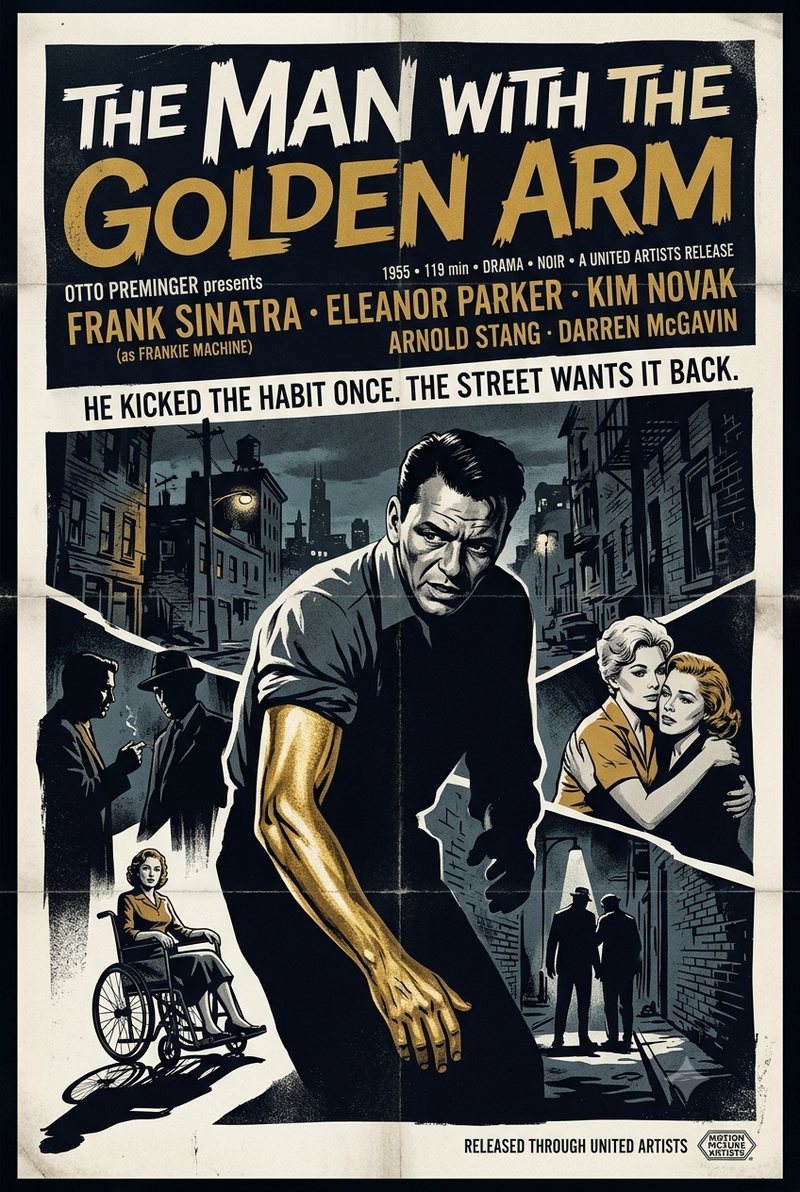 The Man with the Golden Arm
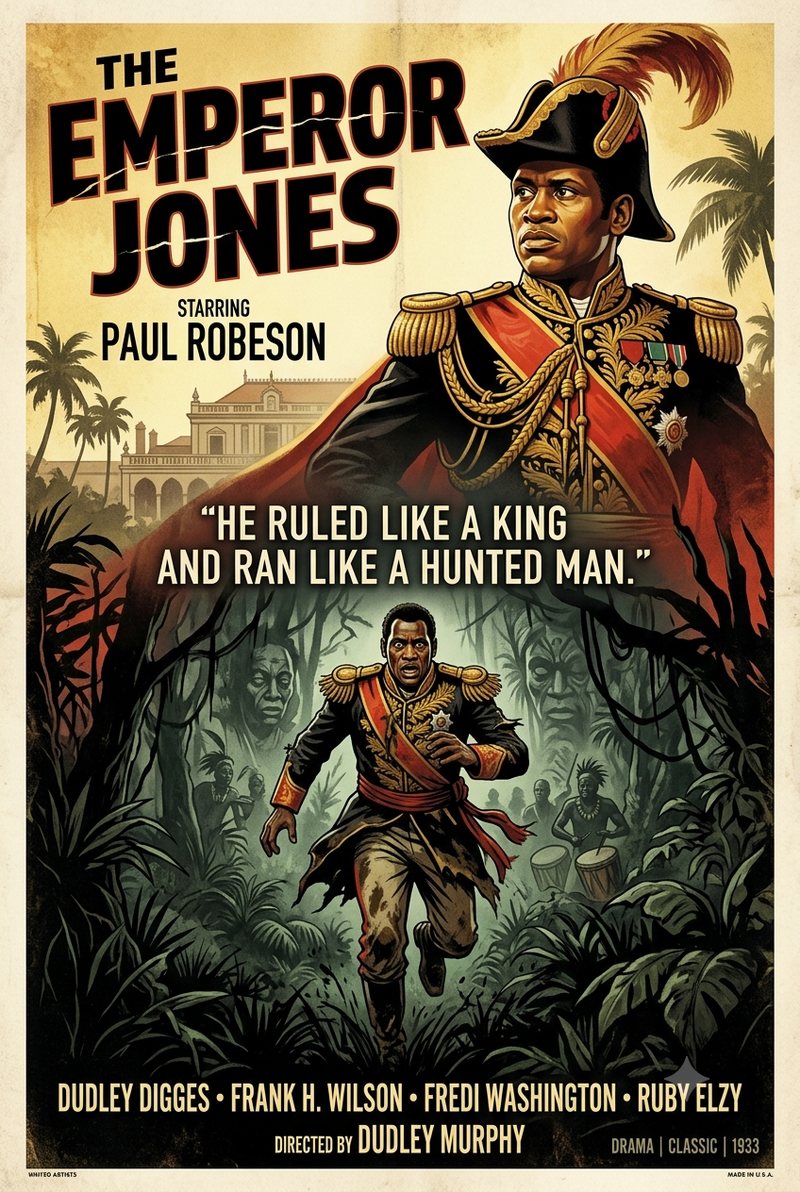 The Emperor Jones