Beat the Devil (1953)
“A boatload of crooks, a beautiful liar, and a fortune nobody can quite grab.”
Streamed free from the Internet Archive · no signup, no cost — this film is in the public domain.
Synopsis
Down-on-his-luck American Billy Dannreuther is reluctantly fronting for a quartet of shady "businessmen" scheming to grab uranium-rich land in British East Africa, all of them marooned in a small Italian port waiting for a ship. Their plans unravel when a prim English couple arrives — the wife a compulsive fantasist whose tall tales convince the crooks they are rivals after the same prize. Romantic entanglements, a near-shipwreck, and an absurd brush with authorities follow as the swindle spirals into farce.
Cast
About the Director
John Huston — John Huston was one of Hollywood's towering writer-directors, an Oscar winner responsible for 'The Maltese Falcon,' 'The Treasure of the Sierra Madre,' and 'The African Queen.' He conceived 'Beat the Devil' as a deliberate parody of his own Bogart hit 'The Maltese Falcon,' famously co-writing the screenplay with Truman Capote on a day-to-day basis as filming proceeded — an improvised approach that gave the film its loose, anarchic tone.
Why It’s Free: The Public-Domain Story
'Beat the Devil' is in the public domain because its US copyright was never renewed; authoritative sources note its copyright simply lapsed. (Only the separately restored 2016 Sony 4K version carries a new, distinct copyright.)
Behind the Scenes
Financed by the British Woolf brothers and Bogart's own Santana Pictures, the film was shot largely at Ravello above Italy's Amalfi Coast. The production was chaotic: Capote wrote pages just days ahead of shooting, Bogart lost several teeth in a car accident — prompting a young Peter Sellers to dub some of his lines — and a teenaged Stephen Sondheim worked as a clapper boy. It premiered in London in November 1953.
Did You Know?
- Truman Capote co-wrote the screenplay on the fly, working just two or three days ahead of the camera.
- Peter Sellers, then unknown, dubbed some of Bogart's dialogue after Bogart's car-accident dental injuries.
- Bogart, who financed much of the film himself and lost money on it, reportedly disliked the result.
- It has been described as the first "camp" film, and inspired Len Deighton's novel 'The IPCRESS File.'
Reception & Legacy
Reviews at release were mixed-to-cool and the film flopped commercially, but over time it was reappraised as a cult classic and an early landmark of camp — Roger Ebert later inducted it into his "Great Movies" canon. Its public-domain ubiquity kept it alive for generations until Sony's 2016 4K restoration presented it in pristine form.
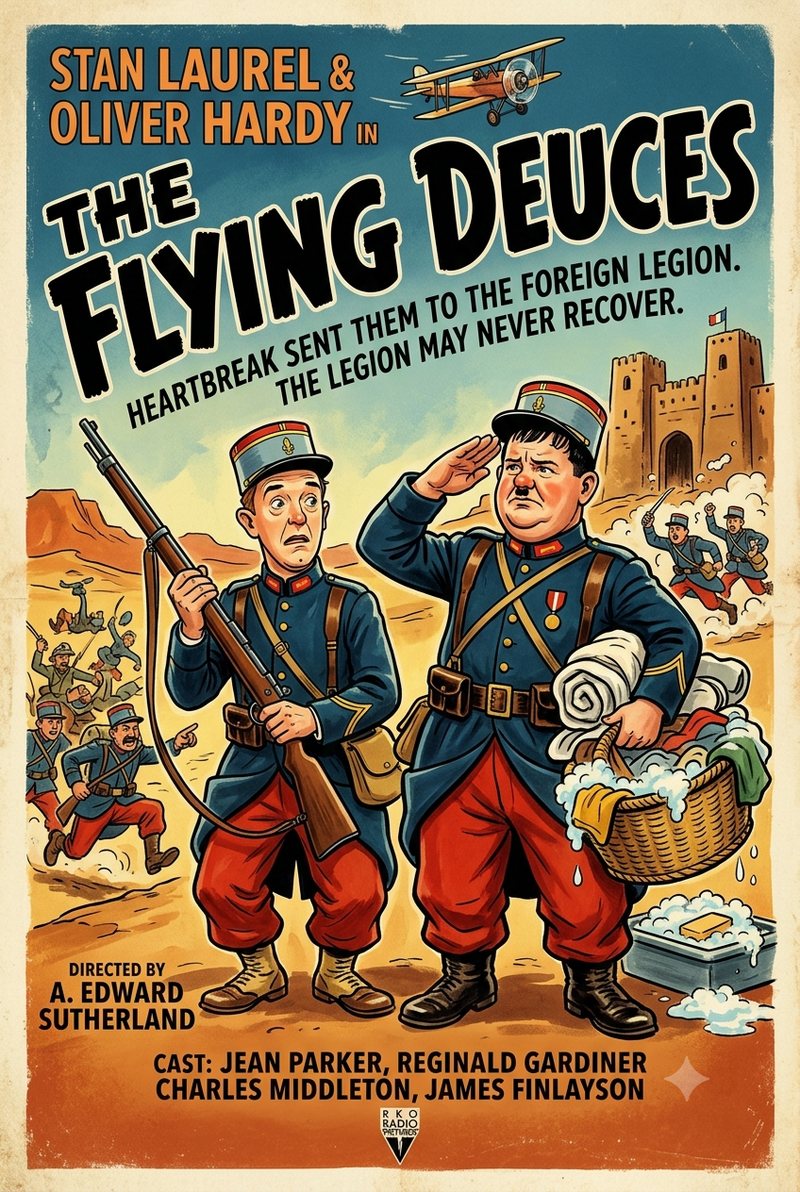 The Flying Deuces
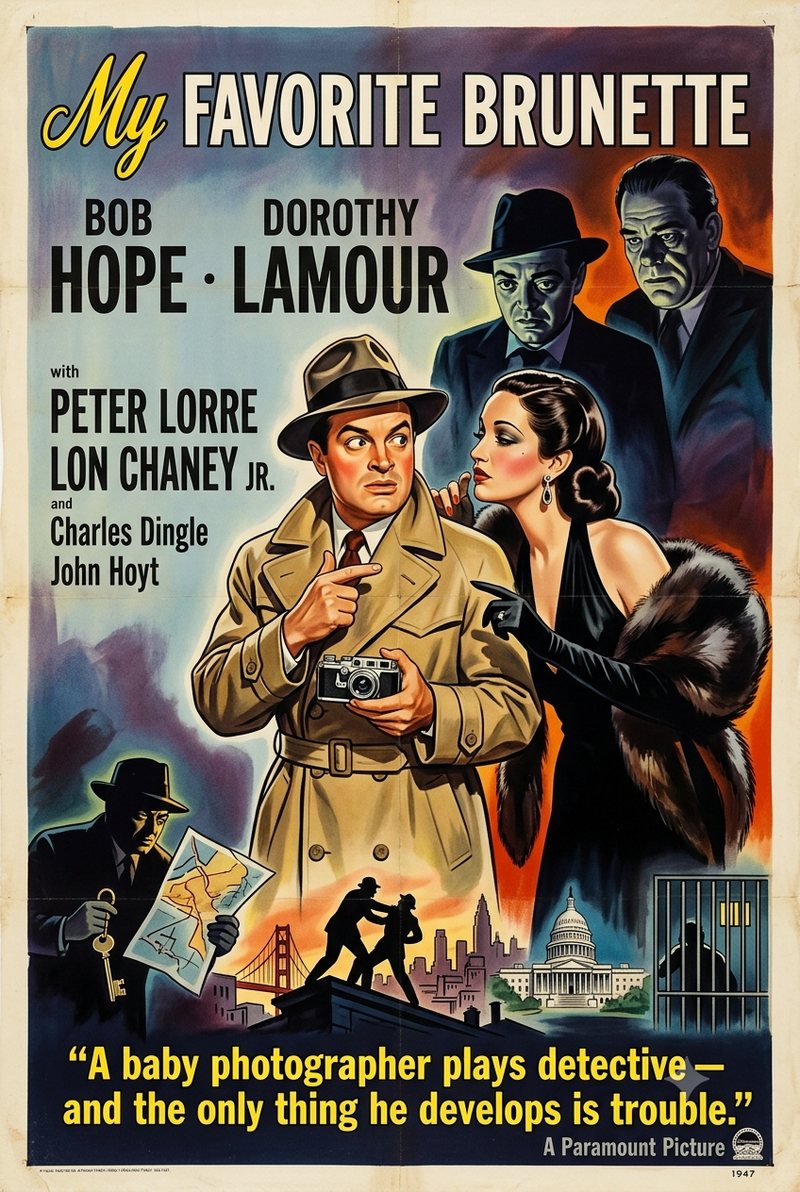 My Favorite Brunette
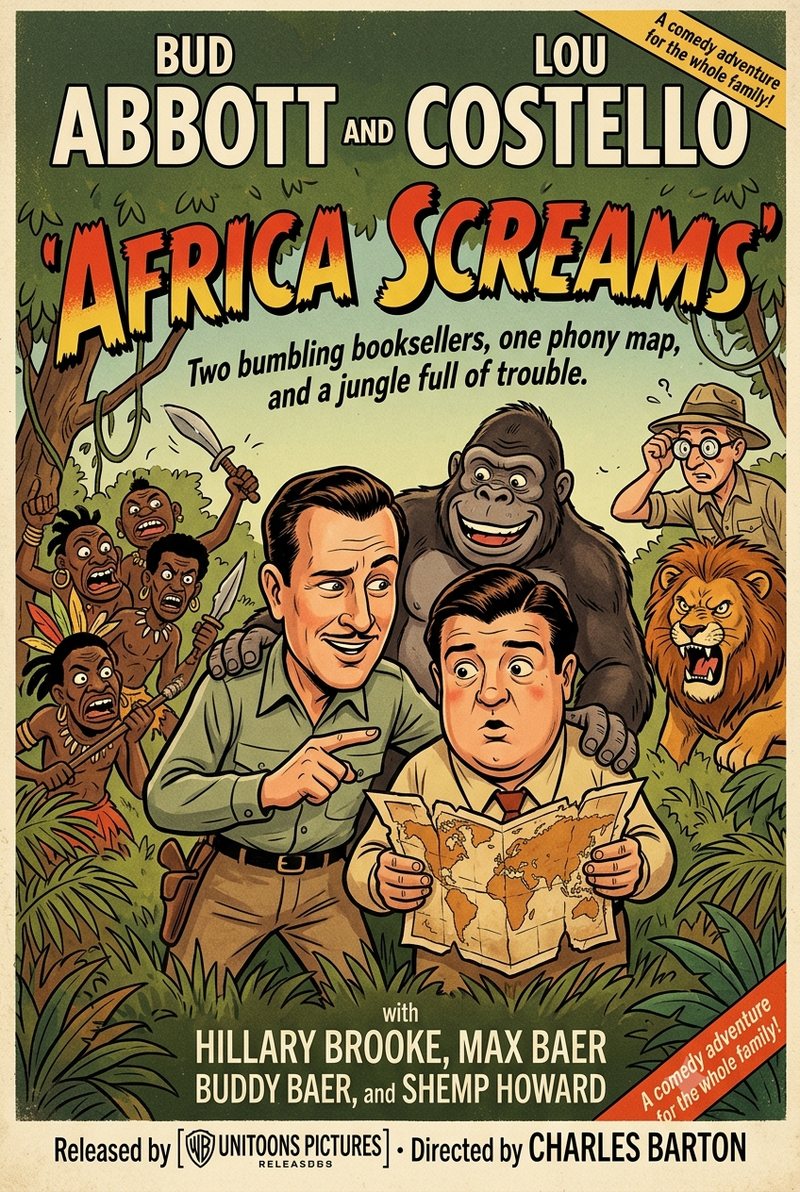 Africa Screams
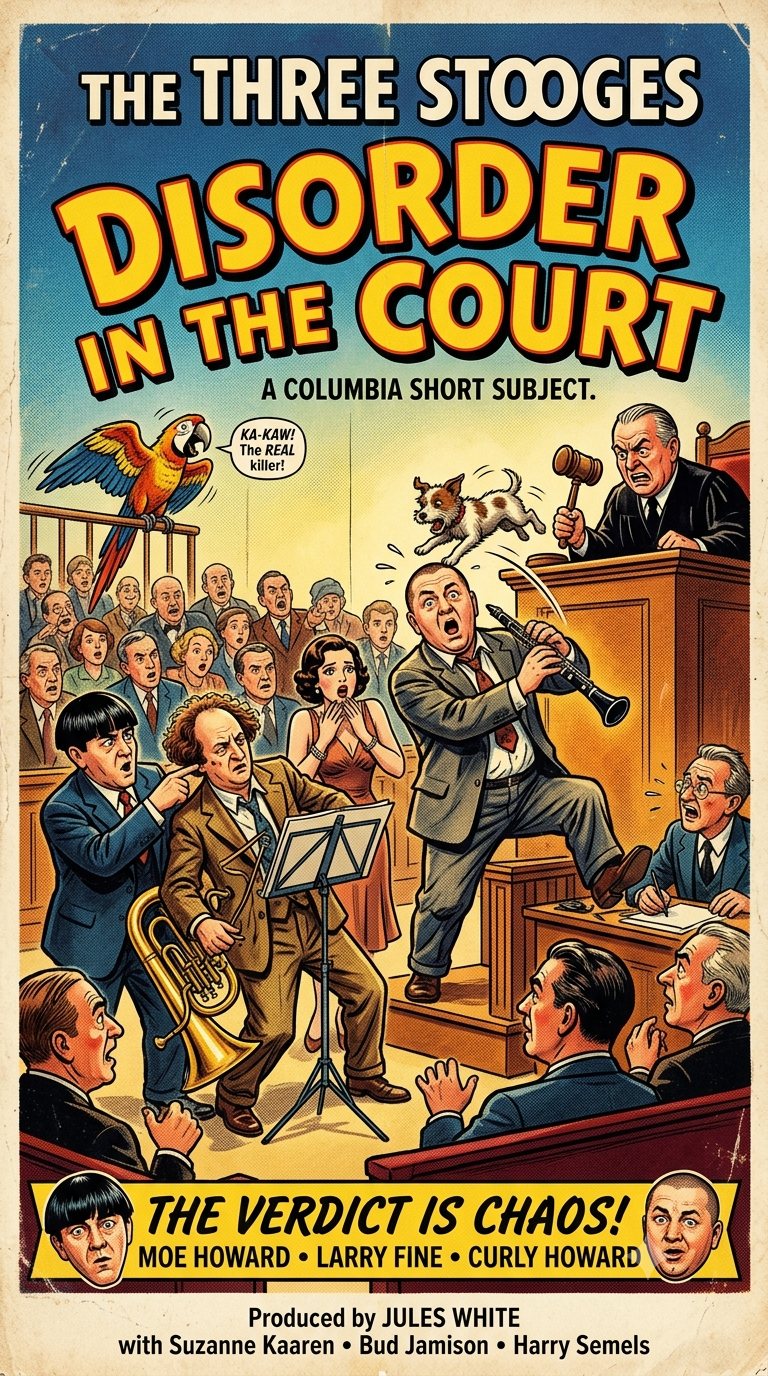 Disorder in the Court